




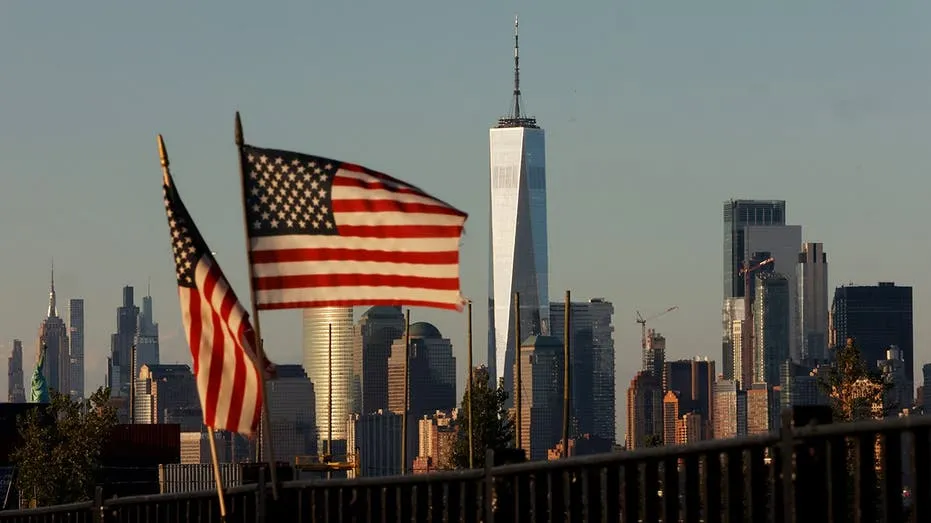
As the United States approaches its 250th birthday, the head of the 9/11 Memorial and Museum is drawing a poignant connection between the nation’s upcoming anniversary and the enduring legacy of the September 11, 2001, terrorist attacks. Elizabeth L. Hillman, President and CEO of the 9/11 Memorial and Museum, emphasized that this year’s dual milestones underscore the nation’s historical journey and its remarkable capacity for resilience.
A Nation’s History Intertwined
Hillman noted the unique convergence of America’s 250th anniversary and the 25th anniversary of 9/11. “This year, America’s 250th birthday coincides with the 25th anniversary of 9/11, which means that what’s happening at our site is very much connected to the history of the country and to the recognition of this important milestone,” she explained. “9/11 is an important part of our nation’s history, but especially now as the nation turns 250.” The horrific attacks, which claimed the lives of nearly 3,000 people, saw hijacked planes strike the World Trade Center in New York City, the Pentagon near Washington, D.C., and a field in Shanksville, Pennsylvania.
The CEO stressed the critical importance of educating future generations about the 9/11 attacks, highlighting how they have shaped the nation and influenced its current trajectory. “Now, 25 years have passed since that date, so if we don’t elevate 9/11 in the eyes of the 100 million Americans who were born since or were too young to remember 9/11 when it happened, we’ll lose the opportunity for them to understand what happened on that day and how the world came to heal, how the nation came together, and how this city and the other sites, the Pentagon and Shanksville, Pennsylvania, worked to recover afterward,” Hillman stated.
Lessons in Resilience and Recovery
Hillman pointed to the nation’s recovery following 9/11 as a powerful testament to the human spirit’s ability to unite, heal, and rebuild even after profound tragedy. “I think everyone’s hungry for evidence that we can survive things that are difficult,” she remarked. “There’s nothing like 9/11 to help people realize, given how the nation has recovered since, that it is possible to persevere, to heal, to recover, even in the face of really unfathomable loss, and that’s what 9/11 has the chance to teach us.”
Reflecting on the museum’s mission, Hillman described the 9/11 terrorist attacks as an event that reverberated far beyond New York City, impacting the entire country. She characterized the museum as a powerful symbol of the city’s resilience and the collective perseverance that facilitated rebuilding. “At the center of the rebuilt World Trade Center is a monument to the people who were killed that day and a testimony, really, to what we can do when we come together after that kind of catastrophe,” she added.
“Our Flag Was Still There” Exhibition
This year, the museum unveiled “Our Flag Was Still There,” a new exhibition designed to showcase stories of resilience through artifacts, flags, and photographs. The exhibit highlights the experiences of first responders, veterans, and ordinary Americans who lived through the attacks. Featured items include the iconic Ground Zero flag raised by FDNY firefighters, a flag placed at the Pentagon by soldiers and firefighters, a flag hoisted over the South Tower’s last column, and a flag carried during the mission that led to the death of Osama bin Laden.
“It reveals how important the flag was in the healing and the coming together that happened after 9/11,” Hillman said. She underscored the significance of commemorating 9/11, particularly in an era where societal divisions often seem prominent. “The opportunity to bring people together around a symbol like the flag and around a symbol like the rebuilding of the World Trade Center after 9/11, it’s a great opportunity, especially right now.”
Honoring Service and Sacrifice
In recognition of the nation’s birthday and the ongoing remembrance of 9/11, the museum plans to place an American flag at each victim’s name inscribed on the memorial on July 4th. This gesture aims to honor the flag as a symbol of the country and the enduring spirit of recovery that followed the attacks.
Looking ahead to the fall, the museum will also begin offering free admission to veterans. Hillman highlighted their crucial role, stating that their “willingness to serve after 9/11” was instrumental in rebuilding the World Trade Center and fostering national unity. “If there’s one message that we feel we can elevate now that we couldn’t do 25 years ago because we didn’t know enough about what would happen afterward, it’s that so many people were inspired to serve their country, serving in the military,” she concluded.


