



Bill Maher Pokes Fun at Trump’s Iran Deal Evolution

Maher Questions Trump’s Dealmaking Amid Iran Accord
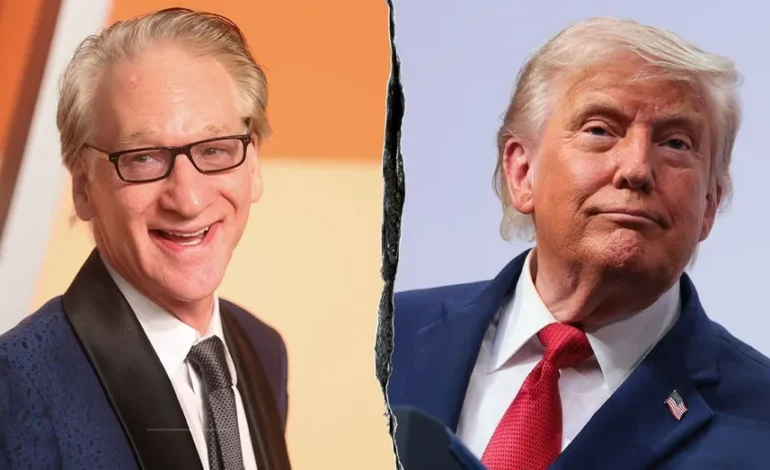
Comedian Bill Maher took aim at President Donald Trump’s recent Iran agreement on Friday night, humorously contrasting the administration’s initial strong demands with the eventual outcome. Maher characterized the shift as a move away from talk of “unconditional surrender” to a more diplomatic memorandum of understanding (MOU), even as the White House hailed the framework as a foreign policy success.
“We got everything we wanted except for everything we asked for,” Maher quipped on his program, “Real Time with Bill Maher.” He openly questioned the president’s renowned dealmaking prowess, drawing a direct line from Trump’s earlier rhetoric to the current accord. “Where’s the big dealmaker? What happened to ‘The Art of the Deal?'” Maher asked, suggesting the current outcome was far from the decisive victory Trump’s brand often implies. “This is his big close? I got news for you. The emperor has no clothes.”
Scrutiny Over the Iran Accord’s Binding Nature
Maher expressed skepticism about the agreement’s substance, arguing that its lack of firm commitment undermined the administration’s celebratory stance. “First of all, it’s not a deal. It’s a memorandum of understanding,” Maher stated. He likened its legal weight to a casual workplace reminder: “It’s about as legally binding as the sign in the break room that says, ‘Please clean microwave.'”
The comedian highlighted what he perceived as a significant pivot in the administration’s approach, moving from a forceful military posture to a less definitive diplomatic document. “We started with unconditional surrender, Operation Epic Fury, and now it’s memorandum of understanding,” Maher remarked. He added a colorful, if somewhat crude, analogy: “Last thing that got hosed this bad was my dog.”
White House Declares ‘Historic Breakthrough’
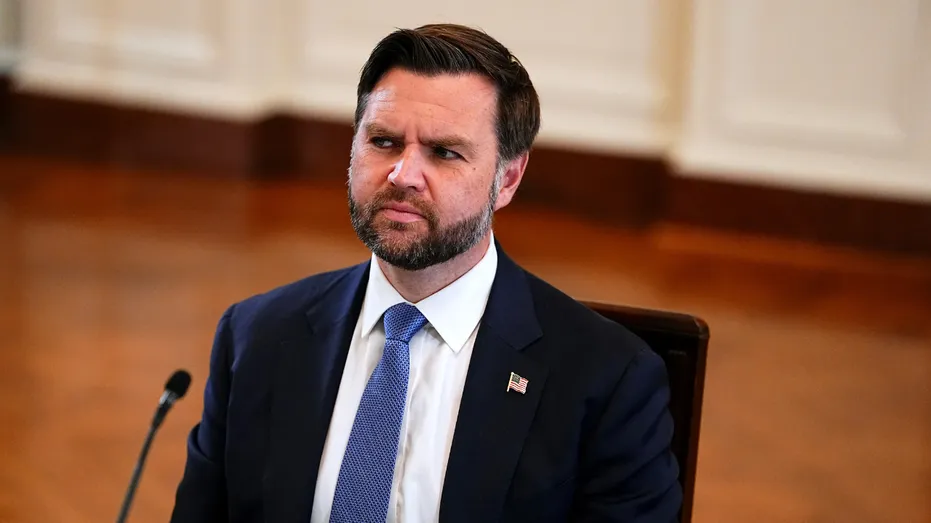
Earlier on Friday, the White House announced the signing of the memorandum between President Trump and Vice President JD Vance, describing it as a “historic breakthrough.” Officials asserted that the agreement would prevent Iran from acquiring nuclear weapons and would lead to the reopening of the Strait of Hormuz for commercial shipping.
The 14-point memorandum establishes a 60-day negotiation period for a final agreement. Key provisions include calls for the U.S. and Iran to cease military operations across all fronts, including in Lebanon. It also outlines steps for the U.S. to lift its naval blockade, while Iran is expected to ensure safe commercial passage through the strait. Crucially, the text states that Iran “shall not procure or develop nuclear weapons,” with both sides agreeing to work out the status of enriched material under the supervision of the International Atomic Energy Agency.
Vance Defends Terms, Cites Compliance-Based Benefits
Vice President Vance defended the framework on Thursday, emphasizing that the United States would not provide any financial concessions to Iran at this stage. He clarified that any sanctions relief or economic benefits would be contingent upon Tehran’s adherence to the terms of the agreement.
Strait of Hormuz Status Questioned Amid Tensions
The accord faced an immediate challenge on Saturday when Iran’s armed forces announced their intention to close the Strait of Hormuz. This move was reportedly attributed to the U.S. not preventing Israeli attacks in Lebanon, despite the memorandum’s call for an end to hostilities on all fronts.
However, U.S. Central Command disputed claims that the strait had been closed, confirming that safe passage remained unimpeded. According to Central Command, 55 merchant ships carrying over 17 million barrels of oil successfully transited the waterway on Saturday.