


MLB Players Union Seeks Betting Rule Changes Amid Harassment Concerns
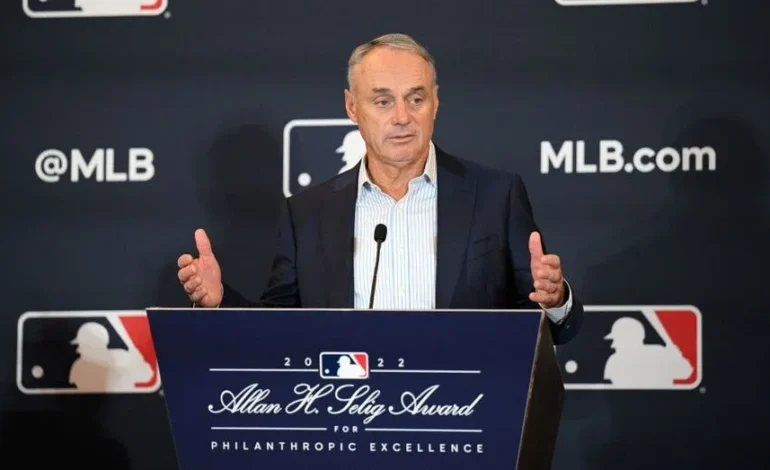

The Major League Baseball Players Association has put forward several proposals concerning sports betting as part of ongoing collective bargaining negotiations with the league. These proposals aim to address player harassment, clarify sponsorship opportunities, and revise disciplinary procedures for betting violations.
Key Proposals from the Players’ Union
At the forefront of the union’s agenda is a request to eliminate player prop bets. This measure is intended to curb the escalating harassment players face from gamblers unhappy with betting outcomes. Reports indicate a significant rise in instances where players and their families have been subjected to abuse and threats following games where their performance impacted bets.
Separately, the MLBPA is seeking explicit guidance from the league regarding players’ ability to secure endorsement and sponsorship deals with legal sportsbooks and prediction markets. This suggests a desire for clearer pathways to capitalize on the growing sports betting industry.
Furthermore, the union is pushing for adjustments to how sports betting investigations are conducted and how punishments are administered. This proposal reflects a desire for a more structured and potentially more lenient approach to disciplinary actions for players involved in betting activities.
Addressing Player Harassment
The push to ban player prop bets stems from a growing concern for player well-being. Recent incidents highlight the severity of the issue. For example, there have been documented cases of players receiving death threats and extreme profanity directed at them and their families after poor performances that affected wagers. One notable instance involved a pitcher and his family being targeted with threats after a difficult outing.
Beyond the emotional toll, there’s also a rationale that removing player props could reduce opportunities for alleged game manipulation. Investigations into pitchers accused of rigging their pitch counts underscore the potential for betting markets to intersect with competitive integrity.
Sponsorships and Potential Conflicts
The union’s request for clarity on sponsorship deals with sportsbooks presents a nuanced negotiating tactic. While players seek to benefit financially from partnerships with betting companies, they are simultaneously advocating for measures that could reduce the overall betting market – specifically, player props. This dual approach raises questions about balancing revenue opportunities with the integrity of the game and the betting product itself.
There’s a strong argument that players should share in revenue generated from league partnerships with sportsbooks. However, the union’s strategy of seeking these financial benefits while also proposing to diminish the betting options available to consumers is seen by some as a complex, perhaps even contradictory, negotiation stance.
Revising Disciplinary Actions
The union’s proposal regarding discipline for betting violations suggests a shift towards rehabilitation rather than solely punitive measures. Specifically, the union has reportedly asked that players found to have violated betting rules could be permitted to serve a portion of their suspension through a 15-day unpaid rehabilitation assignment in the minor leagues, particularly towards the end of their ban.
However, a firm line is drawn by many regarding players betting on their own games or against their teams. The consensus here is that such actions warrant permanent exclusion from the league, as they strike at the heart of the sport’s integrity. This perspective emphasizes that any compromise on such fundamental principles could have devastating long-term consequences for the league’s credibility.
Ultimately, the union’s demands appear to walk a fine line. While protecting players from extreme abuse is a critical objective, proposals that could be perceived as weakening the sport’s integrity or coddling rule-breakers are likely to face significant opposition. The balancing act between player welfare, financial opportunity, and the unwavering protection of baseball’s integrity remains a central challenge in these negotiations.