


Fetterman Warns NYC Mayor Over Defying Supreme Court Immigration Ruling
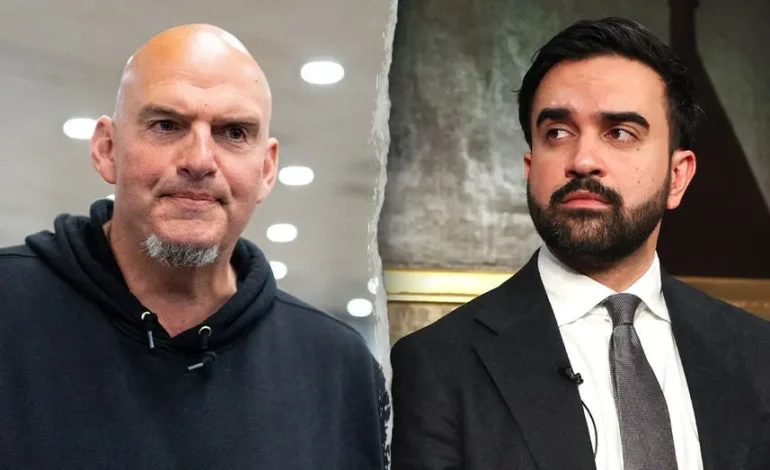

Senator John Fetterman, a Democrat from Pennsylvania, has sounded an alarm, warning that New York City Mayor Zohran Mamdani’s pledge to disregard a recent Supreme Court decision could precipitate a “constitutional crisis.” Fetterman expressed concern that many within his own party are either overlooking Mamdani’s stance or defending it, rather than upholding the principle that court rulings must be respected. The Senator highlighted the irony, noting that similar warnings of a “constitutional crisis” were frequently leveled against the Trump administration, yet he observed little public outcry now that a major city leader is openly stating an intention to defy the High Court.
Fetterman’s Call for Adherence to Court Rulings
Speaking on the program “Saturday in America,” Fetterman articulated his unease with the reaction, or lack thereof, to Mayor Mamdani’s declaration. “I haven’t seen the freak-out now that the mayor of New York is now saying I’m going to defy the Supreme Court ruling,” Fetterman stated. He elaborated on the potential ramifications, explaining, “Many of the members in my party are not calling him [Mamdani] out… [or they are] defend[ing] him, or just say[ing] we really actually have to follow the court rulings because… that’s a constitutional crisis, when you have the leader of the country’s largest city [saying] we’re not going to follow or honor what the Supreme Court says.”
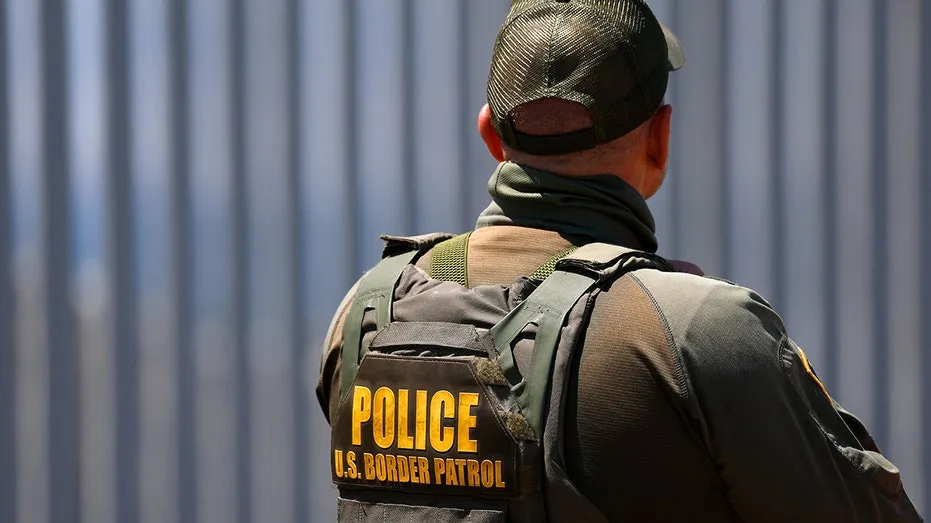
Fetterman’s remarks followed two significant immigration-related legal victories for the Trump administration at the Supreme Court. These rulings have implications for asylum claims at the border and the status of certain migrants already in the United States.
Key Supreme Court Decisions and Their Impact
The Supreme Court issued two rulings that bolster the administration’s authority in immigration matters. The first, Mullin v. Al Otro Lado, determined that individuals turned away at the U.S. border before formally entering the country are not eligible to apply for asylum. This decision potentially limits a pathway for asylum claims made at the border.
The second case, Mullin v. Doe, addressed the Temporary Protected Status (TPS) for nationals of Haiti and Syria residing in the United States. The Court ruled that these individuals could not obtain judicial intervention to postpone the revocation of their TPS status while they pursued legal challenges against the Trump administration’s efforts to end it. This ruling grants the administration greater latitude to proceed with terminating temporary protections for specific migrant groups.
Mayor Mamdani’s Response and Fetterman’s Concerns
In response to the Mullin v. Doe decision, Mayor Mamdani released a video statement indicating that his administration “will not ever accept” the ruling. This direct challenge to the Supreme Court’s authority is what prompted Senator Fetterman’s strong reaction.
Fetterman has, in the past, voiced concerns about the growing influence of what he describes as far-left politicians within the Democratic Party. He has pointed to figures like Mamdani as examples of a trend that he believes could be detrimental to the party’s broader appeal and its adherence to established legal frameworks. This internal party dynamic has also been noted by others observing political shifts, with figures like Maine Senate candidate Graham Planter, Los Angeles mayoral candidate Nithya Raman, Washington, D.C. mayoral candidate Janeese Lewis George, and several progressive candidates in New York City sparking discussions about the Democratic Party’s trajectory toward the left.
The Principle of Judicial Review
The core of Fetterman’s argument rests on the fundamental principle of judicial review and the necessity of respecting the Supreme Court’s authority as the final arbiter of legal disputes. He contrasts the current situation with the past, where Democrats often expressed alarm over actions perceived as undermining the judiciary. Fetterman suggests that a failure to hold leaders accountable for defying court orders, regardless of political affiliation, sets a dangerous precedent. The senator’s stance emphasizes the importance of institutional stability and the rule of law, even when faced with rulings that may be politically unpopular or have significant societal impacts.
Broader Implications for Immigration Policy
These Supreme Court decisions, coupled with Mayor Mamdani’s defiant stance, highlight the ongoing tensions surrounding U.S. immigration policy. The rulings provide the executive branch with enhanced tools to manage border security and reconsider the status of individuals granted temporary protection. The debate over how to balance national sovereignty, humanitarian concerns, and legal obligations is central to these discussions. Fetterman’s intervention serves as a reminder from within the Democratic Party that adherence to legal processes remains a critical component of governance, even amidst contentious policy debates.
Conclusion: Navigating Legal and Political Challenges
Senator Fetterman’s warning to Mayor Mamdani underscores a significant internal debate within the Democratic Party regarding the respect for judicial authority and the potential consequences of defying Supreme Court rulings. While the specific immigration policies are subjects of intense political disagreement, Fetterman’s focus on the procedural integrity of the U.S. legal system raises important questions about the boundaries of executive and local authority. The situation serves as a stark reminder that navigating complex immigration challenges requires not only policy solutions but also a steadfast commitment to the established legal order.