NM Governor Demands Federal Reparations Over Fentanyl Crisis
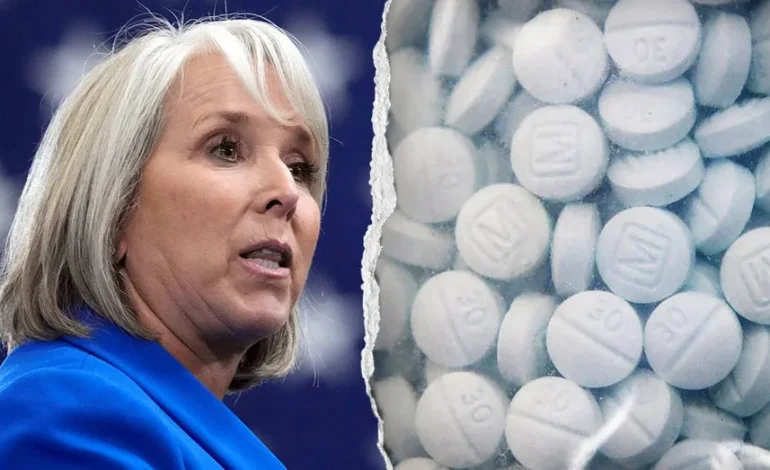

New Mexico Governor Michelle Lujan Grisham has issued a forceful demand for federal reparations, accusing the Drug Enforcement Administration (DEA) of a “despicable act” that she claims fueled the state’s devastating fentanyl crisis. The governor alleges that the DEA allowed millions of fentanyl pills to flood into New Mexico during an undercover operation, failing to notify state and local officials of the impending danger. This alleged inaction, she stated, has forced the state to allocate over $1.5 billion towards combating addiction, bolstering law enforcement, and funding behavioral health services, all while grappling with a surge in overdose deaths.
Governor’s Outrage and Demands
During a news conference, Governor Lujan Grisham expressed profound anger, stating, “The DEA stood silently by and watched thousands of fentanyl pills get distributed with no arrests, no evidence, no notice that we know of anywhere else.” She emphasized that the consequences of this operation will burden New Mexico for years to come, asserting, “Someone must pay for the damage to this state, the public safety risks that will be shared by everyone here for a decade.”
Her primary demand is for the federal government to reimburse New Mexico for the substantial costs incurred in fighting the fentanyl epidemic. This includes funding for law enforcement operations, essential behavioral health services, addiction treatment programs, overdose prevention initiatives, and other public safety measures. Beyond financial reimbursement, Governor Lujan Grisham called upon Congress to implement measures preventing similar DEA operations in the future. She seeks legislation that would ensure full federal funding for costs imposed on states by such operations and calls for personal accountability from the officials involved.
The governor highlighted that this is not the first time New Mexico has faced such a crisis, noting, “I’ve had to do this since 2019 three times.” She described the current situation as the “most devastating” yet, drawing parallels to previous federal failures that have impacted the state. She cited the federal government’s handling of the COVID-19 pandemic and the U.S. Forest Service’s prescribed burns, which led to the state’s largest wildfire and ultimately a multibillion-dollar federal liability settlement. Lujan Grisham argued that the DEA operation warrants similar accountability.
Unanswered Pleas for Resources
Governor Lujan Grisham revealed that her administration had repeatedly sought increased federal assistance from both the Biden and Trump administrations to address New Mexico’s escalating fentanyl crisis. These requests included pleas for additional DEA agents and more coordinated enforcement efforts, but she claims these appeals were met with silence. “Everybody behind me and the Office of the Governor have been asking both administrations… to do more about public safety in the state of New Mexico,” she stated. Despite multiple meetings, numerous letters, and direct requests for resources, her administration received “remarkably silent” responses.
Attorney General’s Criminal Investigation
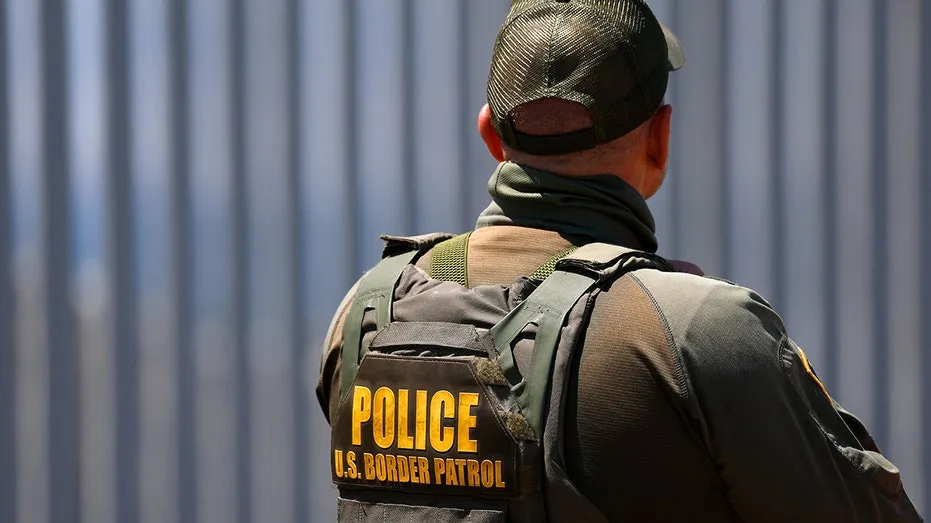
The governor’s strong statements followed closely on the heels of New Mexico Attorney General Raúl Torrez announcing a criminal investigation into the DEA’s alleged actions. The investigation centers on claims that DEA agents knowingly permitted hundreds of thousands of fentanyl pills to enter New Mexico communities while pursuing larger criminal investigations. Reports indicate that DEA agents monitored, but did not seize, significant fentanyl shipments between 2023 and 2025 as part of their broader case-building efforts.
Attorney General Torrez stated that his office will explore all potential legal avenues, including criminal prosecution, civil litigation, and structural reforms, to prevent such conduct from recurring. He underscored the gravity of the situation, saying, “The families who have lost children, siblings, and parents to fentanyl deserve the truth about what the federal government knew and what it failed to do.” Torrez concluded with a powerful indictment: “If the DEA stood by while poison flooded our communities, that is not a bureaucratic failure. It is a betrayal of the people it was sworn to protect.” His office is committed to pursuing accountability and ensuring this never happens again.
Calls for Accountability and Future Prevention
Echoing the Attorney General’s call for accountability, Governor Lujan Grisham demanded consequences for those who approved or oversaw the operation. “I want the people who knew this distribution was occurring without notifying anyone and allowing it to occur over and over again held accountable,” she declared. She expressed her belief that many responsible individuals remain within the DEA, adding, “I am so angry. This is an outrage.” The governor stressed the long-term impact on the state’s ability to combat addiction and overdose deaths, stating, “They should be accountable for the length of time it’s going to take us to combat the scourge of addiction and fentanyl overdose deaths.”
In addition to demanding accountability and reimbursement, Governor Lujan Grisham urged lawmakers to implement crucial legislative changes. These include requiring federal agencies to notify state and local officials before conducting similar operations, restoring approximately $25 million in federal funding for behavioral health and public safety that she claims has been cut, and enacting legislation to prohibit the use of such DEA tactics in the future. The governor’s stance highlights a deep-seated frustration with federal responses to critical state issues and a resolute push for greater accountability and protective measures against the ongoing fentanyl crisis.