




Seattle Squeezed: Middle Class Faces ‘Survival Mode’ Amid Soaring Costs
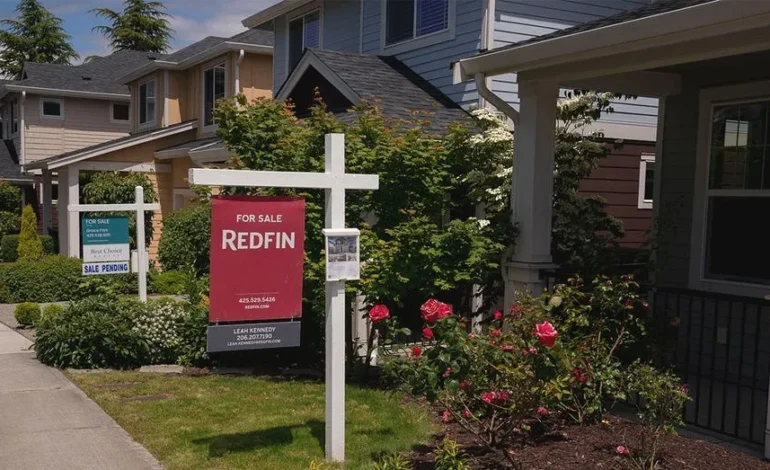

Seattle residents are increasingly describing a state of “survival mode” as the relentless rise in everyday expenses forces difficult decisions, including selling homes and drastically cutting back on discretionary spending. Even families with strong ties to the tech industry are finding it challenging to make ends meet, illustrating the widespread financial strain impacting the middle class in the Emerald City.
Inflation’s Grip on Seattle Households
The economic pressure in the Seattle area is palpable, with inflation rates continuing to outpace the national average. While consumer prices saw a slight dip from April to June, they remained elevated. Data indicates a 4.5% increase in prices over the past year for the Seattle-Tacoma-Bellevue region, a figure notably higher than the U.S. inflation rate of 3.5% during the same period. This sustained price hike is forcing many families to re-evaluate their budgets and lifestyles.
Liesl Gatcheco, a self-employed esthetician whose client bookings have decreased, shared her family’s struggle with The Seattle Times. “The last year has definitely been an absolute tightening up of what we’re spending on,” she explained. “It’s very stressful. I feel like I’ve been living emotionally in survival mode.” Her husband, who works for Microsoft, faces the added anxiety of potential layoffs, a stark contrast to the perceived job security the tech sector once offered. Recent significant workforce reductions within the company, including thousands in its Xbox division and sales teams, have fueled this concern. “Working in tech used to be a sure thing, and it’s absolutely not anymore,” Gatcheco added.
The Gatchecos, parents of twins, are now selling their home in Seattle’s Crown Hill neighborhood, where her sister also resides in a downstairs unit. Their decision to downsize is a proactive step to regain financial control. “We’re selling our home to take control,” she stated.
Beyond Housing: Everyday Expenses Escalate
The financial pinch extends far beyond housing costs. Essential expenses like groceries and gasoline have surged, compelling even those who previously felt financially secure to make cutbacks. Dusty Wilson, a math teacher at Highline College in Des Moines, and his wife Charlene, have significantly reduced their driving, opting for public transit like the light rail due to the soaring cost of fuel. “We were always just drivers, and then gas hit $6 a gallon,” Wilson recounted.
Dining out and ordering takeout, once common conveniences, are now viewed as luxuries. Restaurant food prices climbed 6.2% in the year leading up to June. “Expenses that used to be ordinary, like takeout and dining out, have started to feel more like indulgences, even for people who never anticipated having to scale back,” a report noted.
Veronica Brown, a 36-year-old tech worker, shared an example of this shift. Despite not being in financial distress, she recounted how a typical pad thai order, including taxes, fees, and tip, exceeded $40. This experience led her to stop ordering delivery altogether, a habit she previously maintained once or twice a month. Brown expressed concern about her ability to afford larger future purchases, such as buying a home. “Our money doesn’t go as far,” she told the publication.
City Hall Responds to Affordability Crisis
In response to the growing affordability challenges, a spokesperson for Seattle Mayor Katie Wilson emphasized that these issues remain a top priority for the administration. “Fu’s story illustrates why affordability and inequality remain among the most urgent challenges facing Seattle and why it is a priority for this Administration,” the spokesperson stated. The Mayor’s office is actively pursuing initiatives aimed at alleviating financial pressure on residents.
Key actions highlighted include legislative efforts to ban certain “junk fees” imposed by landlords, particularly larger property owners, to reduce unexpected renter expenses. The city has also focused on accelerating the construction of new shelters to assist the homeless population and facilitate their transition to stable housing. Furthermore, a proposal for the Seattle Transit Measure aims to provide affordable and improved public transportation options over the next decade.
The Mayor’s office also pointed to initiatives supporting educational and social services. These include strengthening access to public libraries through increased physical and e-book availability, ensuring facilities are safe and well-maintained via the Seattle Library Levy, and proposing universal school meals to combat student hunger. Additionally, eligibility for the city’s utility discount program has been modified to include more low-income residents and seniors.
“We look forward to the next six months and pulling together with our neighbors, families, immigrants, and workers to tackle challenges and keep Seattle a place everyone can call home,” the spokesperson concluded, expressing optimism for collaborative efforts to address the city’s pressing issues.
Looking Ahead: A Community Effort
The experiences of Seattle residents like the Gatchecos and the Wilsons underscore a broader economic reality: the rising cost of living is creating significant hardship. While city officials are implementing measures to address affordability, the sentiment of “survival mode” among residents suggests that the path to financial stability remains a considerable challenge. The coming months will be crucial in determining the effectiveness of these initiatives and the community’s collective ability to navigate these economic headwinds and preserve Seattle as a welcoming home for all its inhabitants.