


Walz Defends Pardon of Deported Child Sex Offender
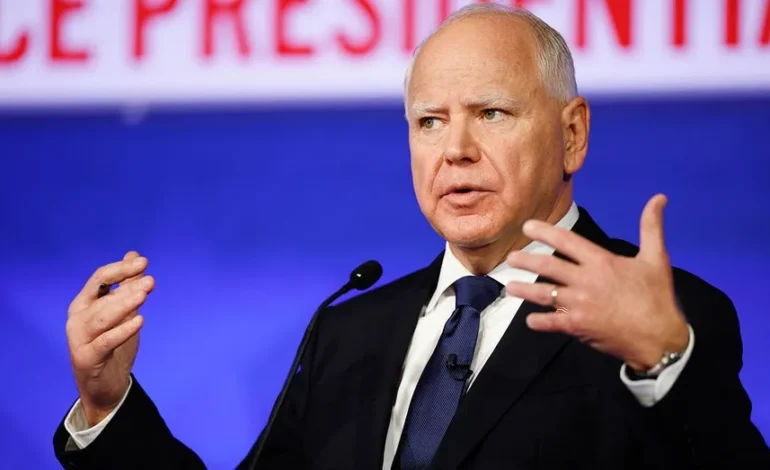

Minnesota Governor Tim Walz has publicly addressed his support for pardoning Tou Lue Vang, a Laotian national convicted of first-degree criminal sexual conduct involving a 10-year-old girl. Vang’s pardon by the Minnesota Board of Pardons on June 10 occurred shortly before the Trump administration announced his deportation to Laos last week, following the revocation of his legal status. The governor questioned the efficacy of the deportation, particularly in light of the pardon.
Governor Questions Deportation’s Impact
Speaking on Tuesday, Governor Walz posed several rhetorical questions regarding the deportation of Vang, who had been under a final removal order. “Did that make us any safer?” Walz asked, according to KTTC. He further inquired, “Did that make the children that are left behind any more stable?” The governor also invoked the principle of not judging individuals solely by their worst actions, asking, “Did it improve the idea that we can’t all be judged by our worst day?” Walz emphasized that he recognized the severity of Vang’s crimes, stating, “These are horrific crimes. They often are.”
Pardon Not Tied to Immigration Policy, Walz States
Governor Walz clarified that Vang’s pardon was not intended as a commentary on immigration policy. He noted that the Board of Pardons had previously denied clemency requests from other individuals facing immigration consequences. This assertion comes amidst criticism from federal immigration officials and Republican lawmakers following the pardon.
Federal Officials Condemn Pardon and Deportation
Marco Rubio, identified as Secretary of State in the original reporting, announced Vang’s deportation on Friday. He stated that foreign sex predators shielded from deportation by elected officials should not pose a threat to Americans. “That’s why I terminated his legal status in the United States,” Rubio said. “Vang has now been removed from our country and will never pose a threat to any American ever again.”
Previously, reports indicated that Vang admitted to repeatedly sexually assaulting a young girl over several years, beginning when she was in the fourth grade. Vang arrived in the U.S. in 1994 and was granted legal status under the Clinton administration. The assaults occurred in St. Paul, Minnesota, between 2002 and 2004. Following his conviction, Vang lost his legal status and faced a final deportation order.
The Minnesota Clemency Review Commission had recommended a pardon for Vang. The Board of Pardons, which includes Governor Walz, Attorney General Keith Ellison, and Minnesota Supreme Court Chief Justice Natalie Hudson, subsequently granted the pardon. However, a spokesperson for Attorney General Ellison’s office clarified that the pardon did not prevent Vang’s deportation. Homeland Security Acting Assistant Secretary Lauren Bis criticized the decision, calling Governor Walz’s action “disgusting” and asserting that such actions protect “criminal illegal aliens.”
Context of the Pardon
According to KSTP, Governor Walz defended the pardon decision by citing, among other factors, the victim’s support for Vang receiving clemency. The details surrounding the pardon and subsequent deportation have sparked significant debate regarding immigration, criminal justice, and the role of state pardons in federal immigration matters.