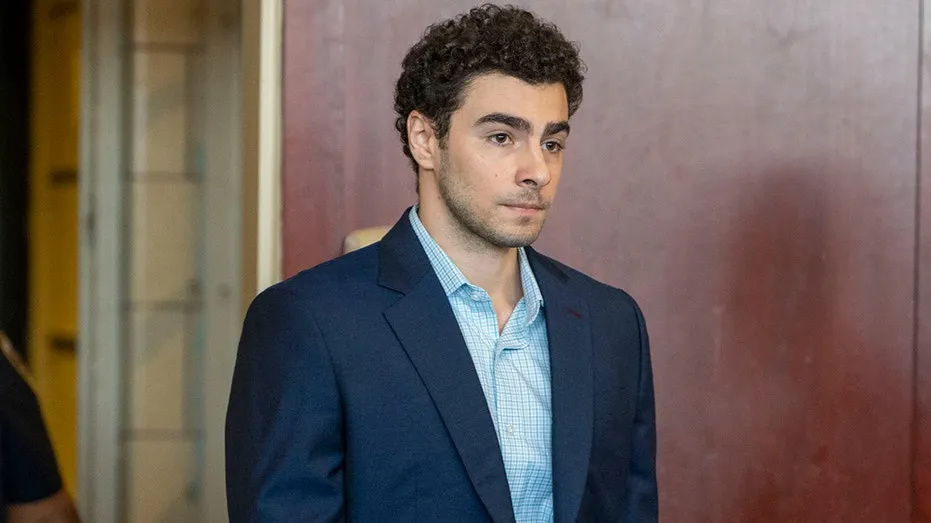




Murderer Sues Trump for $75M Over Political Use of His Case

An immigrant serving a lengthy prison sentence for the murder of Ruby Garcia in Michigan has filed a lawsuit against former President Donald Trump, seeking $75 million, a public apology, and U.S. citizenship. The lawsuit, lodged in federal court, alleges that Brandon Ortiz-Vite, 27, suffered humiliation and public scrutiny after his case was prominently featured in political discourse and campaign materials.
The Lawsuit’s Core Allegations
Ortiz-Vite, who is currently serving a sentence of 39 to 102 years for the March 2024 killing of Garcia, claims his dignity was stripped away when his crime became a political talking point. He contends that his case was exploited for political gain, particularly by Trump, who he names as a defendant along with White House Principal Deputy Press Secretary Steven Cheung. Ortiz-Vite, representing himself in the handwritten complaint, asserts that he was unfairly categorized and that his identity as a person was overshadowed by his immigration status and the crime he committed.
“My case and immigration status! Once again, it belittled me, shattered my dignity and what I was as a person,” Ortiz-Vite wrote in his filing. “The shame it brought to my family name is a reality I have to live with now.” He further expressed that being used for political purposes on television was “unjust” and “humiliating,” describing the experience as being “center stage in front of a nation, public scrutiny at its finest!”
A Case That Captured National Attention
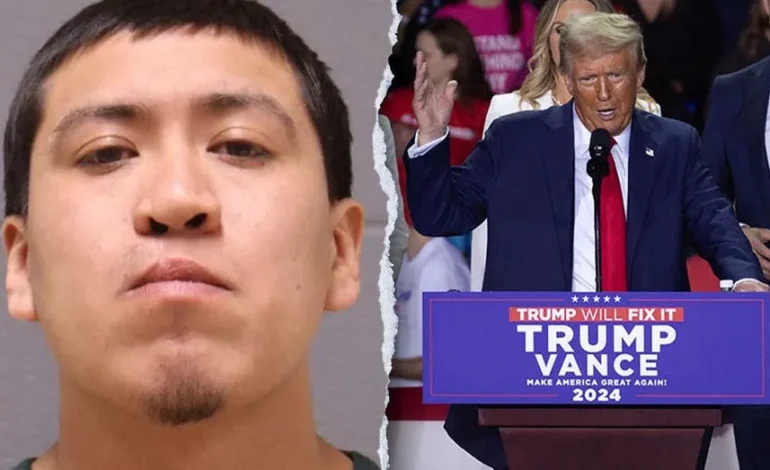
Ruby Garcia’s death in March 2024 drew significant media attention, particularly after her body, bearing multiple gunshot wounds, was discovered abandoned along a road in Grand Rapids. Ortiz-Vite and Garcia were reportedly in a romantic relationship and had been arguing at the time of the incident. The case gained further national prominence when then-President Trump visited Grand Rapids and referenced Ortiz-Vite’s situation, labeling him “America’s problem” and using his mugshot in campaign commercials to illustrate the issue of immigrants residing illegally in the U.S. who have committed crimes.
Ortiz-Vite claims that this public exposure led to mockery from prison staff and fellow inmates, deepening his sense of shame and isolation. He stated that his court-appointed attorneys highlighted how his case had become “blown out of proportion” and a “high-profile case,” a realization that brought him to tears and left him feeling like he was living “everyone’s worst nightmare” – to be “publicly infamous—a target!”
Legal Hurdles and Expert Opinions
Legal experts express significant doubt about the lawsuit’s prospects. Matthew Borgula, a criminal defense attorney and former federal prosecutor, explained that such prisoner lawsuits typically face an initial screening process and are often dismissed if they don’t meet legal standards. Borgula indicated that Ortiz-Vite’s complaint might not survive this preliminary review.
Furthermore, Borgula pointed out the concept of presidential immunity, which generally shields presidents from lawsuits concerning their official actions. While campaign statements can sometimes fall outside this protection, he argued that the lawsuit fails on more fundamental grounds. According to Borgula, Trump’s statements about Ortiz-Vite’s case were “substantially true,” and the experience of being publicly embarrassed by a politician does not constitute a constitutional violation. He believes the case should be terminated before it even proceeds to a formal response from the defendants.
Background on Ortiz-Vite’s Immigration Status
Records indicate that Ortiz-Vite entered the U.S. without authorization and was previously part of the Deferred Action for Childhood Arrivals (DACA) program until his status lapsed in May 2019. He was deported following an arrest for driving while intoxicated in 2020. The timeline of his subsequent illegal re-entry into the U.S. remains unclear.
Taking Responsibility Amidst Legal Action
Despite pursuing legal action against the former president, Ortiz-Vite also stated in his complaint that he has taken full responsibility for his actions. He explained that he turned himself in and confessed to Garcia’s murder, motivated by remorse. He described himself as having “stood tall” and been respectful when questioned about the events of March 24, 2024, acknowledging the severe consequences he faced.
The lawsuit, while seemingly lacking a strong legal foundation, offers a glimpse into the profound impact of becoming a focal point in national political campaigns. As legal analyst Borgula noted, even if the plaintiff feels wronged, the federal court system may not provide a legal remedy for the emotional distress or public notoriety stemming from a politician’s commentary, especially when the underlying facts are largely undisputed and a guilty plea has been entered.
A Former Candidate’s Perspective
Tudor Dixon, who previously ran for governor of Michigan, characterized Ortiz-Vite’s lawsuit as an act of “arrogance and entitlement.” She suggested that such attitudes persist when political figures prioritize appeasing undocumented immigrants over supporting victims. Dixon emphasized the need for lawmakers to advocate for individuals like Ruby Garcia rather than for those who have committed crimes against them.