

Kansas Governor’s Race: Holscher Faces Masterson in GOP Bid to Flip Seat
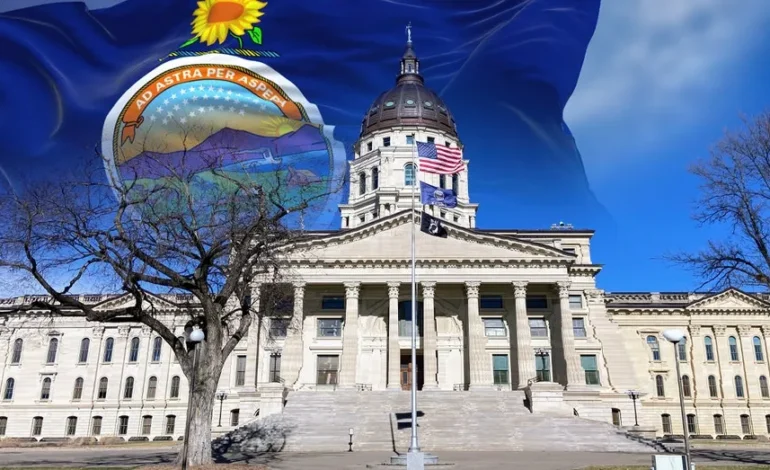

Kansas Democrats are rallying behind Cindy Holscher, their chosen candidate, in a high-stakes bid to retain the governor’s mansion in the upcoming November 3rd general election. Holscher will face off against Republican nominee Ty Masterson in a contest that could see the governorship shift back to the GOP after two terms under the current Democratic leadership. The race is particularly significant as incumbent Democratic Governor Laura Kelly is term-limited, creating an open seat that both parties view as a crucial battleground, especially in a state that traditionally leans Republican.
The Democratic Field
The path to the nomination for the Democrats was relatively straightforward, with State Senator Cindy Holscher emerging as the party’s standard-bearer. She was one of two state senators vying for the position, alongside State Senator Ethan Corson. Overland Park Mayor Curt Skoog also competed for the Democratic nomination, but Holscher ultimately secured the party’s backing to challenge for the state’s top executive office.
A Crowded Republican Contest
On the Republican side, the primary election presented a much more crowded and competitive landscape. Several prominent figures vied for the chance to represent the GOP in the general election. Among the notable contenders were:
- Secretary of State Scott Schwab
- Senate President Ty Masterson
- Insurance Commissioner Vicki Schmidt
- Former Johnson County Commissioner Charlotte O’Hara
- Businessman Nick Reinecker
- Businessman Philip Sarnecki
- Former Johnson County Sheriff Stacy Rogers
This robust field of candidates indicated a strong desire within the Republican party to reclaim the governorship, which they see as a prime opportunity given the state’s political leanings.
Kansas’ Shifting Political Landscape
Despite Kansas’ reputation as a solidly Republican state, evidenced by its voting patterns in presidential elections, the governorship has seen a degree of fluctuation in recent cycles. Voters have, at times, opted for Democratic leadership, demonstrating a willingness to cross party lines. This dynamic makes the upcoming election a closely watched event, as the outcome will determine whether this trend continues or if the state reverts to its more traditional Republican governance at the executive level.
Judicial Reform on the Ballot
The primary election in Kansas also coincided with a significant constitutional amendment proposal concerning the state’s judicial system. This amendment, championed by Republican lawmakers, aims to replace the current method of appointing Kansas Supreme Court justices with a system of direct elections. Proponents argue that this change would bring greater accountability and public input into the selection of judges, addressing criticisms from conservatives who have expressed dissatisfaction with the existing nominating commission process.
The Current Judicial Selection System
Under the current system, a nominating commission is responsible for vetting candidates and recommending a list of individuals to the governor, who then makes the appointment. This process has been a point of contention for some, particularly those on the conservative end of the political spectrum, who believe it insulates the judiciary from the will of the people.
Proposed Changes
If approved, the constitutional amendment would fundamentally alter how Kansas Supreme Court justices are chosen. Instead of being appointed, justices would be subject to statewide elections. This shift could have profound implications for the composition and direction of the state’s highest court, potentially leading to a more politically charged judicial landscape.
The Road to the Governor’s Mansion
The winner of the November general election will step into the role of Kansas’ next governor, succeeding Governor Kelly, who will have completed her second and final term in January. The contest between Holscher and Masterson is expected to be a hard-fought battle, with both parties mobilizing their bases and appealing to independent voters. The outcome will not only shape the future of Kansas’ executive leadership but also potentially influence the state’s broader political trajectory.
Conclusion
As Kansas heads toward the November general election, the race for governor stands out as a pivotal contest. Cindy Holscher faces the considerable challenge of holding onto the governor’s mansion for the Democrats in a state that often favors Republican leadership. Her opponent, Ty Masterson, represents the GOP’s strong push to reclaim the office. With the added backdrop of a significant judicial reform proposal on the primary ballot, the election promises to be a defining moment for the Sunflower State, impacting both its governance and its judicial system for years to come.