


Michigan House Speaker Questions $300M Rx Kids Program’s True Purpose


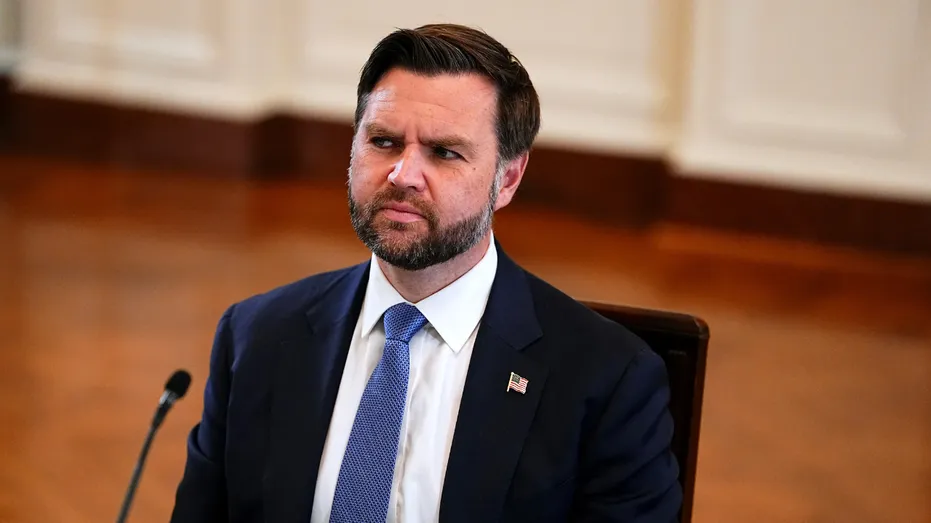
Michigan House Speaker Matt Hall is demanding greater transparency regarding the state’s Rx Kids program, a maternal health initiative funded by over $300 million in taxpayer money. Hall, a Republican, expressed concerns in a recent interview that the program has veered from its intended purpose of supporting pregnant women and new mothers, suggesting it has become a vehicle for a broader guaranteed income agenda championed by Democrats.
Concerns Over Program’s Scope and Funding
The Rx Kids program, which launched in Flint in 2024, provides expectant mothers with a $1,500 lump-sum payment during pregnancy and continues with $500 monthly payments after childbirth. Hall stated that lawmakers were led to believe the funding was exclusively for prenatal and maternal health services. “I think the Democrats kind of slipped this in here under the idea that it was for prenatal care,” Hall told Fox News Digital. “Lawmakers did not have the complete picture.”
According to materials shared by Hall’s office, the program has since expanded across Michigan, utilizing more than $300 million in state funds. While Rx Kids promotes itself as a means to alleviate financial stress for new families by improving maternal and infant health, its leaders have also discussed the potential for wider implementation of this model, both within Michigan and beyond.
Eligibility and Oversight Scrutinized
A key point of contention for Hall is the program’s apparent lack of stringent eligibility requirements, which he contrasts with traditional public assistance programs. “We have a lot of social safety net programs in our country that are working very well,” Hall explained. “They have eligibility checks. They look at citizenship. They look at income verification.”
Hall asserted that Rx Kids, by design, distributes funds to anyone with a child, without verifying citizenship status or income levels. His office provided evidence, including legislative committee testimony, suggesting that payments have been made to individuals who are not legally residing in the United States. This stands in contrast to programs like Medicaid, SNAP (food stamps), and WIC, which Hall noted have established criteria to ensure recipients meet legal and financial need requirements.
Unrestricted Cash Payments Under Fire
Further criticism from Hall targets the unrestricted nature of the cash payments. He pointed out that recipients are not mandated to use the funds for specific necessities such as diapers, formula, or housing, nor are they required to spend it on pregnancy-related or newborn care expenses. “They give you this free cash and there are no strings attached by definition,” Hall stated.
Hall also relayed anecdotal accounts from caseworkers who, he claims, have observed recipients using the funds for non-essential or detrimental purposes like alcohol, drugs, and gambling. While these claims have not been independently verified, they contribute to the speaker’s broader concerns about accountability and the program’s ultimate impact.
Connections to Broader Political Agendas
Hall’s office highlighted public statements from Rx Kids leaders that, in his view, support the Republican assessment of the program’s ambitions. He cited podcast interviews where co-founder Luke Shaefer discussed the expanded Child Tax Credit and Rx Kids’ potential role in its wake. Additionally, Dr. Mona Hanna, another leader with Rx Kids, has spoken about her vision for the initiative to evolve into a large-scale government program.
“This is a progressive left-wing experiment toward basically a universal income,” Hall concluded. “They’re trying to move the welfare state down that lane.”
Advisory Network and Voter Engagement Questions
The program’s advisory network has also drawn scrutiny. Hall’s office noted that the Rx Kids website previously listed several prominent figures associated with the progressive political sphere, including Democratic U.S. Senate candidate Abdul El-Sayed, Ryan Friedrichs (husband of Michigan Secretary of State Jocelyn Benson), and Dorian Warren of Community Change. This advisory board page was reportedly removed shortly after lawmakers questioned program officials in a legislative hearing.
Furthermore, Hall pointed to an Rx Kids white paper examining voter turnout among recipients and the program’s association with Vot-ER, an organization focused on voter registration. Materials from Hall’s office also indicated that Dr. Hanna advises Vot-ER. These connections have led Hall to question the program’s focus on the voting patterns of its recipients, stating, “We’re trying to understand why are you so interested in the voting pattern of the people that are receiving your no-strings-attached welfare. We aren’t getting good answers.”
Budgetary Decisions and Future Outlook
While House Republicans did not allocate new funding for Rx Kids in the recently approved state budget, the program retains access to previously appropriated funds. Hall expressed satisfaction with this budgetary decision, stating, “The good news is that we cut off funding to this program in the new budget.” He indicated a desire to implement stricter oversight in the future.
“In the future, we’re going to try to put guardrails around it so that it goes to the people that truly need it,” Hall said. He emphasized a preference for directing taxpayer funds toward established programs with clear eligibility criteria and spending restrictions, believing these models better serve the public and prevent potential misuse of funds. “I think people support those programs,” Hall added. “They have eligibility requirements to ensure that you’re not taking advantage of the system.”