



Ex-Air Force Secretary Loses Security Clearance Over Air Force One Leak
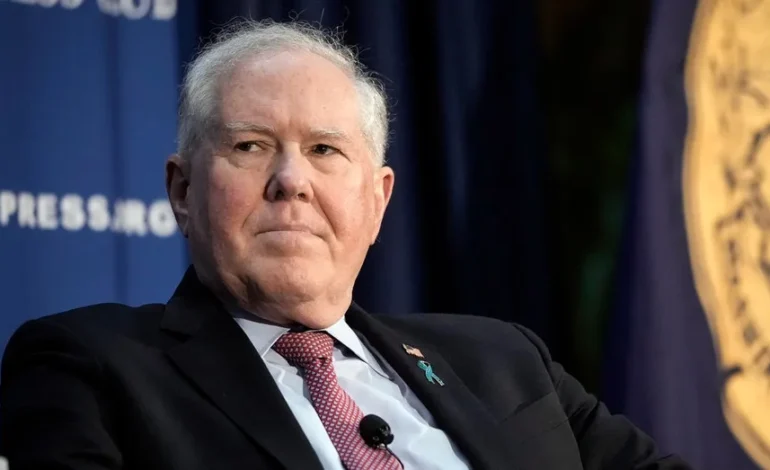

Former Air Force Secretary Frank Kendall has had his security clearance revoked, effectively barring him from accessing classified information and holding sensitive positions. The U.S. Department of Defense announced the decision Friday, citing an unauthorized disclosure of classified details concerning the capabilities of Air Force One.
Security Clearance Revoked
Pentagon spokesperson Sean Parnell confirmed the action via a statement on X, formerly Twitter. The revocation is immediate and significantly impacts Kendall’s ability to engage in national security matters. Parnell emphasized the gravity of safeguarding classified information, stating, “Safeguarding classified information is a non-negotiable duty. Those who violate that trust forfeit the privilege of access and any role requiring it.” The department’s move underscores a strict stance on the protection of sensitive national security data.
Background of the Disclosure
While specific details of the disclosure remain classified, the Department of Defense indicated that the information improperly shared related to the advanced capabilities of Air Force One, the presidential aircraft. This aircraft is a highly sensitive asset, equipped with advanced communication, security, and defensive systems. Unauthorized disclosure of its operational or technological specifications could potentially compromise its effectiveness and the safety of those who travel aboard.
Frank Kendall’s Tenure
Frank Kendall served as the Secretary of the Air Force during the administration of former President Joe Biden. His tenure involved overseeing the vast operations and strategic direction of the U.S. Air Force, a role that inherently requires access to a high level of classified information. The revocation of his clearance raises questions about the circumstances leading to the disclosure and the internal review process that followed.
Implications of the Revocation
Losing security clearance has profound implications for individuals who have held high-ranking positions in national security. It not only prevents access to classified intelligence but also disqualifies them from holding any position that requires such access. For former officials like Kendall, this can significantly curtail their ability to contribute to policy discussions or engage in advisory roles that rely on sensitive information. The Department of Defense’s decision reflects a commitment to upholding the integrity of classified information protocols, regardless of an individual’s past service or position.
Broader Context of Information Security
The incident involving Frank Kendall highlights the ongoing challenges in maintaining information security within government and military circles. High-profile revocations serve as stark reminders of the stringent protocols in place and the consequences of their breach. The Department of Defense, along with other intelligence agencies, continually reviews and updates its security measures to prevent unauthorized access and dissemination of sensitive data. Such actions are critical for maintaining national security and preserving the trust placed in those who handle classified information.
Conclusion
The revocation of Frank Kendall’s security clearance marks a significant development, underscoring the paramount importance of protecting classified information. The Department of Defense’s firm stance indicates a zero-tolerance policy for unauthorized disclosures, ensuring that the privilege of accessing sensitive data is reserved for those who strictly adhere to security protocols. This event serves as a critical reminder of the responsibilities that accompany high-level security clearances.