



Scott Spiezio’s Battle: From World Series Hero to Addiction’s Brink
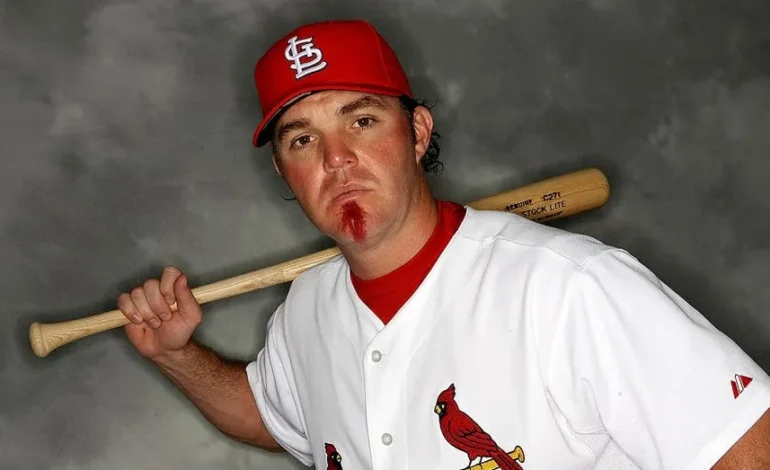

Scott Spiezio, a name etched in baseball history for his pivotal role in the 2002 World Series, has opened up about a harrowing decade-long battle with alcoholism and drug addiction that nearly cost him his life. His journey from the pinnacle of sports success to the depths of despair, and ultimately to recovery, is a testament to resilience and the power of second chances.
A Defining Moment on the Diamond
Spiezio’s most indelible moment came in Game 6 of the 2002 World Series. With his Los Angeles Angels trailing the San Francisco Giants three games to two, and facing a daunting 5-0 deficit in the seventh inning, Spiezio stepped up to the plate. The pressure was immense, the season hanging in the balance. Facing a tough reliever with a 1-2 count, Spiezio, a master of the 3-2 count situation drilled into him since childhood, battled back. He then launched a crucial three-run home run, igniting an Angels comeback that would ultimately lead to their first-ever World Series championship. This heroic blast, a moment he had visualized countless times in his father’s makeshift basement batting cage, catapulted him into the spotlight.
His father, Ed Spiezio, a two-time World Series winner himself, had instilled a relentless drive in his son from a very young age. The Spiezio household was dedicated to Scott’s baseball aspirations, with rigorous training regimens designed to prepare him for the major leagues. This shared dream culminated in Scott not only reaching the big leagues but also surpassing his father’s championship achievements.
The Descent into Addiction
Following the euphoria of the 2002 World Series win, Spiezio found himself at the center of media attention. While he interpreted his “ego” as “edging God out,” this period marked the beginning of a gradual drift. The accolades and fame, he admits, led him to start believing the hype.
The turning point toward a darker path came in 2003 when he suffered a severe back injury while playing for the Seattle Mariners. Tripping on the pitcher’s mound, he blew out discs in his thoracic spine, an injury that carried the risk of paralysis. This physical setback, coupled with the unfamiliarity of a new city and the absence of a strong support system, plunged Spiezio into depression and anxiety. Instead of turning to his faith, he turned to alcohol.
What began as an attempt to cope quickly spiraled into a daily habit. Spiezio, who once hesitated to take over-the-counter pain relievers, found himself consuming large quantities of alcohol. His life began to unravel: his marriage ended, he engaged in recreational cocaine use, and his relationship with his father became severely strained, culminating in a public incident that led to his father calling the police and a period of estrangement.
Even a resurgent season with the St. Louis Cardinals in 2006, where he again won a World Series (this time with the team his father had played for), couldn’t pull him out of his downward spiral. The victory was bittersweet, lacking the shared joy he had experienced in 2002, and his relationship with his father remained fractured.
A Glimmer of Hope and a Father’s Forgiveness
A pivotal moment arrived on Opening Day 2007. The Cardinals orchestrated a surprise reunion, bringing Ed Spiezio to the field to present his son with his 2006 World Series ring. This emotional reconciliation, described by Scott as the “prodigal son moment,” began to mend their broken relationship, though Scott’s addiction continued to rage.
Despite this reconnection, Spiezio was playing drunk, sometimes with a blood alcohol content theorized to be as high as 0.20. He eventually collapsed and entered outpatient rehab, but his recovery was superficial. His addiction led to further legal troubles, including a hit-and-run incident, and subsequent stints in rehab facilities across the country. By 2010, he had divorced his second wife, and his substance abuse escalated, with daily consumption of multiple bottles of vodka and significant spending on cocaine.
The Wake-Up Call
The decade between 2007 and 2016 saw Spiezio in and out of 11 different rehabilitation programs. He eventually relinquished control of his finances to his parents, recognizing his inability to manage his affairs while battling addiction. At his lowest point, he experienced suicidal ideation, even contemplating running towards police officers in hopes they would shoot him.
In 2018, a routine MRI for back pain revealed a devastating truth: his liver was failing due to years of alcoholism. Doctors gave him a grim 20% chance of survival and stated he needed to abstain from alcohol for six months to be eligible for a liver transplant. Spiezio, then 47, confessed he wasn’t sure he could manage such a feat, admitting, “I went from a guy that never drank alcohol to thinking I don’t know if I can go six months without drinking to save my own life.”
Redemption and a New Purpose
On April 6, 2018, Spiezio cried out to God for help, praying for his cravings to disappear. Miraculously, he claims, the cravings vanished. He experienced physical illness at the mere sight of alcohol, a stark contrast to his former life. This marked the beginning of his true recovery.
His liver condition began to improve, baffling doctors who noted his scans and blood work normalizing without explanation. Spiezio viewed this as a second miracle. He began rebuilding his life, starting with simple tasks like clearing sticks in his yard, which led to reconnecting with his church and his faith. He found purpose in serving, cleaning the church office and reading the Bible.
Today, Spiezio lives a life far removed from the financial wealth he accumulated during his baseball career. He now lives month-to-month, yet he asserts he is happier than ever. He runs a baseball facility, offers one-on-one lessons, and actively shares his story and faith, speaking at schools about the dangers of drugs and alcohol. He is also focused on repairing his relationships with his four children.
His journey has been chronicled in a documentary titled “Spiezio” and his memoir, “The Hardest Comeback.” Spiezio emphasizes that recovery is possible, stating, “As long as you got a pulse, you got a purpose. It’s never too late to get sober. It’s never too late to mend broken relationships.” His life now revolves around helping others find their own path to recovery and a fulfilling life, proving that even after hitting rock bottom, a profound comeback is achievable.