


Ms. Rachel Shares Ta-Nehisi Coates Quote on Reparations
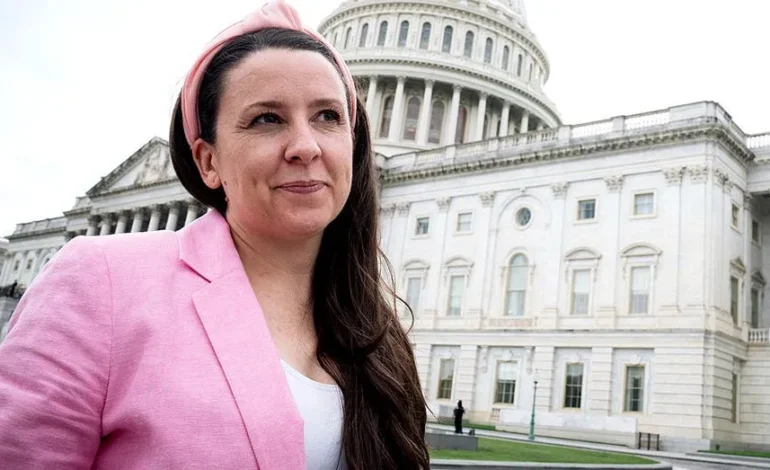

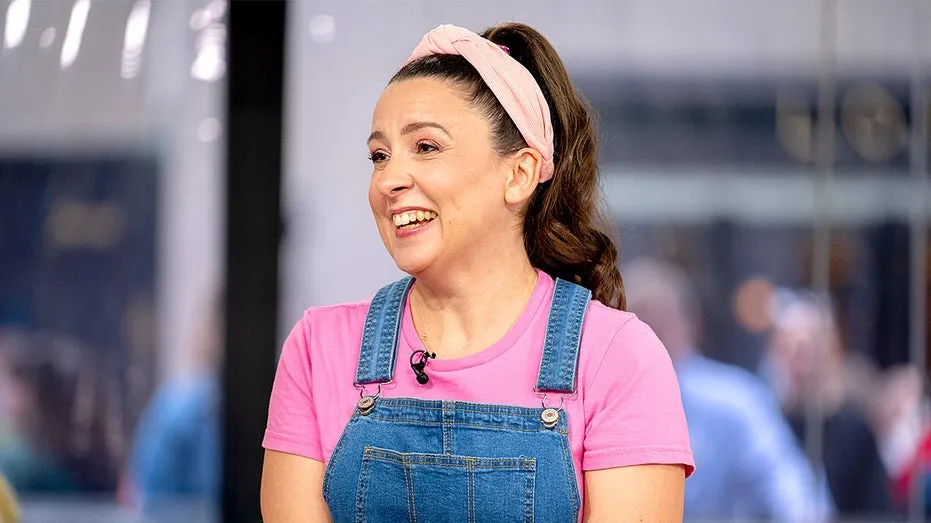
Children’s entertainer Ms. Rachel, whose real name is Rachel Accurso, publicly expressed her support for reparations on Monday, sharing a powerful quote from Ta-Nehisi Coates’ influential 2014 essay, “The Case for Reparations.” This move marks another instance of the popular online educator engaging with political and social issues.
A Call for Reckoning with American History
The quote shared by Ms. Rachel on her Instagram account directly addresses the enduring legacy of slavery and systemic discrimination in the United States. It reads: “Two hundred fifty years of slavery. Ninety years of Jim Crow. Sixty years of separate but equal. Thirty-five years of racist housing policy. Until we reckon with our compounding moral debts, America will never be whole.” This statement encapsulates Coates’ argument that true national healing requires a deep and honest confrontation with the nation’s past injustices.
Understanding “The Case for Reparations”
Ta-Nehisi Coates’ essay, a cornerstone of the modern reparations debate, posits that America’s prosperity is inextricably linked to its history of exploiting Black labor and enforcing discriminatory practices. He argues that addressing these historical wrongs goes far beyond simple financial compensation. Coates describes reparations not as a “handout, a payoff, hush money, or a reluctant bribe,” but as a catalyst for profound societal change.
According to Coates, a genuine reparations process would signify a “national reckoning that would lead to spiritual renewal.” He envisions a future where the nation can authentically embrace its democratic ideals by acknowledging and rectifying the historical truths that contradict its self-image. This reckoning, he suggests, would mean moving beyond superficial displays of patriotism or the denial of historical facts, such as continuing to celebrate holidays while ignoring the foundational role of slavery and subsequent discrimination in shaping the country.
Ms. Rachel’s Growing Political Engagement
This latest post aligns with a pattern of increasing political advocacy from Ms. Rachel. Accurso has, in recent months, become more vocal about progressive causes, leveraging her platform as a beloved children’s entertainer. Previously, she publicly endorsed several Democratic candidates during primary elections, including figures like former Representative Cori Bush and Michigan’s U.S. Senate candidate Abdul El-Sayed.
Furthermore, Accurso has spoken out on matters of racial justice in the context of specific legal cases. For instance, she commented on the investigation into the death of Nolan Wells, suggesting that race played a role in how the case was handled. She stated, “We know the investigation and everything that followed would have been different if Nolan Wells were White and his friends were Black. Nolan and his family deserve justice.”
Criticism and Controversy
Accurso’s willingness to engage in these complex social and political discussions has not been without criticism. Dave Aronberg, a former State Attorney for Palm Beach County, Florida, has previously voiced concerns about Accurso’s public statements. Aronberg criticized her for commenting on ongoing investigations and for what he described as “injecting division” through her remarks on various issues, including the Israel-Hamas conflict.
Aronberg stated, “Ms. Rachel is at it again. Whether it’s injecting division into domestic tragedies or spreading toxic, antisemitic rhetoric in her posts about the Middle East, she constantly pushes narrative over facts. We need real investigative transparency [in the Wells case], not popular children’s creators using tragic deaths and foreign policy to divide us.”
Despite the criticisms, Ms. Rachel has declared her intention to be a political voice, framing her engagement as part of a broader mission. Her sharing of Coates’ quote on reparations underscores her commitment to addressing historical injustices and advocating for societal change, even as she navigates the complexities and controversies that arise from such public stances.
The Broader Context of Reparations
The concept of reparations for slavery and its enduring aftermath has been a subject of debate for decades. Proponents argue that it is a necessary step to address the systemic economic and social disparities that continue to affect Black Americans. They point to the long history of unpaid labor during slavery, followed by decades of discriminatory practices in housing, education, and employment, as creating a significant wealth gap that reparations could help to close.
Opponents often raise questions about the practical implementation of reparations, including who would be eligible to receive them and how they would be funded. Others argue that current generations should not be held responsible for the actions of past generations or that existing social programs are sufficient to address inequality.
Coates’ essay and Ms. Rachel’s recent post bring this complex issue to a wider audience, prompting further discussion about historical accountability and the path toward a more equitable future for all Americans. The conversation initiated by Accurso’s social media activity highlights the ongoing relevance of these historical debates in contemporary society.