
WNBA Faces Scrutiny Over Trans Athlete Policy and Fan Backlash
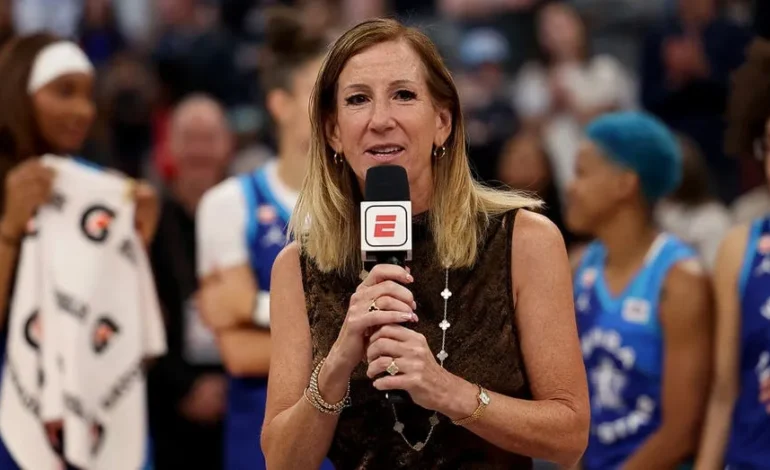

The Women’s National Basketball Association (WNBA) is navigating a complex and contentious debate surrounding transgender athletes and the definition of womanhood within professional sports. Amidst ongoing discussions and public commentary, the league has faced criticism for its approach to defining eligibility criteria and addressing fan concerns.
League Addresses Trans Athlete Debate Amidst Criticism
In a recent update, the WNBA acknowledged the ongoing dialogue concerning transgender athletes and the “hate and vitriol” directed at players online. The league stated that its stakeholders are engaged in thoughtful discussions, emphasizing alignment with the league’s core values. A spokesperson indicated that there are no immediate eligibility matters impacting the WNBA and condemned what they described as “bad-faith efforts” to use these topics for demeaning purposes.
This statement comes as the league continues to deliberate on the issue, with some observers characterizing the approach as a delay tactic. The WNBA’s collective bargaining agreement reportedly states that only women are eligible to play in the league, yet a precise definition of ‘woman’ within the agreement has become a focal point of discussion.
Player Perspectives and Public Discourse
The conversation has also involved WNBA players, with some expressing support for maintaining women’s sports and locker rooms exclusively for biological females. Indiana Fever guard Sophie Cunningham has been vocal on this stance. Following an on-court incident where Chicago Sky guard DiJonai Carrington was ejected for a Flagrant 2 foul against Cunningham, Carrington posted on social media, referencing “WHITE PRIVILEGE.”
Fever coach Stephanie White addressed the incident, calling the hit “egregious” after initial criticism regarding her response. Her subsequent comments focused on condemning online negativity, including “hate,” “fear-mongering,” and “divisiveness,” rather than solely addressing the on-court action or the underlying debate.
This recurring pattern, where players advocating for specific viewpoints on biological sex in sports face backlash and the league addresses the tone of the discourse, has drawn criticism. Critics argue that the league is more focused on managing public relations and policing the debate than on taking definitive stances or directly supporting players who raise these questions.
Broader Sporting Landscape and WNBA’s Position
The WNBA’s situation is being observed against the backdrop of decisions made by other international sports organizations. Bodies such as World Aquatics, World Athletics, and the UCI have implemented specific biological eligibility standards for athletes. In contrast, the WNBA appears to be continuing its process of internal discussions, stakeholder engagement, and public statements.
The league’s approach, characterized by ongoing meetings and public relations efforts, has led to questions about its long-term strategy and its commitment to protecting the integrity of women’s sports. The assertion from some quarters is that biological realities cannot be indefinitely sidestepped through procedural discussions or public relations management.
The league’s handling of the eligibility debate, including the public declarations of former NBA players Enes Kanter Freedom and Royce White for the 2027 WNBA Draft, has intensified scrutiny. Their actions appear intended to highlight the perceived ambiguity in the WNBA’s policies regarding player eligibility.
Looking Ahead: Defining the League’s Purpose
As the WNBA continues its deliberations, the core question remains: what is the fundamental purpose the league aims to protect? The ongoing process of listening sessions and stakeholder engagement, while intended to be inclusive, has led to a perception of indecision. The challenge for the WNBA lies in balancing inclusivity with the established framework of women’s sports, a framework that has historically been based on biological sex. Failure to establish clear policies, some argue, could lead to an eligibility crisis that forces the league’s hand.
The league has been approached for further comment regarding its definition of a woman and its eligibility policies but has not yet provided a detailed response beyond its public statements on the ongoing discussions.