




Wasserman Schultz Wins Florida Primary Amidst District Controversy
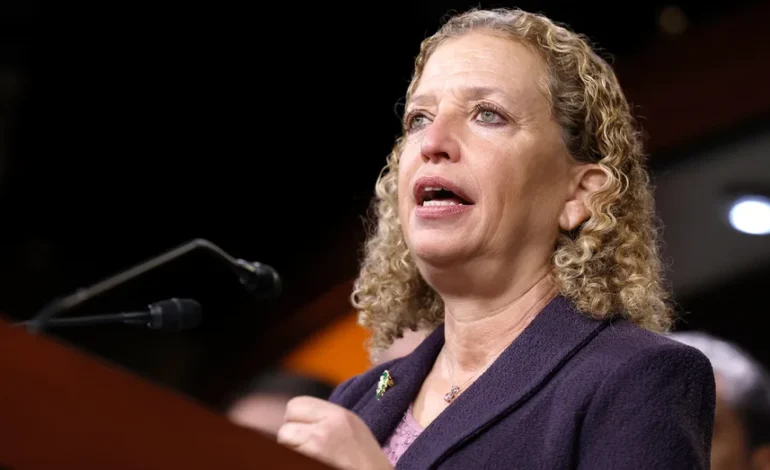

Representative Debbie Wasserman Schultz has secured victory in a closely contested Democratic primary for Florida’s 20th Congressional District, overcoming a progressive challenger and a former lawmaker whose tenure was shadowed by fraud allegations. The race, marked by significant debate over representation and racial dynamics, saw the 21-year House veteran emphasize her experience and ability to deliver for constituents.
A Contentious Primary in Florida’s 20th District
The primary election for Florida’s 20th Congressional District was far from ordinary. Representative Debbie Wasserman Schultz, a familiar face in Washington, faced a challenge from a younger progressive activist, Elijah Manley, and a former colleague, Sheila Cherfilus-McCormick. Wasserman Schultz, who has served in the House for over two decades, ran on a platform highlighting her seniority and track record of securing federal resources for her district. Her campaign stressed her deep understanding of congressional processes and her established relationships, which she argued were crucial for effective constituent service.
The district itself became a focal point. Following mid-decade redistricting in Florida, Wasserman Schultz opted to run in the 20th District, which offers a stronger Democratic advantage compared to her previous seat. This decision immediately ignited controversy, as the district is predominantly Black and has historically been represented by Black members of Congress. Wasserman Schultz, a White woman, faced criticism for entering a district with such a distinct demographic and political history.
Racial Overtones and Calls for Representation
The debate over Wasserman Schultz’s candidacy in the 20th District was charged with discussions about race and representation. Both of her primary opponents, Sheila Cherfilus-McCormick and Elijah Manley, argued that her presence in the district was an affront to the African American community. Manley, a 27-year-old activist and teacher aligned with the progressive wing of the Democratic Party, directly addressed the racial implications at a candidate forum. He stated, “While the Republicans are trying their hardest to silence Black voices, I don’t expect somebody in our own party, a white Democrat, to do the same.” He further emphasized the importance of Black representation in Congress, asserting, “We are not going back to a time where there were no Black people in Congress.”
Cherfilus-McCormick, a former congresswoman, echoed these sentiments, accusing Wasserman Schultz of “district forum shopping.” She contended that electing Wasserman Schultz would signify an erasure of Black history and political power within the district. The intensity of the opposition was such that House Minority Leader Hakeem Jeffries notably declined to publicly endorse Wasserman Schultz during this period of internal party dispute.
In response to the criticisms, Wasserman Schultz defended her candidacy by pointing to her extensive experience in Congress and her history of representing diverse communities, including Black and Caribbean populations, in her former district. She highlighted her commitment to serving all constituents and her established record of legislative work.
Scandal and Controversy Surrounding Opponents
The primary was not without its own controversies surrounding the challengers. Sheila Cherfilus-McCormick faced serious legal challenges. Federal prosecutors accused her and other defendants of misappropriating a $5 million overpayment from a FEMA-funded COVID-19 vaccination contract. The allegations included laundering the funds through various accounts and using a portion to finance her 2021 congressional campaign through illicit contributions. Cherfilus-McCormick resigned from her House seat in April, prior to a potential expulsion vote, and has maintained her innocence, pleading not guilty to the federal charges.
Adding another layer of complexity, Representative Rashida Tlaib made an appearance at a rally in Fort Lauderdale on August 14th, supporting efforts aimed at unseating Wasserman Schultz. State Representative Randy Fine, a Republican, suggested that the push to unseat Wasserman Schultz was linked to her Jewish faith, a claim Wasserman Schultz has not directly addressed in detail but which adds to the broader political narrative surrounding the race.
Wasserman Schultz’s voting record on foreign policy also became a point of contention, particularly with progressive elements within the Democratic Party. Describing herself as a “staunch supporter” of Israel, she has consistently voted against measures seeking to curtail military aid to the country. This stance has placed her at odds with a segment of the party advocating for a reduction in U.S. support for Israel.
Broader Field of Candidates
While the primary narrative largely focused on Wasserman Schultz, Cherfilus-McCormick, and Manley, other candidates also vied for the nomination. These included former Broward County Mayor Dale Holness and well-known community activist Luther “Uncle Luke” Campbell. Their participation contributed to the overall dynamics of the Democratic primary, though the central conflicts revolved around the incumbent and her two most prominent challengers.
Conclusion
Representative Debbie Wasserman Schultz’s primary victory in Florida’s 20th Congressional District underscores her resilience and established political base, even as the election highlighted deep-seated debates about representation, race, and political strategy within the Democratic Party. The campaign season was marked by significant controversy, from Wasserman Schultz’s decision to run in a new district to the legal troubles of one opponent and the progressive challenge from another. Her win suggests that, despite the complexities and criticisms, her experience and established political apparatus were sufficient to navigate the challenges and secure another term.