


CBC Adjusts 9/11 Language Policy After Public Outcry

The Canadian Broadcasting Corporation (CBC) has revised its internal guidelines regarding the description of the September 11, 2001, attacks, following significant public backlash. The change comes after a leaked memo instructed reporters and editors to avoid labeling the events as “terrorist attacks.” Basem Boshra, CBC News’ senior director of journalistic standards and public trust, authored the updated guidance, which was released on Friday.
Background of the Controversy
The controversy ignited when a directive from CBC News staff surfaced, reportedly stating, “Do not refer to the Sept. 11 attacks as terrorist attacks.” Instead, the initial memo described the events as hijackings resulting in plane crashes in Washington, D.C., Pennsylvania, and Manhattan, noting the destruction of the World Trade Center. This wording sparked widespread concern and anger, with many interpreting it as an attempt by the CBC to downplay the severity of the attacks or obscure the identity of those responsible.
The directive was first brought to public attention by Toronto Sun columnist Warren Kinsella. The leaked excerpt, published without full context, led to accusations that the CBC was minimizing the horror of that day. In response to the ensuing confusion and distress, the CBC released a statement titled, “How and why CBC News will adjust its 9/11 language guidance.”
CBC’s Explanation and Policy Shift
In the statement, Boshra acknowledged the “swirl of confusion” surrounding the use of terms like “terrorist” and “terrorism” within CBC News, specifically concerning the 2001 attacks by al-Qaeda. He emphasized that the intention was never to minimize or obscure the events of 9/11.
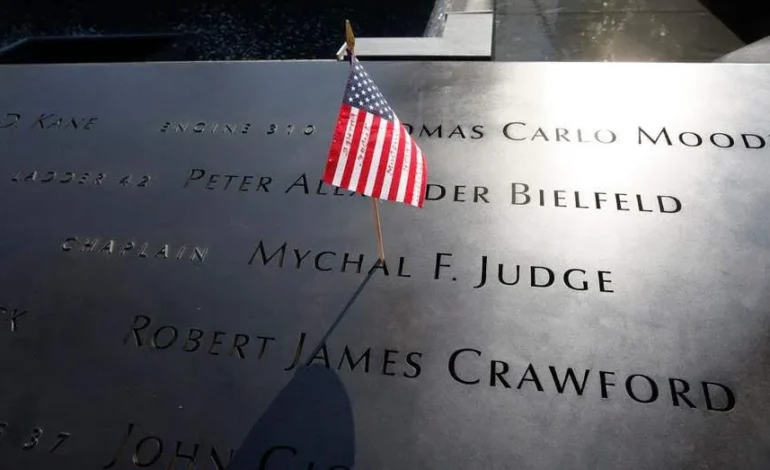
“That is the last thing we want to do,” Boshra stated. He highlighted CBC’s extensive reporting over the past 25 years, describing it as an “unflinching account” of the devastating attacks, the pursuit of those responsible, the lives lost, and the profound grief experienced by many. The CBC also affirmed its commitment to marking the upcoming 25th anniversary with “extensive, special coverage” that will “respectfully and thoughtfully reflect on the monumental nature of this tragedy.”
Boshra explained that CBC’s long-standing practice, common among major news organizations, has been to guide reporting on terrorism by the principle of attribution. This means attributing the characterization of events as terrorism to official sources or experts. He noted that this approach was detailed in a previous editor’s blog post.
“But to be clear, CBC News has never said what happened on Sept. 11, 2001, was not terrorism, as some commentators have stated in recent days,” Boshra clarified. “We have reported fully and accurately on the reasons and motivations for those attacks as determined by police, governments and an independent commission. We’ve just made sure to do it with attribution.”
The Decision to Adjust Guidance
Recognizing that the leaked excerpt, lacking context, had created more questions than answers and had become an “impediment to clarity and public understanding,” the CBC decided to revise its language guidance. The adjustment clarifies that direct attribution is no longer required when describing the historic events of 9/11 as terrorism.
“After reviewing our current language guidance, we have decided to adjust it to clarify that direct attribution is not required for describing the historic events of 9/11 as terrorism,” Boshra announced. He added that while this specific adjustment is being made for 9/11 to ensure clarity, the practice of attributing causes and motivations to officials and experts will continue for new acts of politically or ideologically motivated violence.
Broader Context and Related Developments
The internal policy change at CBC News occurred amidst broader discussions about language and terrorism. The CBC’s statement aimed to reassure the public of its commitment to accurate and sensitive reporting on the 9/11 tragedy and its enduring impact.
In separate but related legal news, a military judge reportedly dismissed a confession from Khalid Sheikh Mohammed, the alleged mastermind of the 9/11 attacks. According to reports, the judge ruled that statements made by Mohammed to investigators in 2007 were not voluntary. This development complicates the legal proceedings against Mohammed and his co-defendants, with a trial date reportedly set for June 2028.
Conclusion
The CBC’s policy adjustment reflects a responsiveness to public concern and a commitment to clear communication. By removing the requirement for direct attribution in describing the 9/11 attacks as terrorism, the organization seeks to avoid further misinterpretation and ensure its reporting honors the gravity of the event and the memory of its victims. While maintaining attribution as a standard practice for ongoing acts of terrorism, the CBC has made a specific accommodation for the historic 9/11 attacks to foster better public understanding.