


AI Boom Fuels Demand for Skilled Trades, Creating Blue-Collar Jobs


The insatiable appetite for artificial intelligence is unexpectedly igniting a surge in demand for skilled blue-collar workers across the United States. As companies race to construct the vast physical infrastructure required for AI, a significant boom is emerging for tradespeople involved in building data centers, robust power systems, and the essential facilities underpinning this technological revolution. This rapid expansion is placing a renewed emphasis on expertise in fields like construction, electrical work, and heavy equipment operation.
The AI Infrastructure Construction Surge
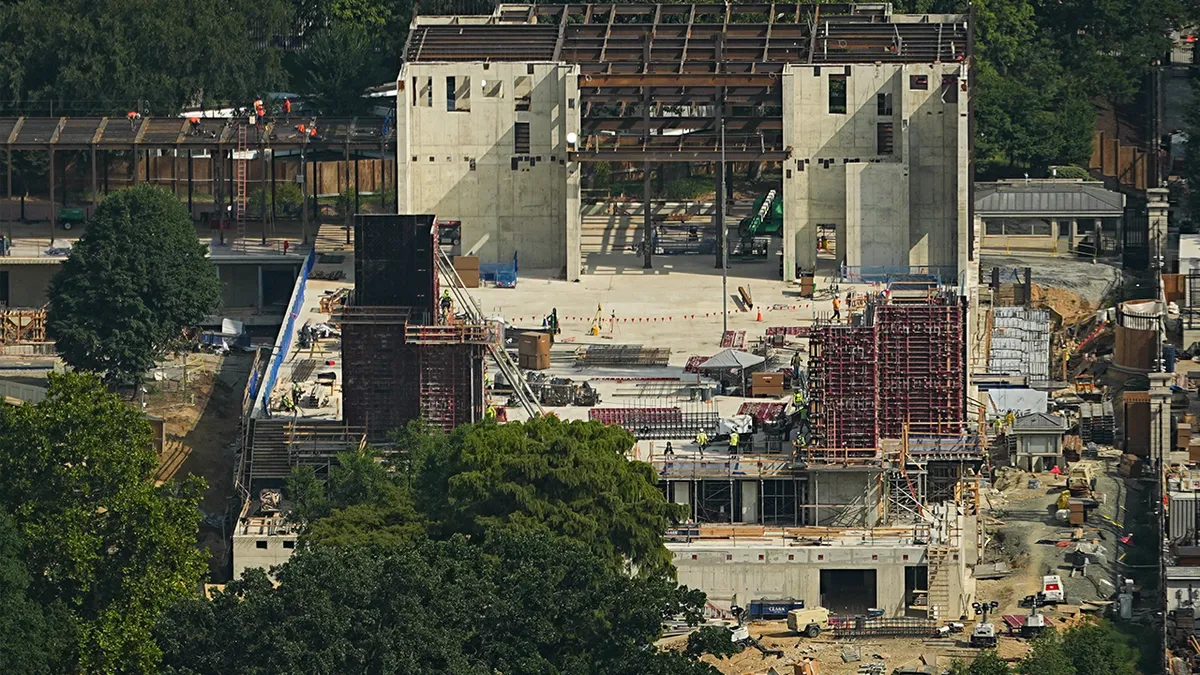
The development of AI is not just about software and algorithms; it necessitates substantial physical construction. Data centers, the digital fortresses housing the immense computing power AI relies on, require meticulous site preparation, extensive concrete pouring, complex electrical installations, and the integration of sophisticated cooling and power systems. This complex process demands a large and skilled workforce at virtually every step.
Cole Renken, general manager of Merlo America, the U.S. arm of an Italian construction equipment manufacturer, observed a long-standing underappreciation for careers in the trades. “For many years, there’s been a lack of focus just in general from what is the benefit of a career in the trades,” Renken stated. He highlighted the stability these professions offer, adding, “It’s a very stable income, very stable lifestyle that you can provide for.” The current AI infrastructure boom is poised to bring these vital careers back into the spotlight.
Projected Growth in Industrial Construction
The financial implications of this construction wave are substantial. A report from Merlo America, compiled with insights from predictive sales intelligence firm BiltData.ai, forecasts a significant increase in U.S. construction spending. Projections indicate a rise from $2.22 trillion in 2026 to $2.85 trillion by 2031. Within this expanding market, industrial construction—encompassing factories and, crucially, data centers—is expected to reach an impressive $684 billion by 2031. This segment alone is anticipated to account for 24% of all U.S. construction expenditures.
A primary driver behind this growth is the escalating need for infrastructure to support AI, cloud computing, and the fifth generation of wireless technology (5G). Data centers, in particular, are emerging as major hubs of construction and industrial activity. Building these facilities requires a diverse array of skilled labor, from the initial site clearing to the final operational setup.
Roles in Data Center Development
The process of constructing a data center involves multiple stages, each demanding specific expertise:
- Site Preparation: Heavy-equipment operators are essential for clearing land, grading, and preparing the foundation.
- Logistics and Material Handling: Coordination of material delivery and management requires skilled logistics workers.
- Core Construction: Concrete workers are needed for foundations and structural elements.
- Electrical Systems: Electricians play a critical role in installing the complex power and data cabling infrastructure.
- Plumbing and HVAC: Plumbers and HVAC technicians are vital for cooling systems and other essential utilities.
Renken specifically pointed to electrical workers as likely to experience exceptionally high demand due to the power-intensive nature of data centers.
Beyond Construction: Ongoing Operations and Maintenance
The job creation associated with AI infrastructure extends far beyond the initial construction phase. Brittany Kaiser, CEO of AI infrastructure firm Alpha Compute, emphasized that data centers require a continuous workforce. “These are projects that can provide hundreds or thousands of jobs over many, many years,” Kaiser explained. “It’s not a quick construction project.”
Kaiser described data centers as dynamic environments, akin to “a constant construction project,” necessitating ongoing employment across various sectors. This includes:
- Equipment Installation: Skilled technicians to set up servers and networking hardware.
- Operations Monitoring: Staff to oversee the continuous functioning of the facility.
- Maintenance and Repairs: Technicians for routine upkeep and immediate fixes.
- Expansion Support: Workers to facilitate future growth and upgrades.
This sustained demand offers significant opportunities for local communities, particularly for individuals who can be trained for these specialized roles. “It’s jobs that can also be taught and trained,” Kaiser noted. “So it’s very possible to engage with the community on education and training initiatives to allow people to get access to these higher paying jobs that they didn’t have a skill set for before.” This approach can open doors to well-compensated careers for those previously lacking specific technical qualifications.
Addressing the Skilled Labor Shortage
Despite the burgeoning opportunities, a persistent challenge looms: a shortage of skilled tradespeople. Renken indicated that these labor deficits have been a long-standing issue in the industry and are likely to become more acute as the number of AI infrastructure projects escalates. The current boom serves as a stark reminder that even the most advanced digital technologies rely heavily on tangible, physical infrastructure and the skilled hands that build and maintain it.
This reliance on the physical realm could finally draw much-needed attention to the skilled trades, which have often been overshadowed by the allure of high-tech careers. “To me, it has been kind of an overshadowed market that hasn’t gotten the attention that it needs,” Renken commented. The AI revolution, ironically, may be the catalyst that revitalizes appreciation and investment in the foundational blue-collar professions that make it all possible.
Conclusion
The rapid expansion of artificial intelligence is creating a powerful, albeit somewhat unexpected, engine for job growth in the American blue-collar sector. From the initial groundwork and construction of massive data centers to their ongoing operation and maintenance, skilled tradespeople are finding themselves in high demand. While challenges related to labor shortages persist, this AI-driven boom presents a significant opportunity to elevate the profile and importance of careers in the trades, offering stable, well-paying jobs and contributing to the nation’s technological advancement.