



Airport Cannabis Mistake Could Cost Travelers 10 Years and $15,000

Travelers embarking on international journeys are being urged to meticulously check their luggage for a specific item that could lead to severe consequences, including substantial fines and lengthy prison sentences. U.S. officials are issuing a stark reminder that transporting cannabis products across international borders is still against the law in numerous countries. This warning comes in the wake of a new customs policy implemented in Thailand that significantly escalates penalties for those caught violating its regulations.
Thailand’s Stricter Cannabis Import/Export Laws
As of June 2026, Thailand has put in place more stringent penalties for travelers found bringing cannabis across its borders. According to advisories from the U.S. Embassy and Consulate in Thailand, individuals found in violation could face up to a decade in prison, a fine reaching 500,000 Thai baht (approximately $15,000 USD), or a combination of both penalties.
While Thailand took steps to decriminalize the possession of cannabis in 2022, the act of importing or exporting the substance without explicit authorization remains strictly prohibited. This distinction is crucial for travelers to understand, as it highlights that legality within a country does not automatically extend to its international transit regulations.
Navigating International Drug Laws
Legal experts emphasize that assuming domestic laws apply universally is a common and potentially costly mistake for international travelers. Jeffrey Hoffman, a cannabis attorney based in New York, cautions that despite the trend of relaxed cannabis laws in places like Canada and various U.S. states, the substance is still largely illegal across most of the globe.
“When you travel to a different jurisdiction, you become subject to its laws,” Hoffman explained. He pointed to the high-profile case of WNBA star Brittney Griner, who faced imprisonment in Russia after cannabis oil was discovered in her belongings, as a potent reminder of how strictly some nations enforce drug laws. “There is no safe harbor when traveling internationally,” he added. “Even a mistake is no excuse.”
Common Traveler Misconceptions
Travel experts frequently encounter a common misconception among travelers: the belief that if a substance is legal in their home country, it will be accepted elsewhere. Bobby Laurie, a former flight attendant and travel expert, notes that this assumption can lead to serious trouble.
“Even if you’re carrying a cannabis product for personal use or have a medical prescription, that doesn’t guarantee it will be allowed at your destination,” Laurie stated. “Some countries have extremely strict drug laws, and the penalties can be severe.”
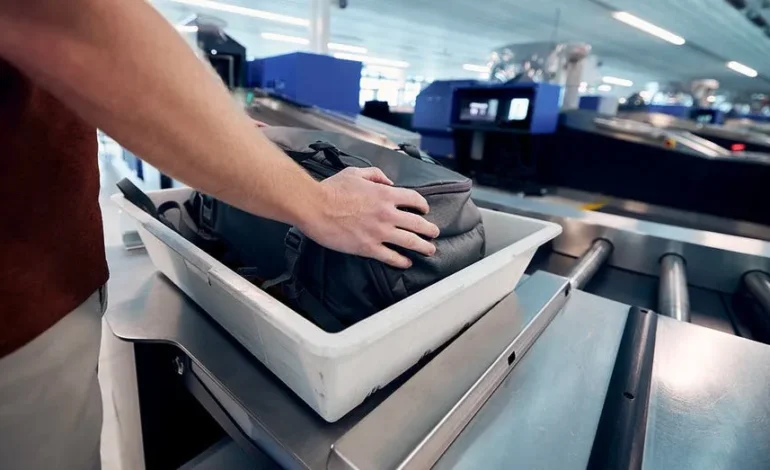
Laurie strongly advises travelers to research the specific laws of their destination before each trip. He also recommends a thorough emptying of all bags, including backpacks and purses, to ensure no forgotten items are inadvertently carried across borders. The idea that customs officials might overlook an accidental infraction is a dangerous gamble.
Beyond Cannabis: Unexpected Destination Rules
The potential for unexpected legal pitfalls extends beyond cannabis. Laurie highlighted that some countries enforce regulations on seemingly innocuous items that travelers might never anticipate. As an example, he cited Singapore’s well-known restrictions on chewing gum, underscoring the importance of researching destination-specific rules well in advance of packing.
“This is one of those things you wouldn’t know unless you researched it, and how many of us walk around with that in our bags?” he mused, referring to the possibility of carrying prohibited items unknowingly.
Domestic vs. International Travel Regulations
It’s important to distinguish between domestic and international travel regulations concerning cannabis. Recently, the Transportation Security Administration (TSA) updated its guidance for travelers carrying medical marijuana on domestic flights within the United States. The TSA does permit certain medical cannabis products under specific, limited circumstances during domestic travel.
However, experts universally stress that these domestic allowances do not translate to international travel. Crossing international borders with cannabis remains subject entirely to the laws of the destination country, irrespective of the traveler’s home jurisdiction’s laws or medical prescriptions.
Furthermore, the TSA itself notes that while its primary focus is on security screening, its officers are authorized to refer suspected violations of law to local law enforcement agencies. This means that even if an item isn’t a direct security threat, its presence could still trigger legal consequences if it contravenes the laws of the country being entered.
Conclusion: Research is Key
The overarching message from officials and travel experts is clear: thorough research and careful packing are paramount for international travel. The allure of cannabis legalization in some regions should not lead travelers to assume leniency elsewhere. A single, unintentional mistake involving cannabis at an international border can have life-altering repercussions, underscoring the critical need for travelers to stay informed about and adhere to the laws of every country they visit.