




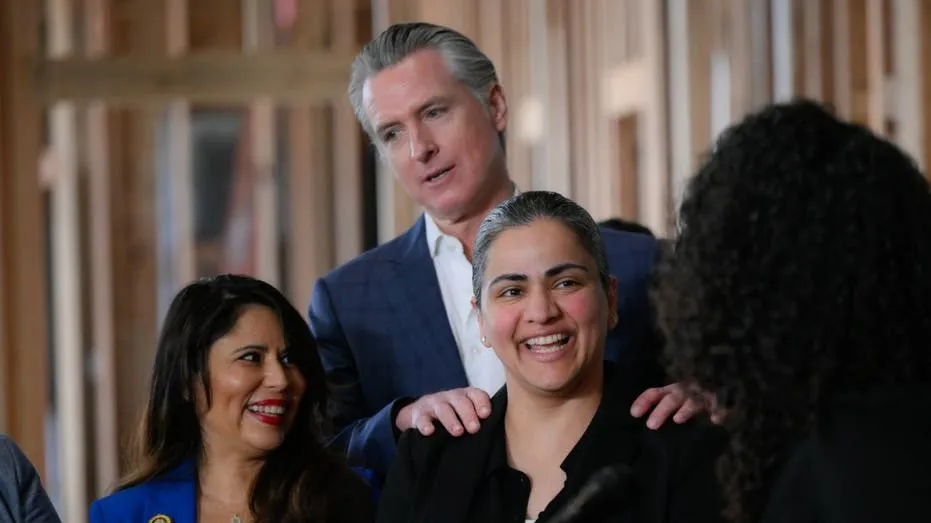
In a significant win for the progressive wing of the Democratic Party, state Senator Aisha Wahab has secured victory in the special election to fill the vacant congressional seat previously held by Representative Eric Swalwell. Wahab, the assistant majority leader in the state Senate, bested Melissa Hernandez, a former public transit executive who represented a more moderate faction within the party. This contest underscored the ongoing internal debate between the Democratic Party’s establishment and its increasingly influential progressive base.
A Clash of Ideologies
The race between Wahab and Hernandez was more than just a contest for a seat in Congress; it was a microcosm of the broader ideological struggle within the Democratic Party. Wahab garnered substantial support from prominent progressive figures, including California Attorney General Rob Bonta, Lieutenant Governor Eleni Kounalakis, and labor leader Dolores Huerta. Her campaign emphasized her progressive credentials and alignment with the party’s left flank. In contrast, Hernandez leaned on significant financial backing from Super PACs and endorsements from local officials, positioning herself as a more centrist alternative.
While progressives have celebrated early-season successes in other states, recent primary results in Michigan and Wisconsin have suggested a more complex picture, with some progressive candidates underperforming expectations. Wahab entered Election Day as the clear frontrunner, having captured a commanding 42.8% of the vote in the special primary, significantly outpacing Hernandez’s 16.8%. This strong primary performance set the stage for her general election triumph.
California’s Unique Primary System
California’s “jungle primary” system played a crucial role in shaping this election. Under this system, the top two vote-getters, regardless of party affiliation, advance to the general election. In this instance, both Wahab and Hernandez, as Democrats, secured the top two spots in the special primary. This outcome effectively precluded any Republican candidate from advancing, a testament to the district’s strong Democratic leanings, as evidenced by President Biden’s comfortable victory there in the 2024 election.
It is important to note that this special election victory is for a limited term, determining who will serve out the remaining two months of Swalwell’s current term. The real contest for a full two-year term in Congress will occur in November, where Wahab and Hernandez are expected to face each other once again. The upcoming general election will also take place under slightly altered district boundaries, reflecting California’s recently redrawn congressional map.
Campaign Trail Tensions and Accusations
The campaign itself was marked by sharp exchanges and accusations, particularly concerning campaign finance and ideological purity. Hernandez’s campaign frequently targeted Wahab over her record in the state legislature, raising questions about alleged missteps and ethical concerns. Wahab, in turn, sought to portray Hernandez as being too closely aligned with conservative and pro-Israel interests, challenging her liberal bona fides.
One notable accusation involved Wahab allegedly circumventing campaign finance laws by directing $60,000 from her state campaign account through the Alameda County Democratic Party, which then funded mailers supporting her congressional bid. Wahab’s campaign responded with its own criticisms, pointing to Hernandez’s fundraising from pro-Israel donors and her benefit from expenditures by pro-Israel Super PACs. The Israeli-Palestinian conflict has increasingly become a divisive issue within the Democratic Party, with progressive factions actively seeking to challenge or unseat Democrats perceived as too supportive of Israel.
Looking Ahead: A Temporary Victory and a Future Rematch
While Wahab’s victory is a clear win for progressives, its immediate impact is limited to the final months of the current congressional term. Historically, incumbents often hold an advantage in subsequent elections, but the upcoming rematch between Wahab and Hernandez in November promises to be closely watched. The dynamics of the race, influenced by national party trends and local district specifics, will determine who ultimately represents the area in Congress for the next two years.
The outcome of this special election, coupled with other recent contests, continues to fuel the debate within the Democratic Party about the direction and influence of its progressive wing. While some see recent results as a sign of potential headwinds for more socialist-aligned candidates, others point to the enduring appeal of progressive policies and politicians, particularly among younger voters, as evidence of continued momentum.


