




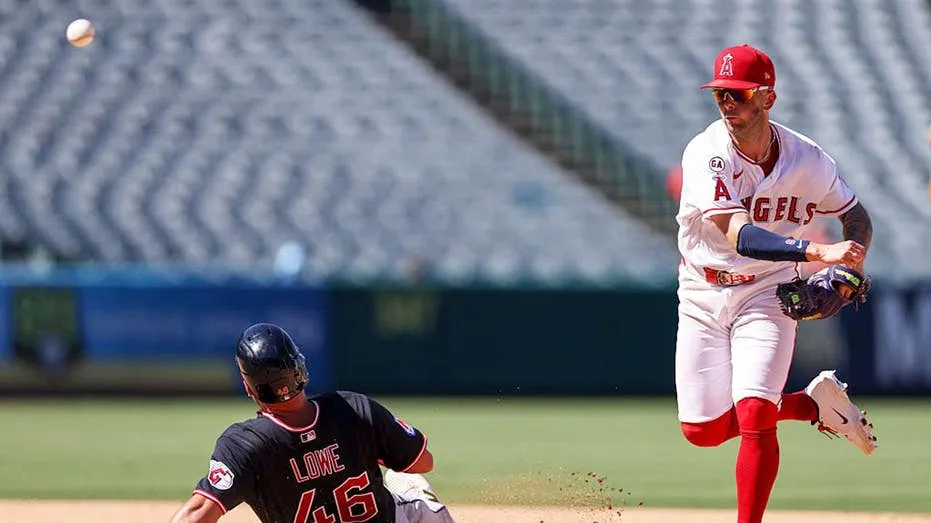
The Los Angeles Angels are facing a stark reality check from their fanbase, as evidenced by a strikingly sparse crowd for a recent weekday game. The team, mired in another disappointing season, hosted the Cleveland Guardians on Wednesday afternoon, and the attendance figures painted a grim picture of fan engagement. While day games on Wednesdays and Thursdays are common in Major League Baseball to accommodate travel schedules, the turnout at Angel Stadium for the series finale was notably low, even by the standards of a struggling team.
A Troubling Turnout
The official attendance for Wednesday’s game was reported as 25,161. However, visual evidence suggested a significantly emptier stadium, leading many to question the figures and express their disappointment. For a team that has largely underperformed for nearly a decade, the sparse crowd sends a clear message of frustration. The Angels haven’t reached the MLB playoffs since 2014, a fact that stings even more considering the franchise once boasted a lineup featuring both Mike Trout and Shohei Ohtani for several seasons.
Fans who did attend voiced their discontent. One supporter described the situation as “embarrassing” and suggested the Angels “should be frightened by the attendance today.” Another fan commented that the crowd resembled those seen during the COVID-19 pandemic, when attendance was heavily restricted. The scene was so striking that it prompted a review of game highlights to ensure the visual wasn’t distorted or misleading.
Decades of Disappointment
The Angels’ recent struggles extend far beyond a single game’s attendance. Their current record of 52 wins and 82 losses places them 16 games back in the American League wild card race. This prolonged period of mediocrity, particularly after years of investing in superstar talent, has clearly eroded fan patience. The last playoff appearance in 2014 feels like a distant memory for a fanbase that has endured consistent disappointment.
Questions arise about whether fans would willingly attend a weekday afternoon game under such circumstances. The team’s current standing, coupled with the inconvenience of a 1 p.m. start time on a Wednesday – a time when many are still at work or school – makes a large turnout unlikely. Yet, the visual emptiness of the stadium suggests a deeper issue than just scheduling conflicts.
Beyond the Schedule: Fan Sentiment
Some have attempted to attribute the low attendance to external factors, such as the weather. Reports indicated a temperature of 92 degrees on game day. While heat can certainly be a deterrent for outdoor events, attributing the near-empty stands solely to the temperature might be an oversimplification. For many fans, the decision not to attend is a direct response to the team’s on-field performance and the franchise’s lack of sustained success.
The message from the fanbase appears unequivocal: the current state of the team is unacceptable. The empty seats are not just a reflection of a single game’s scheduling but a broader statement about the Angels’ direction and their inability to consistently compete. This “embarrassing” turnout serves as a wake-up call for the organization, highlighting the urgent need for change to recapture the interest and support of its disillusioned fanbase.
A Franchise at a Crossroads
The Los Angeles Angels find themselves at a critical juncture. The disconnect between the team’s performance and fan expectations has reached a new low. While official attendance figures might suggest a certain level of support, the reality on the ground tells a different story. The empty seats are a powerful, visual representation of a fanbase that has run out of patience and is demanding better.
Moving forward, the Angels face the challenge of rebuilding trust and demonstrating a commitment to winning. Simply relying on the historical allure of the franchise or the presence of star players has proven insufficient. The organization must address the root causes of this fan apathy, which stem from years of unmet expectations and a lack of sustained on-field success. The message from the stands, or rather the lack thereof, is loud and clear: the team needs to give its fans a reason to show up again.


