




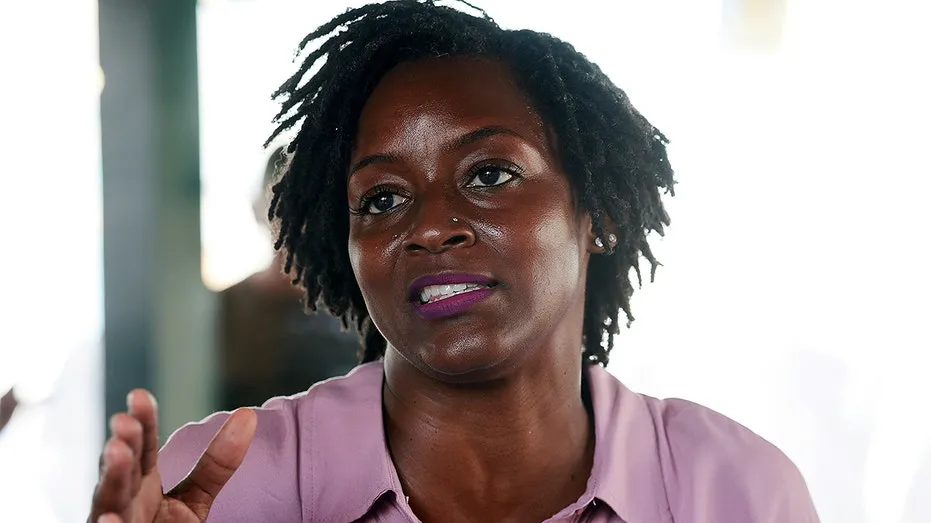
In a significant upset, Florida state Representative Angie Nixon has secured the Democratic nomination for the U.S. Senate, defeating retired Army Lt. Col. Alexander Vindman in Tuesday’s primary election. Nixon, a progressive voice from Jacksonville, will now advance to face Republican incumbent Ashley Moody in November for the chance to complete the remaining two years of former Senator Marco Rubio’s term.
Nixon Triumphs Over High-Profile Opponent
The victory marks a notable achievement for Nixon, who overcame a substantial fundraising disadvantage against Vindman. Vindman, widely recognized for his role as a key witness in the first impeachment proceedings against former President Donald Trump, entered the race with considerable national name recognition and financial backing. Despite this, Nixon’s grassroots campaign resonated with voters, leading to her unexpected win.
Vindman’s campaign had reported approximately $14.6 million in receipts through June 30, a figure that dwarfed Nixon’s reported $625,000 during the same period, according to Federal Election Commission records. This disparity underscores the magnitude of Nixon’s upset victory.
A Look at Angie Nixon’s Background
Nixon, who was first elected to the Florida House of Representatives in 2020, has a background rooted in community and labor organizing. Her campaign highlights her extensive experience as a union organizer, including her roles as state field director for SEIU Florida and director of the Florida Public Service Union’s Higher Education Campaign. Her occupation is listed as “Higher Education Director,” and she is identified as an SEIU member.
During the primary campaign, Nixon articulated several progressive policy positions. She expressed support for abolishing U.S. Immigration and Customs Enforcement (ICE), arguing that existing law enforcement mechanisms are sufficient to manage immigration matters, which she characterized as a civil rather than criminal issue. Nixon also advocated for a nationwide freeze on rent increases for at least one year, attributing escalating housing costs to corporate practices and insurance companies.
When questioned about the financial implications of her policy proposals, such as Medicare for All, and the national debt, Nixon stated her commitment to not raising taxes on the middle class. She emphasized her focus on what she termed the “debt of hardworking, everyday people.” Furthermore, Nixon indicated a desire for new leadership within the Democratic Party, declining to commit to supporting current Senate Majority Leader Chuck Schumer.
Nixon’s affiliation with the Democratic Socialists of America (DSA) also became a topic of discussion. While she stated in July that she was a DSA member, reports from DSA officials on primary night suggested her membership status was unclear, noting past involvement with a local chapter and an unsuccessful bid for the organization’s endorsement. Nixon’s campaign was contacted for clarification on this matter.
Alexander Vindman’s National Profile
Alexander Vindman entered the Senate race as arguably the most recognizable Democrat in the field. His tenure on the National Security Council placed him at the center of the events leading to President Trump’s first impeachment. Vindman’s testimony regarding a 2019 phone call between Trump and Ukrainian President Volodymyr Zelenskyy became a critical element of the subsequent inquiry.
The General Election Contest
The upcoming general election pits Nixon against Republican Senator Ashley Moody. Moody was appointed to the Senate by Florida Governor Ron DeSantis after Rubio’s departure to join the Trump administration. She must now win the November election to secure the seat for the remainder of Rubio’s term.
Nixon’s challenge in November is significant, as Democrats have not won a U.S. Senate election in Florida since 2012. The winner of the general election will serve the two years remaining in Rubio’s term, with the seat then up for a full term election in 2028.
Conclusion
Angie Nixon’s primary victory represents a significant shift in Florida’s political landscape, demonstrating the power of grassroots organizing against established national profiles and financial advantages. Her general election contest against Ashley Moody is poised to be a closely watched race, with implications for the balance of power in the U.S. Senate and a long-standing Democratic struggle to regain a foothold in statewide Florida elections.


