




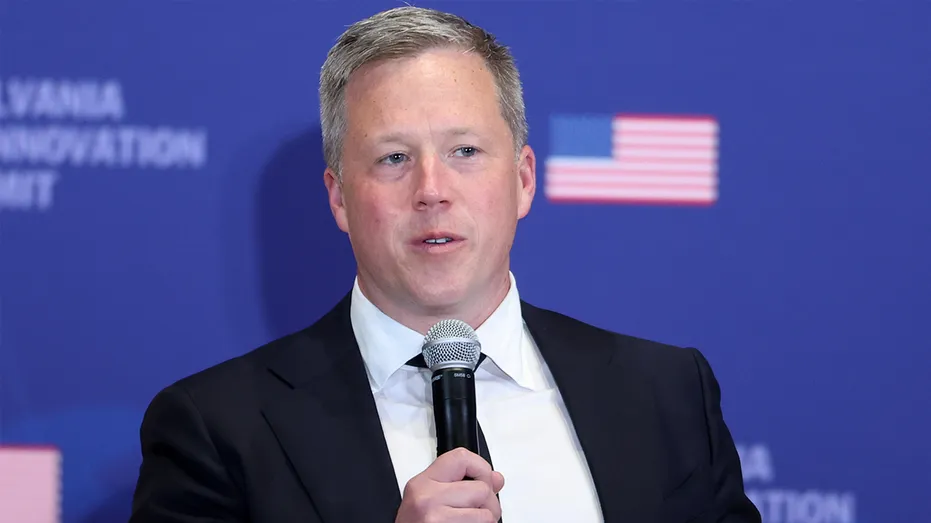
Army Secretary Dan Driscoll has submitted his resignation to President Donald Trump, a senior U.S. official has confirmed. The departure, however, is not yet final, as the White House has not formally accepted the offer. Sources indicate that Driscoll is expected to leave his post at the Pentagon in the very near future.
Potential Departure Amidst Pentagon Dynamics
The timing of Secretary Driscoll’s resignation offer comes at a particularly dynamic period within the Department of Defense. While the official reasons for his departure remain undisclosed, reports suggest that ongoing tensions may exist between Driscoll and Defense Secretary Pete Hegseth. Such internal dynamics can often influence high-level personnel decisions, though the exact nature and impact of these specific tensions are not publicly detailed.
Background of Dan Driscoll’s Tenure
Dan Driscoll assumed the role of Secretary of the Army, a civilian leadership position responsible for the overall management and direction of the Army, under the Trump administration. His tenure has overseen various initiatives and challenges facing the U.S. Army, from modernization efforts to global operational demands. The specific accomplishments or controversies during his time in office would provide further context to his decision to resign.
The Role of the Army Secretary
The Secretary of the Army is a crucial position appointed by the President and confirmed by the Senate. This individual serves as the principal advisor to the President and the Secretary of Defense on Army matters. Key responsibilities include:
- Developing and executing Army policies and programs.
- Overseeing the Army’s budget and resource allocation.
- Ensuring the readiness and welfare of Army personnel.
- Representing the Army in interagency and international forums.
The departure of any service secretary can signal shifts in administrative priorities or reflect underlying challenges within the military branch.
The Significance of a Resignation
A resignation, particularly one that is pending acceptance, can be a complex process. It allows for a period of transition, ensuring that critical functions continue without immediate disruption. The President’s decision to accept or reject a resignation can carry political weight, signaling confidence or a desire for continuity. In this instance, the fact that the resignation has been submitted but not yet accepted leaves the situation open to further developments.
Potential Implications and Future Outlook
The departure of a high-ranking official like the Army Secretary often prompts speculation about the future direction of the military branch. Questions arise regarding who might be considered for the role, what policy changes might follow, and how the transition will impact ongoing operations and strategic goals. The relationship between the Army Secretary and the Secretary of Defense is particularly critical for seamless coordination and effective national defense strategy. Any reported tensions, therefore, warrant attention as the situation unfolds.
As this is a developing story, further details regarding the acceptance of Secretary Driscoll’s resignation and the reasons behind his decision are anticipated. The coming days will likely bring more clarity on the transition process and its implications for the U.S. Army.


