




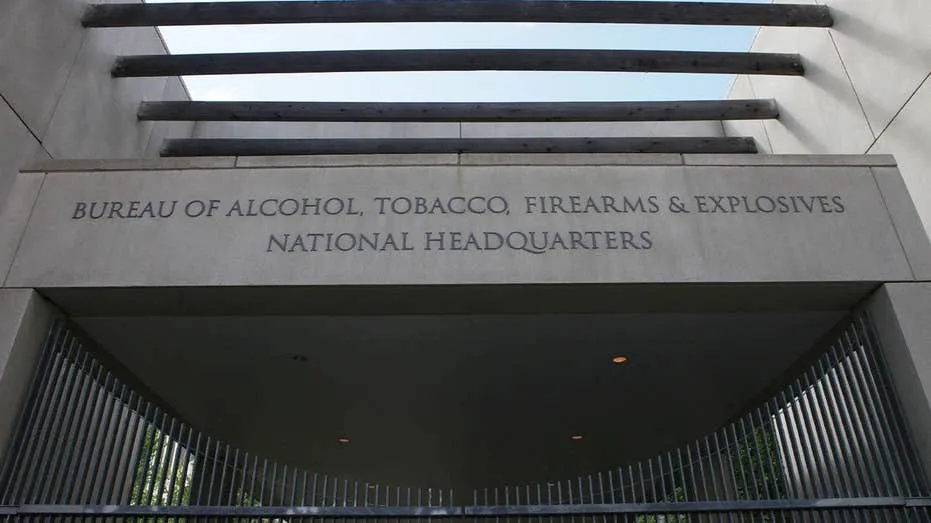
The Bureau of Alcohol, Tobacco, Firearms and Explosives (ATF) is currently investigating a significant cybersecurity incident that has impacted a standalone system within the agency. Senior officials at the Justice Department have officially classified this event as a “major incident” according to established federal protocols. This announcement comes shortly after the ransomware group Qilin reportedly claimed responsibility for the attack, according to reports from cybersecurity news outlets monitoring the group’s activity on its dark web leak site. However, Qilin has yet to present any concrete evidence to support its claim, and the ATF has not officially attributed the breach to this specific group.
Incident Details and Agency Response
The ATF has clarified that the compromised system operates independently from the agency’s main operational network. Crucially, there is currently no indication that the broader ATF network, including its eForms system or any other critical infrastructure, has been affected. Upon discovering the incident, the agency took immediate action by disconnecting the affected environment. This was followed by the initiation of comprehensive forensic and incident-response efforts to understand the scope and nature of the breach. The ATF is working closely with the Justice Department throughout the ongoing investigation.
While the agency has confirmed the “major incident” designation and stated that all required notifications have been made, specific details remain undisclosed. The ATF has not yet identified the particular system that was breached, nor has it revealed when the incident was first detected. Furthermore, information regarding whether any data was accessed or exfiltrated by the attackers is still pending.
Ransomware Group’s Allegations
Reports from cybersecurity sources, including Cybernews and breach-monitoring service GalaxyWarden, indicated that Qilin had listed the ATF as a victim on its leak site. These reports suggest that the group claims to have obtained files from the agency. However, both sources noted that Qilin had not provided substantiating evidence or specific details to back up these assertions. GalaxyWarden specifically stated that it had not independently verified the ransomware group’s claims.
Impact on Operations and Public Cooperation
Despite the seriousness of the cybersecurity event, the ATF has assured the public that its operations have not been disrupted. The agency maintains that its ability to carry out its essential missions remains unaffected. In an effort to gather more information and potentially identify those responsible, the ATF has issued a public appeal. The agency is asking anyone who may have relevant information about this incident to contact the ATF Tipline at 1-888-ATF-TIPS (1-888-283-8477).
Understanding Cybersecurity Incidents and Ransomware
Cybersecurity incidents, particularly those involving ransomware, pose a significant threat to government agencies and private organizations alike. Ransomware attacks typically involve malicious actors encrypting a victim’s data and demanding a ransom payment for its decryption. In some cases, attackers may also steal sensitive data and threaten to release it publicly if the ransom is not paid, a tactic known as double extortion.
The Role of the Justice Department and Federal Guidelines
The designation of an incident as a “major incident” by senior Justice Department officials triggers specific federal reporting and response requirements. These guidelines are designed to ensure that significant cybersecurity events receive appropriate attention, resources, and inter-agency coordination. The involvement of the Justice Department underscores the gravity with which such breaches are treated, especially when they affect federal agencies.
Forensic Investigations and Incident Response
When a cybersecurity incident occurs, a thorough forensic investigation is paramount. This process involves meticulously examining digital evidence to determine the entry point of the attack, the methods used by the perpetrators, the extent of the compromise, and what data, if any, was affected. Incident response teams work to contain the breach, eradicate the threat, and restore affected systems securely. The ATF’s swift action in disconnecting the system and launching these efforts is a standard, albeit critical, part of managing such events.
The Qilin Ransomware Group
While the ATF has not confirmed Qilin’s involvement, the group has been active in the cybersecurity landscape. Understanding the modus operandi of known ransomware groups can provide context, though it is essential to rely on confirmed facts rather than unverified claims. Cybersecurity researchers continuously monitor the activities of these groups, tracking their tactics, techniques, and procedures, as well as their targets and leak site activities. The lack of evidence provided by Qilin in this instance highlights the importance of verification in cybersecurity reporting.
Conclusion
The ATF’s ongoing investigation into this “major” cybersecurity incident, coupled with Qilin’s unsubstantiated claims, highlights the persistent and evolving nature of cyber threats facing government entities. The agency’s commitment to transparency, while respecting the integrity of the investigation, is crucial. The focus remains on understanding the full scope of the breach, securing its systems, and ensuring that its critical missions continue without interruption. The public’s assistance through the provided tipline is a valuable component in the broader effort to address such security challenges.


