




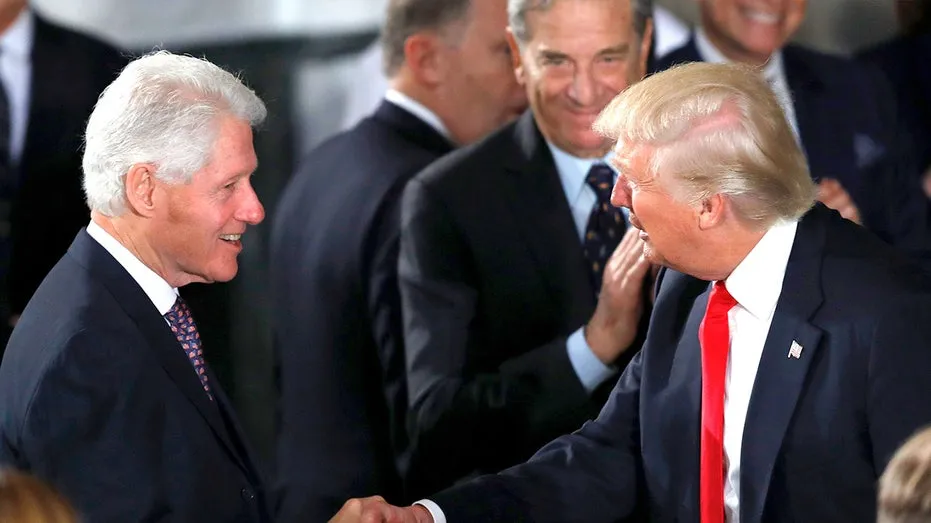
As the United States approached its 250th anniversary, former President Bill Clinton issued a pointed statement reflecting on the nation’s founding ideals and expressing deep concern over its current trajectory. Released on a Saturday, Clinton’s remarks, shared via the social platform X, urged Americans to resist division and reaffirm the principles upon which the country was built, without directly naming President Donald Trump.
A Nation at a Crossroads
Clinton articulated a somber view of the present moment, stating, “Today, we celebrate this milestone amid another period of deep division, renewed questions about America’s future and role in the world, and serious threats to our own institutions and to our democracy itself.” His commentary underscored a sense of national unease, suggesting that the country was grappling with significant challenges to its foundational principles and global standing.
The former president’s critique extended to what he perceived as the overreach of governmental power and the erosion of civil liberties. “The people in charge have unleashed masked agents on American communities to seize people from their homes, workplaces and the street,” Clinton asserted. He further condemned actions taken without clear justification or foresight, stating, “They have started an unconstitutional war on a whim, with no clear objectives or exit strategy, and zero regard for the consequences to the lives of millions of people around the world.”
Concerns Over Governance and Judiciary
Clinton’s criticism also targeted the federal government and the judicial system. He expressed alarm over the alleged “weaponization of government to settle personal scores, prosecute enemies, stamp out free speech and made the federal government a new profit center for themselves and their allies.” He specifically mentioned the role of “lifetime appointees to the Supreme Court and a compliant Congress” in enabling these actions, suggesting a concerted effort to undermine democratic norms and institutions for political gain.
These remarks came as President Trump was participating in separate America250 events in Washington, D.C. During these events, Trump characterized the current era as a “Golden Age” for America, highlighting his administration’s perceived successes, the strength of the U.S. military, and a positive economic outlook. His message focused on national pride and the achievements of his presidency.
Divergent Visions for America’s Future
While both leaders acknowledged the significance of the nation’s upcoming anniversary, their public statements revealed starkly contrasting perspectives on the state of the country. Clinton’s call to action focused on the need to preserve democratic institutions by prioritizing “common purpose over political grievance” as the nation embarks on its next 250 years. He encouraged a forward-looking approach, emphasizing the importance of unity and shared values.
In contrast, President Trump’s Independence Day address celebrated the nation’s founding while simultaneously promoting his administration’s agenda. He criticized progressive policies and championed priorities such as election integrity, border security, and a renewed emphasis on patriotism. His message resonated with a base that felt his leadership had revitalized the country.
The differing messages from the former and current presidents highlighted the deep political polarization within the United States. Clinton’s statement served as a stark reminder of the ongoing debates about the nation’s identity, its governance, and its place in the world, particularly as it stood on the cusp of a significant historical milestone. His critique, though indirect, was widely interpreted as a challenge to the prevailing political climate and the leadership guiding the nation.
Looking Ahead: The Next 250 Years
As Americans contemplated the nation’s past achievements and future challenges, Clinton’s words invited a broader conversation about the health of American democracy. His emphasis on foundational ideals and the dangers of division resonated with those concerned about the current political landscape. The contrast with Trump’s more celebratory and self-congratulatory message underscored the significant ideological divides shaping the nation’s discourse.
The former president’s statement served as a call to civic engagement, urging citizens to actively participate in safeguarding democratic institutions. By invoking the nation’s founding principles, Clinton aimed to galvanize support for a more unified and principled approach to governance, setting a tone of caution and reflection amidst the national celebrations.


