

Caitlin Clark Controversy Highlights Sportswriting’s Political Pitfalls
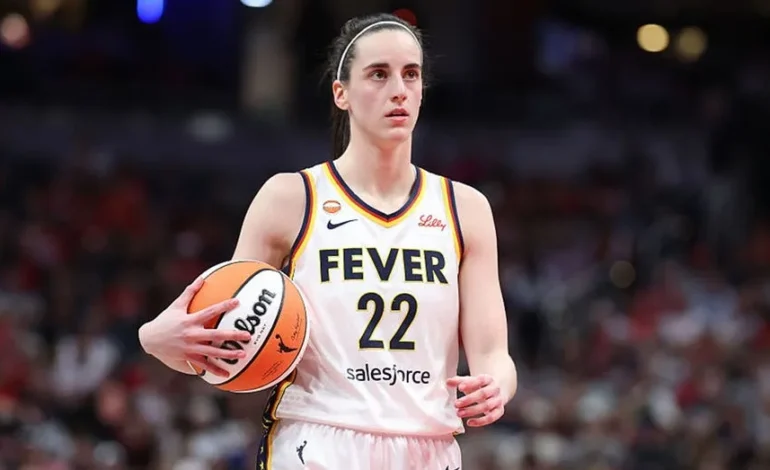

A recent column by Nancy Armour of USA Today Sports targeting WNBA star Caitlin Clark has ignited a firestorm, exposing what many see as a broader malaise within modern sports journalism. The article, widely criticized for its bizarre and offensive comparisons, has become a focal point in discussions about objectivity, political bias, and the direction of sports media.
Armour’s Controversial Critique of Caitlin Clark
Caitlin Clark has captivated the basketball world with her exceptional talent, flashy play, and remarkable shooting ability, making her arguably the WNBA’s most popular player. However, a recent piece by USA Today columnist Nancy Armour suggested that Clark’s race is a significant factor in the perceived animosity from some sports media figures. Armour’s column, which touched on Clark’s on-court demeanor and interactions with officials, veered into contentious territory with several points that drew sharp criticism.
While Armour raised some valid points regarding Clark’s occasional tendency to flop or her vocal exchanges with referees—issues that the 24-year-old player might consider addressing—other aspects of the critique were deemed by many to be irrational and unfounded. One particularly striking claim was that Clark’s arguments with officials could put Black and queer WNBA players “in danger.” This assertion was met with disbelief, especially given that Clark herself has frequently been the target of aggressive fouls and has received limited protection from referees.
The Emmett Till Comparison: A Line Crossed
The most incendiary element of Armour’s column was the comparison of Caitlin Clark’s actions to the tragic historical event of Emmett Till’s lynching. Till, a 14-year-old Black boy, was brutally murdered in Mississippi in 1955 after being accused of offending a White woman. Armour’s column drew a parallel, suggesting that Clark’s on-court behavior could somehow lead to consequences akin to Till’s fate, particularly as the WNBA All-Star Game was scheduled for Chicago, Till’s hometown, where an art exhibit commemorating his life was also being held.
Armour wrote, “While it’s incumbent on the WNBA to do more to protect its players, there also should be an expectation on Clark to recognize the wider consequences of her actions.” The implication that a basketball player’s complaints about fouls could be linked to a horrific act of racial violence was widely condemned as offensive and illogical. Following the backlash, Armour issued an apology, calling the comparison “inartful.”
Broader Concerns About Sports Media’s Objectivity
This incident is being viewed by critics not as an isolated mistake but as a symptom of a larger problem within sports journalism. Many argue that an increasing number of sportswriters and media personalities are allowing their political viewpoints to overshadow objective reporting. This trend, they contend, is detrimental to the credibility and integrity of sports media, leading to a loss of audience trust, declining ratings, and diminished prestige.
Examples cited in the discourse include a range of media figures and outlets accused of injecting progressive political ideology into sports coverage. Critics point to instances where athletes’ actions or team visits to the White House have been framed through a partisan lens, or where commentary has focused more on social or political issues than on athletic performance. This perceived shift away from traditional sports reporting is seen by some as alienating audiences who primarily seek sports analysis and entertainment.
The Impact on Athletes and Fans
The intense scrutiny and politicization of athletes like Caitlin Clark raise questions about the environment being created for both players and fans. While Clark has publicly advocated against the misuse of her name for racist purposes or harassment of opponents, the narrative surrounding her often seems to extend beyond her athletic achievements. This can place undue pressure on athletes and potentially distort public perception of their actions and intentions.
Furthermore, fans who engage with sports media are increasingly finding themselves exposed to commentary that feels more like political activism than sports analysis. This can lead to frustration and a sense of disconnect, particularly for those who prefer to keep sports and politics separate. The debate surrounding Armour’s column underscores a growing demand for sports media to return to its core mission: celebrating athletic achievement and providing insightful, unbiased coverage of the games and athletes fans care about.
Conclusion: A Call for Balanced Sportswriting
The controversy surrounding Nancy Armour’s column serves as a stark reminder of the challenges facing contemporary sports journalism. The pressure to engage with social and political issues is undeniable, but the manner in which these topics are integrated into sports coverage is critical. When comparisons become offensive and arguments stray into the realm of the irrational, the credibility of the journalist and the publication suffers. The incident highlights a pressing need for a renewed commitment to objectivity, fairness, and nuanced reporting within sports media, ensuring that the focus remains on the athletes and the games they play, rather than on divisive political agendas.