




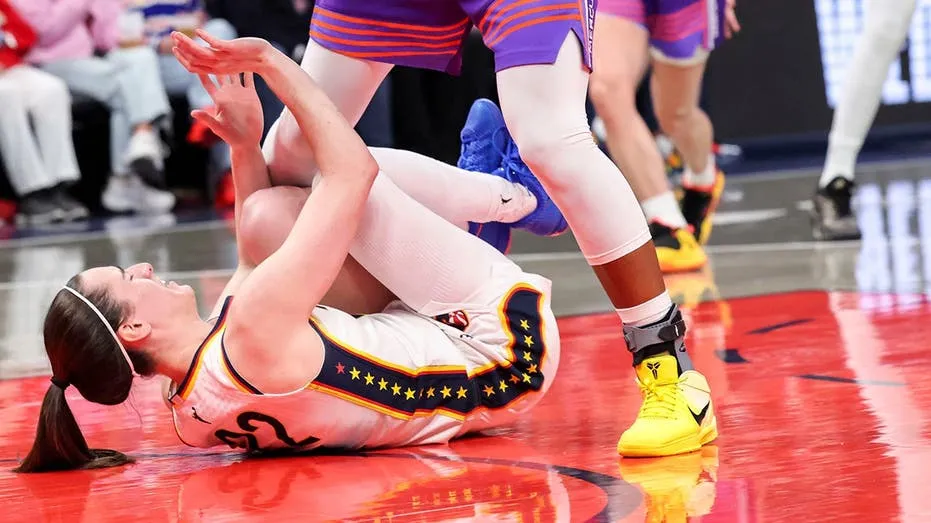
Caitlin Clark, the highly publicized rookie sensation, found herself at the center of another controversial play Wednesday night. During a game, Phoenix Mercury forward Alyssa Thomas appeared to strike Clark in the throat. The officials on the court did not immediately call a foul. The league later announced a one-game suspension for Thomas following the incident.
Debate Erupts Over Race and On-Court Treatment
Following the incident and subsequent suspension, discussions intensified regarding the nature of the fouls directed at Clark. Analysts and commentators found themselves divided, particularly on whether race plays a role in how Clark is officiated and perceived within the league.
Some media personalities pushed back against any suggestion that race was a factor in the play. ESPN analyst Louis Riddick commented on social media, questioning the tendency to link every issue to race. He expressed frustration with what he perceived as an overemphasis on racial interpretations in sports discussions.
Jemele Hill, a prominent sports journalist, took a different stance. She suggested that those who believed the foul should have been called were implying Clark, identified as straight and white, should receive preferential treatment. Hill has previously spoken about race and sexuality influencing Clark’s popularity and marketability in women’s basketball.
In 2024, Hill told the Los Angeles Times that acknowledging the role of race and sexuality in Clark’s success was crucial, suggesting it presented a “problematic” dynamic for existing players. Other figures, including ESPN analyst Monica McNutt and other media outlets, have also explored the idea that Clark’s appeal, particularly to young white female fans, is linked to her identity.
Past Narratives and Shifting Perceptions
This latest incident adds to a growing pattern of physical play directed at Clark. Previously, when Chennedy Carter made contact with Clark in 2024, some characterized it as simply “playing basketball.” However, the frequency and intensity of subsequent fouls have made that explanation increasingly difficult to maintain.
The narrative appears to be shifting. While the fouls are now more widely acknowledged, the suggestion that they reflect a broader pattern of targeted play is often met with dismissal. This has led to accusations that those who previously argued race influenced Clark’s advantages are now unwilling to consider it when examining the disadvantages she faces, including officiating.
Indiana Fever coach Stephanie White expressed her concern after Wednesday’s game, noting that Clark, a “generational talent and WNBA superstar,” had been subjected to “two cheap shots right there, that weren’t called.” White added, “She is not called the way everybody else is called.”
Generational Talent or Target?
The question of why Clark might be officiated differently remains a point of contention. Some suggest that years of commentary framing Clark’s success through a racial lens may have influenced perceptions within the league, potentially fostering resentment among some players.
Despite the ongoing discussions, Clark is increasingly viewed by some as a “generational talent” with an electrifying style of play, drawing comparisons to iconic athletes. However, the repeated on-court physical altercations have led others to describe her as a “great White target.”
The defensive reactions from some commentators are seen by critics as a consequence of their own years-long emphasis on interpreting Clark’s career through a racial framework. Now, as others apply that same framework to her treatment on the court, the situation has become a point of significant debate.


