




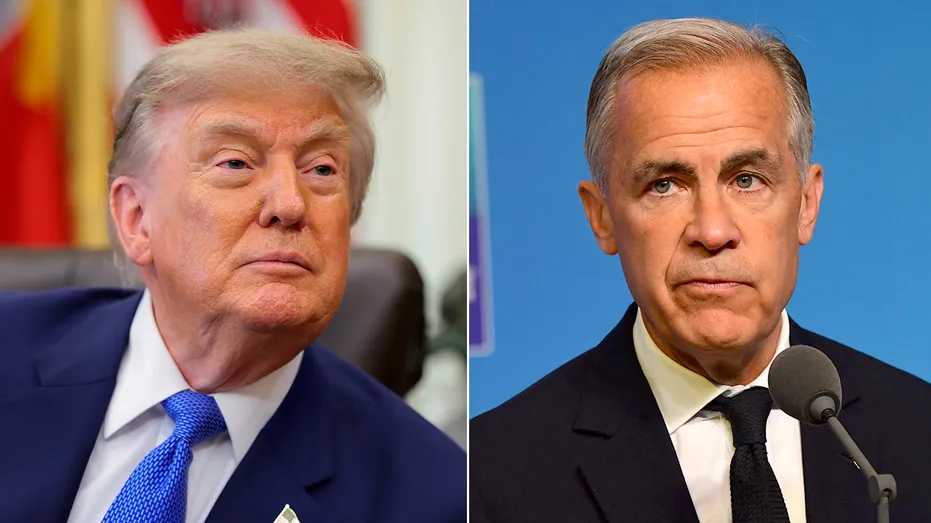
Negotiations between the United States and Canada over trade barriers have officially broken down, with a top U.S. trade official asserting that Canada walked away from a favorable agreement that would have preserved its existing trade relationship. The collapse of these talks has paved the way for new U.S. tariffs, amounting to 50% on approximately $20 billion worth of Canadian imports, which have now taken effect.
Talks Collapse Amid Tariff Dispute
Jamieson Greer, the U.S. Trade Representative, stated that no further discussions are currently scheduled with Canada. He explained the U.S. objective is to safeguard American workers and domestic supply chains. “We’ve been offering to bring the Canadians along on that path, really to cut the tariffs on them on steel, on autos, even lumber, things that are sensitive for them,” Greer said during an interview on “Fox & Friends Weekend.” He emphasized that Canada had been presented with an excellent deal and still had the opportunity for an even better one, but chose not to pursue it.
The trade negotiations were suspended late Friday by Canadian Prime Minister Mark Carney. Carney cited “unfair” last-minute alterations to the proposed terms by Washington as the reason for halting discussions. Following this, Canada announced its intention to implement retaliatory tariffs against the United States.
Canada’s Stance on Trade Relations
In a statement released Friday, Prime Minister Carney declared that Canada would match U.S. tariffs on a dollar-for-dollar basis to protect its own workers and businesses. “We have recognised from the beginning that America has changed, and that we will not return to our old relationship,” Carney stated. He elaborated that his government understood early on that the U.S. was altering its trade relationships, including imposing tariffs on allies and charging for market access.
Carney asserted Canada’s self-determination in trade matters. “Canada has what the world wants. And we will not allow any nation to determine our future. We will set our own course to keep building Canada strong for all,” he added.
Future of Trade Talks Uncertain
Regarding the possibility of future trade talks, Greer expressed uncertainty about when they might resume. “We don’t have new talks planned with the Canadians. We’re moving forward with measures that respond to Canadian retaliation,” Greer explained. He also noted that both Canada and the People’s Republic of China have retaliated against the United States following President Trump’s implementation of a trade policy aimed at reshoring American production and protecting domestic jobs.
Background of the Trade Dispute
The imposition of tariffs by the U.S. administration has been a significant feature of its trade policy, aiming to address perceived trade imbalances and protect American industries. The specific tariffs now affecting Canadian imports target key sectors, reflecting ongoing tensions in the bilateral trade relationship. Canada’s response, mirroring the U.S. tariff levels, signals a firm stance in defending its economic interests.
This escalating trade friction underscores a broader shift in global trade dynamics, characterized by increased protectionist measures and a reevaluation of long-standing trade agreements. The U.S. administration’s focus on “America First” policies has led to significant adjustments in its trade relationships with key partners, including Canada, its largest trading partner.
The breakdown in negotiations highlights the challenges in reaching mutually agreeable terms when national economic interests and political priorities diverge. The U.S. has emphasized the need to protect its workers and industries, while Canada has stressed the importance of reciprocity and fairness in trade dealings.
Economic Implications
The new tariffs are expected to have tangible economic consequences for both countries. For the U.S., the goal is to encourage domestic production and job creation. However, retaliatory tariffs from Canada could impact American exporters, potentially leading to reduced sales and market access in a crucial neighboring market.
For Canada, the tariffs represent a challenge to its export-oriented economy. The government’s commitment to matching U.S. tariffs dollar-for-dollar indicates a strategy to mitigate the impact on Canadian businesses and workers by imposing similar costs on U.S. imports. The ultimate economic fallout will depend on the duration of these trade measures and the ability of businesses in both nations to adapt to the changing trade landscape.
The situation remains fluid, with the possibility of future negotiations or further escalations in trade actions. The U.S. administration’s trade policy approach, focused on bilateral negotiations and the use of tariffs as leverage, continues to shape international trade relations.


