



College Football: Can vs. Haven’t Won a National Championship
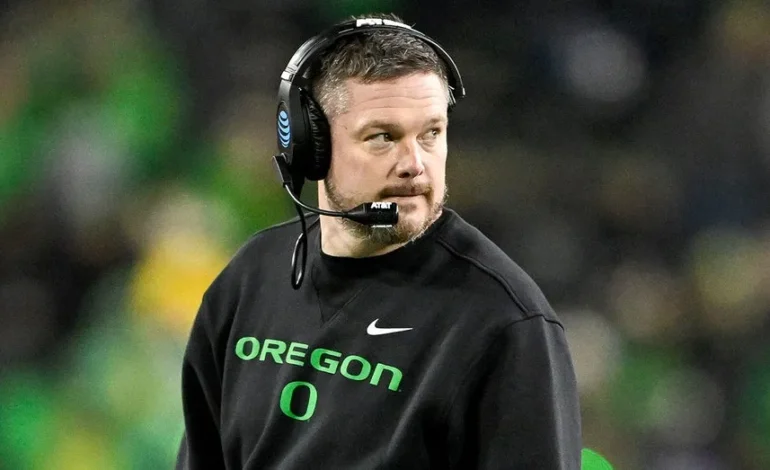

As the college football season approaches, the familiar hum of offseason debates is set to be replaced by the roar of the crowd and the thrill of the game. Yet, one perennial argument seems destined to persist: the debate over which coaches are truly capable of winning a national championship. Social media feeds are already buzzing with pronouncements that certain prominent figures, like Dan Lanning of Oregon and Steve Sarkisian of Texas, simply “will never” or “can’t” achieve college football’s ultimate prize. This discussion, however, often overlooks a crucial distinction: the difference between a coach who is incapable of winning a title and one who simply hasn’t yet.
The Sheer Difficulty of Winning a National Title
To understand the nuance, consider the mathematical reality of college football. In any given year, there are 138 Football Bowl Subdivision (FBS) teams vying for a single national championship. The odds are inherently stacked against any single program. When you factor in the limited number of active coaches who have actually hoisted the championship trophy – currently only four: Dabo Swinney, Kirby Smart, Ryan Day, and Curt Cignetti – the rarity of this accomplishment becomes starkly clear.
Labeling young, talented coaches like Sarkisian and Lanning as incapable of winning a championship feels premature. They are in positions where reaching the College Football Playoff and competing for the title is a realistic expectation. While the probability of winning is low, as it is for every coach in the sport, their potential to do so is undeniable. They possess the capability; they just haven’t achieved it yet.
The Shifting Goalposts of Championship Expectations
History offers compelling examples of coaches who faced similar skepticism. Kirby Smart, now a two-time national champion at Georgia, was once subjected to the very same criticisms leveled at Lanning and Sarkisian today. Whispers of him being unable to “get over the hump,” “choking in big games,” or being perpetually overshadowed by his mentor, Nick Saban, were common. Yet, he persevered and ultimately led the Bulldogs to glory, not once, but twice.
The narrative then shifted to Ohio State’s Ryan Day. The same doubts and criticisms that once plagued Smart were resurrected and aimed at Day. The cycle of doubt continued until he, too, secured a national championship. In both instances, the critics didn’t retract their previous judgments; they simply redirected their focus to the next prominent coach who had yet to win the big one.
Currently, Lanning and Sarkisian find themselves in the crosshairs of this cyclical debate. This pattern is a predictable, albeit often unfair, aspect of the college football landscape. The pressure to win a national title is immense, and the public discourse often simplifies complex coaching careers into a binary of success or failure based on a single, ultimate achievement.
Understanding the ‘Can’ vs. ‘Haven’t’ Distinction
The core of the issue lies in distinguishing between a coach’s inherent ability and their current record. A coach who “can” win a national championship possesses the strategic acumen, recruiting prowess, and leadership qualities necessary to build a championship-caliber program. They are capable of navigating the intense pressure, outmaneuvering top competition, and ultimately achieving the pinnacle of the sport.
Conversely, a coach who “hasn’t” won one may simply be in the process of building their program, facing exceptionally tough competition, or perhaps hasn’t had the right alignment of circumstances. Their lack of a championship to date does not automatically equate to an inability to win one in the future. Many successful coaches endured periods without a title before finally breaking through.
The Reality of Program Building
Building a championship program is a marathon, not a sprint. It requires sustained excellence in recruiting, player development, and coaching strategy year after year. Factors like player injuries, the emergence of rival dynasties, and even sheer luck can play significant roles in the outcome of a single season.
Coaches like Lanning and Sarkisian are still relatively early in their tenures at their respective Power Five programs. They are actively recruiting top talent and demonstrating the ability to compete at a high level. To dismiss their potential based on the fact that they haven’t yet won a national championship ignores the developmental stage of their programs and the inherent challenges of the sport.
Looking Ahead
As the college football season kicks off, fans and analysts should approach these discussions with a greater appreciation for context and nuance. The journey to a national championship is arduous, and many capable coaches will face the challenge throughout their careers. While some coaches may indeed prove incapable of reaching that summit, it is often more accurate to acknowledge that they simply “haven’t” won one yet. The difference is significant, reflecting potential and process rather than a definitive lack of ability.
The pressure cooker of college football will undoubtedly continue to generate these debates. However, understanding the distinction between a coach’s potential and their current accolades provides a more accurate and fair assessment of their careers. For coaches like Lanning and Sarkisian, the opportunity to prove their capability is ongoing, and the possibility of adding a national championship to their résumés remains very real.