




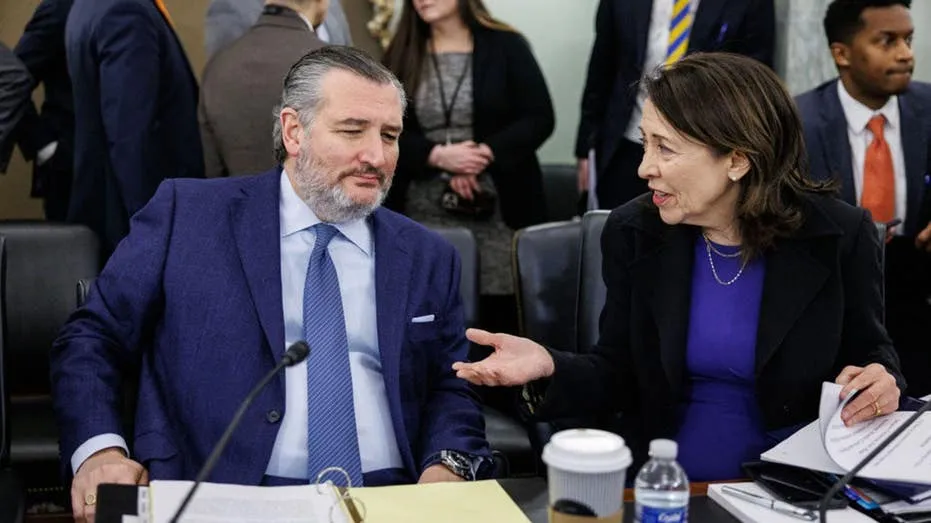
As the Southeastern Conference (SEC) gathered for its annual football kickoff in Florida, a critical legislative effort in Washington D.C. loomed large. The ‘Protect College Sports Act,’ designed to establish clear rules for Name, Image, and Likeness (NIL) deals, player eligibility, transfer protocols, and even conference realignment, is facing a tight deadline. Senators Ted Cruz (R-Texas) and Maria Cantwell (D-Washington) are working to secure buy-in from key stakeholders, particularly the influential SEC and Big Ten conferences, before Congress adjourns for its August recess.
Legislative Push Faces Time Crunch
The bipartisan bill aims to bring much-needed structure to the increasingly complex landscape of college athletics, steering it away from the courtroom and toward a more stable framework. Following years of advocacy and previous legislative attempts like the SCORE Act, a divergence of opinion persists regarding the extent of federal intervention desired. Despite numerous meetings this week, the proposed revisions to the bill had not yet been formally presented to either the SEC or Big Ten by Thursday evening.
Senate Majority Leader John Thune underscored the urgency, indicating that the legislation was unlikely to reach the Senate floor before the impending August recess. However, sources close to the legislative process suggest that Senators Cruz and Cantwell are diligently working to advance the bill before the break, concurrently refining its language in response to feedback from the conferences. The notion that the bill is stalled has been countered by reports of ongoing, late-night negotiations, suggesting continued momentum.
“They’re working on language through the night, and that’s probably not how they’d be spending their Thursday night if there wasn’t a chance,” stated Ansley Lacitis, a spokesperson for Senator Cantwell, highlighting the persistent efforts to find common ground.
SEC and Big Ten Voice Concerns Over Current Draft
While both the SEC and Big Ten have previously sought congressional assistance, they express reservations about the current iteration of the ‘Protect College Sports Act.’ A primary point of contention revolves around provisions that could potentially limit their ability to expand and add new member institutions in the future. Furthermore, the section addressing the pooling of media rights has generated significant opposition from leaders within these major conferences, who fear it could negatively impact future revenue streams from television deals.
SEC Commissioner Greg Sankey commented on the significance of the August timeline during a recent interview. He emphasized that delaying the bill’s progress until after the recess could lead to it being overshadowed by other pressing legislative matters, such as budget battles, once Congress reconvenes in September. Sankey acknowledged the considerable effort and energy invested by the senators in attempting to adjust the legislation.
“I consider it a milestone (August timeline), the August recess,” Sankey explained. “Congress does return in September. Then once they’re through in September, you have budget battles, we’ve seen how those play out. So, it is important to try and keep moving, that has been a part of our communication, and there has been a lot of energy and effort expended by Senators, which we appreciate, to try and make adjustments.”
He added, “I think the reality is, if a bill is produced and advances, and it’s eventually signed into law, the view will be we’ve solved those problems. And, Congress is going to move onto taxation, funding whatever, international issues. You just make a list, they have a lot of important issues, and they’re not coming back to close gaps or solve problems. That’s why since the act was introduced, we’ve been focused on common sense adjustments to close the loopholes and make this manageable. There’s energy and effort in that, but that doesn’t mean we’re at the finish line yet.”
Potential for Support Hinges on Revisions
A key factor that could unlock greater support from the SEC and Big Ten lies in the perception of the media rights pooling provision. If conference officials believe this aspect is truly voluntary, as Senators Cruz and Cantwell have asserted, their backing might increase. However, as of Thursday evening, the conferences were still awaiting the revised language incorporating their input, leaving their full support in limbo.
The path forward for the ‘Protect College Sports Act’ remains complex. Legislators and conference officials alike acknowledge the ongoing work to bring the bill to the Senate floor. The challenge lies in distilling a multifaceted issue, impacting nearly every facet of college athletics, into a cohesive legislative text. The potential limitations on conference expansion and revenue sharing have undoubtedly created significant hurdles.
Even if revised language is presented and agreed upon by congressional leaders, the SEC, and the Big Ten, its passage into law is not guaranteed, especially with the House of Representatives facing its own considerations ahead of the midterm elections. The dynamic nature of college sports suggests that legal challenges, particularly concerning player eligibility, are likely to continue emerging, regardless of legislative progress.
Conclusion: A Race Against the Recess
With the August recess rapidly approaching, the ‘Protect College Sports Act’ is in a critical phase. The efforts of Senators Cruz and Cantwell to bridge the gap between legislative intent and the practical concerns of major athletic conferences are paramount. The coming days will be crucial in determining whether a consensus can be reached, allowing the bill to advance before Congress adjourns, or if the complex issues plaguing college sports will face further delays.


