



Costco Tops List for High-Income Grocery Shoppers, Survey Reveals
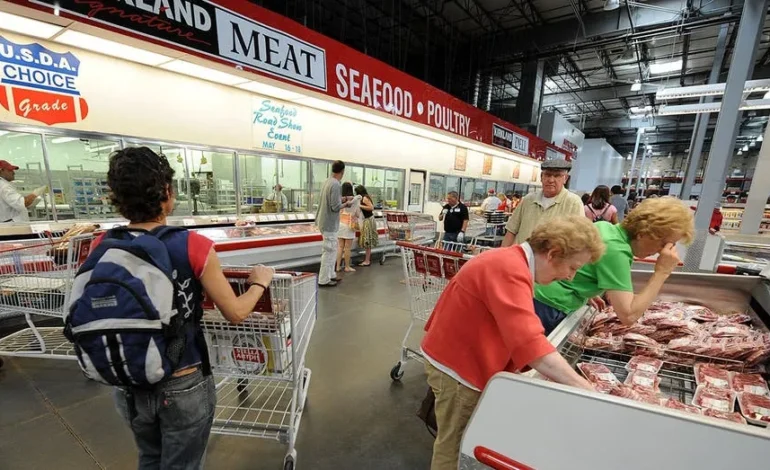

When it comes to stocking their pantries, a significant portion of affluent Americans are bypassing trendy specialty stores and heading to a familiar warehouse giant: Costco. A recent survey indicates that 11% of individuals earning $150,000 or more annually identify Costco as their primary grocery shopping destination. This finding challenges the common perception that high-income consumers exclusively frequent upscale grocers.
High-Income Households Favor Costco for Groceries
The survey, conducted by YouGov, defined higher-income households as those with annual earnings exceeding $150,000, a threshold representing more than double the U.S. median household income. While 14% of these respondents opted for “other” when asked about their main grocery store, Costco emerged as the leading specific retailer. Following Costco were Kroger at 10% and Walmart Supercenter at 8% among this demographic.
This preference for Costco, a retailer known for its bulk items and membership-based model, highlights a focus on value and efficiency among wealthier consumers. Despite the annual membership fee, which ranges from $65 to $130, the savings offered on larger quantities appear to outweigh the cost for many.
Demographic Spending Habits on Groceries
YouGov’s data also sheds light on broader grocery spending patterns. Approximately 51% of higher-income households reported spending over $150 weekly on groceries. In contrast, only 28% of middle- and lower-income households reached this spending level.
For those with middle- and lower-incomes, the landscape of preferred grocery stores shifts significantly. Walmart Supercenter stood out as the most popular choice, with 20% of respondents in this group naming it as their go-to supermarket. In comparison, only 5% of middle- and lower-income shoppers identified Costco as their preferred store.
Walmart secured the second spot among this demographic, attracting 12% of shoppers. Kroger and the “other” category tied for third, each receiving 10% of the vote.
Expert Insights on Value and Frugality
Food industry analyst Phil Lempert commented on the survey’s findings, suggesting that the emphasis on value at Costco aligns well with the shopping habits of affluent households. “Wealthier households typically are larger households,” Lempert explained. “So it fits perfectly with the model of Costco having larger sizes. Also, wealthier people shop more often, and what they want is value. One of the reasons they have more money is they’re frugal.”
Lempert noted that while stores like Erewhon and Whole Foods might capture headlines for attracting wealthier shoppers, the data suggests a strong practical consideration for bulk purchasing and cost savings. He believes Costco’s bulk offerings and competitive pricing naturally appeal to larger families aiming to maximize their grocery budgets.
The analyst also expressed mild surprise at Kroger’s solid performance among higher-income shoppers, attributing it partly to the convenience factor. “Consumers often shop where they live,” he stated, acknowledging that Costco’s presence is more concentrated in major metropolitan and suburban areas, which often align with higher-income neighborhoods.
Navigating Rising Food Costs
In the current economic climate, Lempert emphasized the importance of smart consumer behavior. “People are nervous about what the future looks like,” he observed. “And when we get nervous, we get more frugal. We have to be smart consumers these days more than ever before.”
To help consumers manage grocery expenses, Lempert offered several practical strategies:
- Shop with a List: Always create and stick to a shopping list to avoid impulse purchases.
- Understand Product Standards: Be aware that products in premium sections, like specialty cheese cases, often meet the same standards as those in regular aisles but come with a higher price tag. For instance, specialty cheddar can cost 20% to 30% more than standard dairy aisle options.
- Compare Frozen vs. Fresh: Seafood displayed at the counter may have been previously frozen. Opting for comparable frozen products can often lead to savings.
- Leverage Online Ordering for Pickup: Ordering groceries online and picking them up yourself can streamline the shopping process and help control spending.
Lempert concluded that strategic shopping—whether through bulk buying, comparing unit prices, or utilizing online pickup services—is crucial for consumers looking to offset the impact of rising food costs and maintain financial prudence.