




Cyclospora Fears Drive Shoppers to Farmers Markets for Local Produce
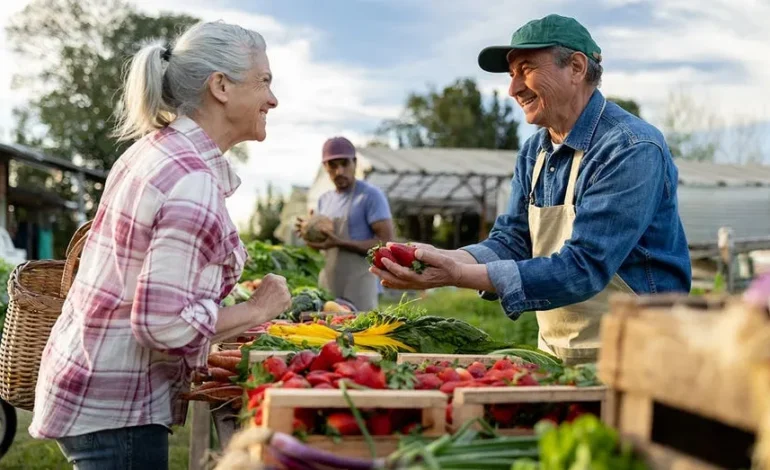

A growing concern over the Cyclospora outbreak is prompting a noticeable shift in consumer shopping habits, with many individuals now turning to farmers markets in pursuit of locally grown produce. This heightened demand for homegrown fruits and vegetables, particularly lettuce, has been observed across Ohio, where vendors at local markets have reported selling out of their stock within an hour of opening. The trend suggests consumers are increasingly scrutinizing the origin of their food, especially in light of widespread issues with produce distributed through larger commercial channels.
Shifting Consumer Preferences Amidst Health Concerns
The summer months have seen a dip in sales for lettuce at traditional grocery stores, and a decline in patronage at restaurants known for their produce-centric menus. Conversely, farmers markets are experiencing a boom in business as shoppers seek out local alternatives. While locally sourced produce isn’t entirely immune to contamination, its shorter journey from farm to table often means fewer touchpoints and potentially reduced opportunities for pathogens like Cyclospora to infiltrate the supply chain compared to produce that travels long distances through extensive commercial networks.
Federal Health Officials Advise Precautions
As federal health agencies continue their investigation into the Cyclospora outbreak, they are urging consumers to adopt vigilant practices when handling and preparing fresh produce. The Centers for Disease Control and Prevention (CDC) recommends thorough handwashing and rinsing all fruits and vegetables under running water before consumption or preparation. However, the agency also cautions that washing alone does not guarantee the complete elimination of Cyclospora, underscoring the complexity of food safety.
Online Discourse Reflects Consumer Anxiety
The uncertainty surrounding the outbreak has fueled considerable discussion and anxiety online. Social media platforms and forums reveal a growing unease among consumers about the safety of their food. Some individuals have resorted to drastically altering their diets, with one user on Reddit sharing, “I’ve been coping by pretty much only eating things that are cooked.” This sentiment highlights a broader feeling of apprehension about consuming raw produce.
The extended incubation period of Cyclospora, which can range from a few days to over two weeks, is a significant source of worry for many. This delay between potential exposure and the onset of symptoms leaves individuals feeling vulnerable. “The incubation period is what’s making me anxious,” one user expressed. Another echoed this sentiment, stating, “Any time I feel a little off I absolutely panic that I have this parasite.” This anxiety is amplified by the scale of the current outbreak, which has affected thousands across the nation.
Outbreak Scope and Recalls
The Cyclospora outbreak has grown substantially, with confirmed cases numbering in the thousands across multiple states. Reports indicate over 6,300 cases have been documented in 15 states, leading to 278 hospitalizations and, tragically, two reported deaths. In response to the escalating situation, Taylor Farms de Mexico initiated a voluntary recall on July 17 of all iceberg lettuce sourced from central Mexico. This recalled product had already made its way to consumers, restaurants, and retailers in at least 27 states, further complicating efforts to contain the spread and reassure the public.
Understanding Cyclosporiasis Symptoms
Individuals infected with Cyclospora, a microscopic parasite, may experience a range of gastrointestinal symptoms. These commonly include diarrhea, loss of appetite, significant weight loss, abdominal cramping, bloating, nausea, and fatigue. The onset of these symptoms typically occurs about a week after infection, though the timeline can vary. The CDC notes that symptoms can manifest as early as two days post-exposure or may take two weeks or longer to become apparent, making diagnosis and tracking challenging.
The shift towards farmers markets reflects a desire for greater transparency and control over food sources. While larger supply chains offer convenience and volume, the recent health scares have underscored the appeal of shorter, more direct routes from farm to fork. This trend may persist as consumers continue to prioritize safety and seek reassurance about the food they bring to their tables.