

Cynthia Nixon’s Judicial Role Sparks Outrage in New York
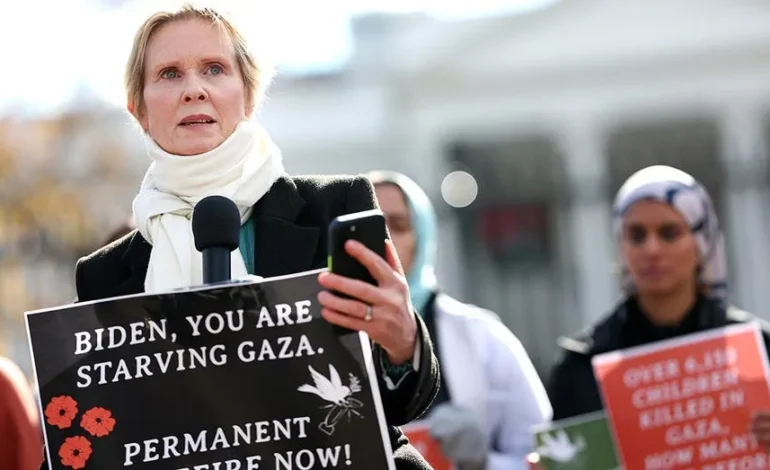

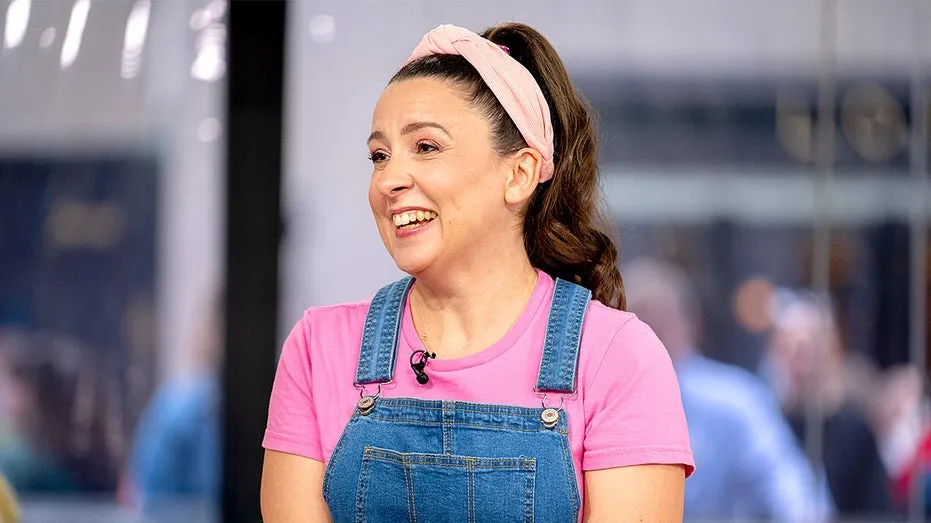
New York’s highest court is facing a wave of criticism following the appointment of actress Cynthia Nixon to a key commission responsible for recommending candidates for the state’s top judicial positions. Nixon, widely recognized for her role as lawyer Miranda Hobbes in the popular television series “Sex and the City,” was named by Chief Judge Rowan Wilson to the 12-seat Commission on Judicial Nomination. She is one of four members on the commission who are not required to be licensed attorneys in New York.
A Controversial Appointment
The decision to place Nixon, a prominent activist and actress, on a panel that vets potential judges has drawn sharp rebukes from political opponents and online commentators. Critics argue that her lack of legal background and her outspoken political activism are ill-suited for a role in shaping the state’s judiciary. This sentiment was echoed by Republican lawmakers and conservative commentators who voiced their disapproval.
“Only in Kathy Hochul’s New York could playing a lawyer on HBO qualify you to pick the judges on our state’s highest court,” stated U.S. Representative Michael Lawler, a Republican from New York. The National Review’s John Fund also weighed in on social media, quipping, “Selecting far-left activist actress Cynthia Nixon to help select New York’s top judges will not bring ‘Justice In The City.’”
The appointment has been framed by some as indicative of a broader trend within New York’s legal and political landscape. Jonathan Turley, a law professor at George Washington University, commented on X (formerly Twitter) that the move exemplifies a pattern where the “New York legal system continues to make a parody of itself.”
Online Reactions and Comparisons
The online reaction included a degree of sardonic humor, with some critics drawing parallels between Nixon’s casting and other celebrity roles. One widely shared post humorously suggested that Noah Wyle, an actor who played a doctor on “ER,” might be a suitable candidate for Surgeon General. Another commenter quipped, “I played the part of an astronaut in a school play when I was maybe 10 years old. Should I prepare my resume for NASA?”
Saritha Komatireddy, a Republican candidate challenging the state Attorney General, expressed concern that appointing a “celebrity activist with zero legal background to help shape the future of our judiciary sends the wrong message entirely.” She further elaborated to a New York newspaper, suggesting that this appointment reflects a larger issue in New York, where “politics increasingly taking precedence over public safety and common sense.”
Nixon’s Political Background
Cynthia Nixon is a well-known figure in progressive political circles. She is affiliated with the Democratic Socialists of America and mounted an unsuccessful gubernatorial campaign in 2018, challenging then-incumbent Andrew Cuomo in the Democratic primary. Her political engagement also includes past support for former New York City Mayor Bill de Blasio and current Mayor Zohran Mamdani.
Intra-Party Criticism
The controversy surrounding Nixon’s appointment is not confined to Republican opposition. Even some Democrats have voiced discontent, linking it to the earlier rejection of Governor Kathy Hochul’s nominee for Chief Judge, Hector LaSalle. State Assemblyman Kalman Yeger, a Democrat, tweeted critically, “The price New Yorkers will pay for the bigots and haters who took out the immensely qualified Justice LaSalle is that Cynthia Nixon now gets to vet the judiciary. Excelsior!” This sentiment suggests that the political maneuvering to prevent LaSalle’s confirmation has inadvertently led to Nixon’s influential role.
Governor Hochul’s initial choice for Chief Judge, Hector LaSalle, was reportedly blocked by State Senate Democrats who deemed him too conservative. This opposition was bolstered by activist and labor groups, ultimately leading to the selection of Rowan Wilson for the position. The fallout from this confirmation battle appears to have directly influenced subsequent appointments, including Nixon’s seat on the judicial nomination commission.
Broader Implications for the Judiciary
The appointment of Nixon to the Commission on Judicial Nomination carries significant weight. This commission plays a crucial role in evaluating and recommending candidates for the New York Court of Appeals, the state’s highest court. Her involvement means that individuals with progressive viewpoints, potentially aligning with Nixon’s own activism, could have a greater influence on the composition of the state’s judiciary.
State Senator Anthony Palumbo, the top Republican on the New York Senate Judiciary Committee, expressed alarm. He told a news outlet that Nixon’s selection should “alarm every New Yorker” and suggested that “political activism appears to be a requirement for consideration to serve on the bench.” Palumbo further stated, “The appointment of a far-left, non-lawyer, Hollywood actress to the Commission on Judicial Nomination further reinforces the fact that the courts of New York have become entirely partisan. We should all be outraged by the abuse of this branch of government that is supposed to be immune from politics.”
Future Appointments
Looking ahead, the political dynamics surrounding judicial appointments in New York remain complex. Republicans are set to have a say in the commission’s composition as well. State Senate Minority Leader Rob Ortt, R-Niagara Falls, has been allocated one appointment to the commission, filling a vacancy that arose from a recent retirement, according to reports from the Albany Times-Union.
As Nixon begins her role on the commission, her influence on the vetting process for New York’s highest court is expected to be closely watched. The appointment underscores the ongoing debate about the role of political ideology and non-legal expertise in the selection of judges, particularly in a state with a deeply polarized political climate.