




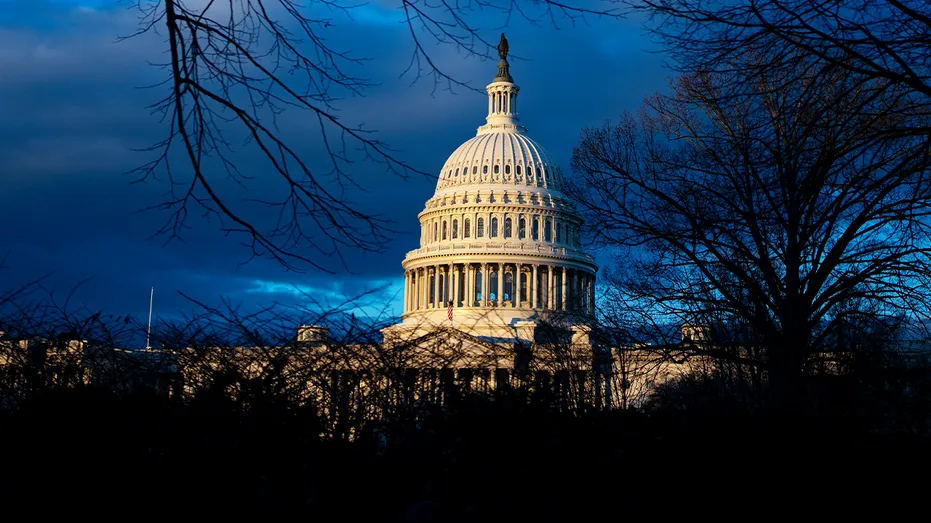
The House of Representatives has overwhelmingly approved the Sunshine Protection Act, a bill that would make Daylight Saving Time (DST) permanent across the United States. The vote, which passed 308-117, means Americans might soon bid farewell to the twice-yearly ritual of “springing forward” and “falling back.” If enacted into law, this legislation would eliminate the need to adjust clocks twice a year, keeping the nation on DST year-round.
A Push for More Evening Sunlight
Proponents of the bill argue that making DST permanent offers significant benefits, primarily by extending daylight hours into the evening. Representative Vern Buchanan, a chief sponsor of the legislation, stated that polling indicates a strong public desire to “unlock the clock.” He believes that an extra hour of sunlight in the evening provides families with more opportunities for outdoor activities and allows children more time for after-school sports and other pursuits. This sentiment is echoed by Representative Gus Bilirakis, who questioned the necessity of the biannual clock changes, calling them “a relic of the past that no longer reflects the way Americans live.”
The appeal of longer evenings is understandable. For many, the shift to Standard Time in the fall brings earlier sunsets, often around 5:00 p.m., which some find to be a “doggy downer” and a cause for seasonal blues. Representative Tim Burchett of Tennessee voiced his support, noting that people in his state are eager to “fix it” and avoid the premature darkness.
Historical Precedents and Lingering Doubts
However, the idea of permanent DST is not without its critics and historical baggage. Representative Madeleine Dean, the sole member to speak in opposition during the House debate, raised concerns about the timing of the vote, suggesting Congress should focus on more pressing “bread-and-butter” issues like the cost of food, fuel, and healthcare, rather than altering timekeeping. She also pointed to a past experiment with year-round DST in the mid-1970s as a cautionary tale.
In 1974, in an effort to combat the OPEC oil embargo and related fuel shortages, Congress enacted a two-year trial of permanent DST. The experiment, however, proved to be unpopular and disruptive. Reports from the era described children heading to school in the pre-dawn “jet black,” with some needing flashlights to navigate their way. Public opinion soured rapidly; a survey in December 1973 showed 79% approval for the year-round time switch, but by August 1974, that figure had plummeted to just 42%. The backlash was so significant that then-Senator Bob Dole introduced a measure to repeal the policy, which was subsequently passed, returning the nation to the traditional clock-changing schedule by the fall of that year.
The Path Forward: Senate and Presidential Support
Despite the historical precedent, the current push for permanent DST has gained momentum. The Senate unexpectedly approved a similar bill in 2022, though it stalled in the House. The recent House passage of the Sunshine Protection Act, an updated version of the legislation, signals renewed interest. President Trump has previously expressed support for ending the clock change, calling the practice “ridiculous.” Senator John Kennedy of Louisiana indicated that the President remains enthusiastic about the idea and anticipates swift movement on the bill in the Senate.
The decision to make DST permanent hinges on the Senate’s concurrence and the President’s signature. If the bill becomes law, it will mark a significant shift in how Americans experience time and daylight. While many anticipate the convenience and extended evening light, others, mindful of the 1970s experience, urge caution, invoking the adage that “those who cannot remember the past are condemned to repeat it.” The debate highlights a fundamental tension between the desire for more evening light and the potential disruptions associated with altering a long-standing, albeit often debated, temporal practice.
What Happens Next?
The Sunshine Protection Act now moves to the Senate for consideration. If it passes the Senate and is signed into law by the President, the United States would remain on Daylight Saving Time permanently, effectively eliminating Standard Time. This would mean that come next November, clocks would not “fall back” an hour. The implications of this change are multifaceted, impacting everything from daily routines and energy consumption to public health and safety. While the bill’s supporters champion the benefits of extended evening daylight, opponents and some experts caution that a permanent shift could have unintended consequences, particularly regarding morning light during the winter months.


