


DFW Airport Adds Islamic Foot Wash Stations to Terminal D
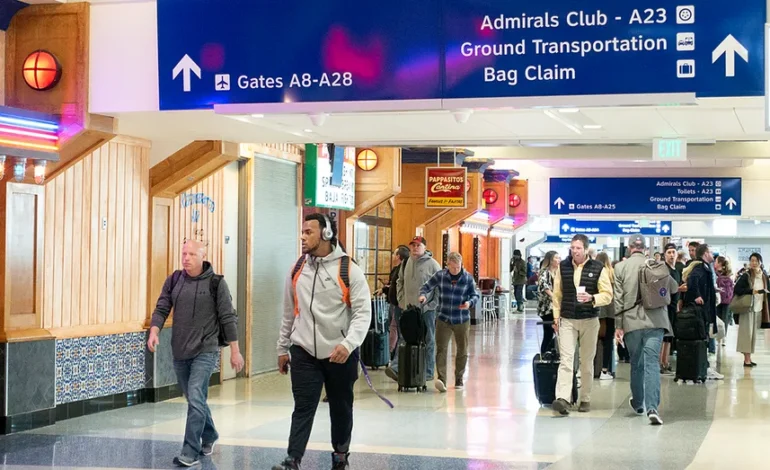

Dallas-Fort Worth International Airport (DFW) is set to introduce dedicated Islamic foot wash stations, known as Wudu ablution stations, within its Terminal D restrooms. This initiative, officially registered with the Texas Department of Licensing and Regulation on July 31, aims to provide a more convenient and appropriate facility for Muslim travelers performing their ritual ablutions before prayer. The installations are anticipated to be completed by the close of the year.
Understanding the Wudu Ablution Stations
The project details specify the addition of these stations to existing concourse-level restrooms in Terminal D. Specifically, one men’s ablution station will be installed in the men’s restroom, and a corresponding women’s station will be added to the women’s restroom. These stations are designed as low-level basins, distinct from standard sinks and toilets, to accommodate the specific needs of Wudu, an Islamic ritual washing of the body parts before prayer.
The primary motivation behind this project, according to official documentation, is to enhance restroom safety and maintenance. Standard bathroom sinks are not designed for foot washing, which can lead to water spilling onto floors, creating slippery conditions and potentially damaging sink counters. The Wudu basins are intended to contain the water, thereby keeping the general restroom areas dry and safe for all passengers and staff.
Funding and Timeline
This upgrade is being privately funded and is estimated to cost approximately $300,000. The airport is working towards having these new facilities operational by the end of 2023.
Context and Public Reaction
The introduction of Wudu stations at DFW is not an isolated event. Similar facilities and interfaith spaces catering to the needs of diverse international travelers can already be found at other major U.S. airports, including Chicago O’Hare International Airport and Indianapolis International Airport. These installations are often part of broader efforts by large transportation hubs to accommodate a global clientele.
News of the planned installations sparked a reaction online, with some individuals expressing strong opposition. However, others advocated for a more measured perspective, emphasizing the practical reasons behind the project. Conservative activist Ryan Fournier, for instance, shared his views on social media, highlighting that the stations are primarily a matter of airport management and safety rather than an attempt to promote any specific ideology.
Fournier elaborated on the functional benefits: “People washing their feet in standard bathroom sinks creates soaked, slippery floors and breaks the counters. Low-level wudu basins keep the restrooms dry and safe for everyone.” He also pointed out the precedent set by other major airports, stating, “DFW is one of the busiest travel hubs on the planet. Major U.S. airports like Chicago O’Hare and Indianapolis have had these and interfaith rooms for years to handle international traffic cleanly.” He concluded that the addition is “just about keeping the bathrooms clean and preventing people from slipping on wet tiles. Plain and simple.”
Airport and Regulatory Response
Officials from Dallas-Fort Worth International Airport, the Texas Department of Licensing and Regulation, and the office of Texas Governor Greg Abbott were contacted for comment regarding the project.
Conclusion: A Practical Approach to Diverse Needs
The installation of Wudu ablution stations at DFW International Airport represents a practical response to the needs of a significant portion of its international passenger base. By providing dedicated facilities, the airport aims to improve hygiene, safety, and convenience for Muslim travelers, while also addressing potential maintenance issues in standard restrooms. This move aligns with trends seen at other major global airports seeking to offer inclusive services to a diverse clientele.