




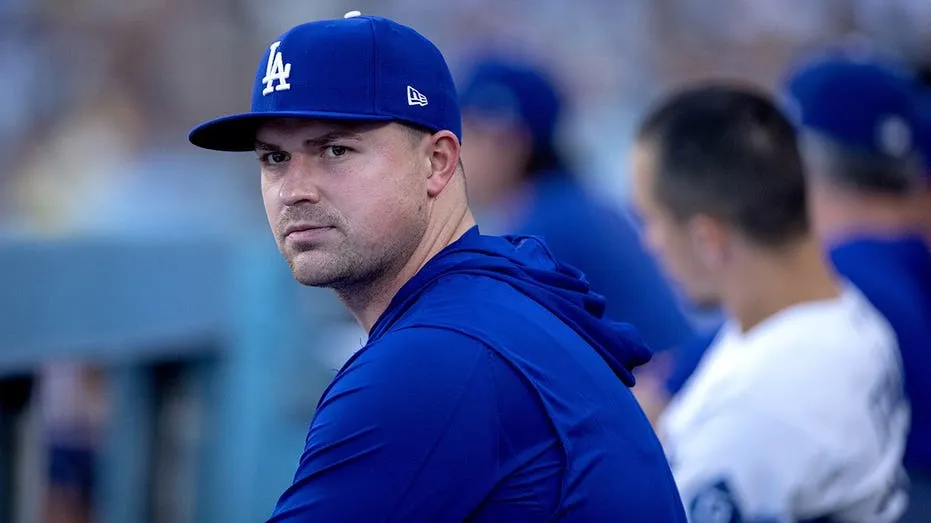
The baseball world has been abuzz, and not in the usual way, about the Los Angeles Dodgers. Despite boasting a colossal payroll and entering the trade deadline with considerable fanfare, the team has faced a string of concerning developments. Key pitchers like Blake Snell and Tyler Glasnow have been sidelined by injuries, limiting their innings significantly. Furthermore, Emmett Sheehan, who showed promise in 2025, has faltered in recent outings, leading the Dodgers to rely on veteran pitcher Eric Lauer. In a move aimed at bolstering their World Series aspirations, Los Angeles acquired the reigning AL Cy Young winner, Tarik Skubal, from the Detroit Tigers, trading away prospects Zyhir Hope, River Ryan, and Brady Smith. This acquisition ignited a firestorm of debate among fans and commentators, with some decrying it as evidence that the Dodgers are overpowering the league, while others speculated wildly about collusion and the very integrity of the game.
Dodgers’ Struggles Underscore Baseball’s Competitive Nuances
The narrative that the Dodgers have rendered the season a foregone conclusion was dramatically challenged this past week. Far from dominating, Los Angeles suffered a humbling sweep at the hands of the Boston Red Sox at Dodger Stadium. The series began with a 9-4 defeat, followed by a tightly contested 3-2 loss, and concluded with an 8-4 defeat, marked by the pitching staff surrendering four home runs. The team then traveled to Chicago to face a red-hot Cubs squad, and the struggles continued. Despite an early 3-0 lead in the first game, starter Justin Wrobleski couldn’t hold the advantage, as the Cubs rallied for a 10-5 victory. The highly anticipated debut of Tarik Skubal on Tuesday did little to halt the slide. While Skubal pitched respectably, allowing just two runs over six innings with six strikeouts, the Dodgers’ offense sputtered, managing only a solo home run from Kyle Tucker in a 5-1 loss. This marked the Dodgers’ fifth consecutive defeat.
A Six-Game Losing Skid and Shifting Standings
The losing streak extended to six games on Wednesday, as the Dodgers fell to the Cubs again, this time in a 7-6 nail-biter. Shohei Ohtani’s leadoff home run in the first inning was not enough to spark a turnaround, as Chicago responded with seven unanswered runs, including two home runs from Pete Crow-Armstrong. Though the Dodgers showed a flicker of fight by scoring five runs in the eighth inning, they ultimately came up short.
This extended period of poor performance has significantly impacted the Dodgers’ standing. With just two wins in their last eight contests and an 8-13 record over their last 21 games, their once commanding lead in the National League West has dwindled. If the Arizona Diamondbacks secure a victory, their lead over the Dodgers could shrink to a more manageable eight games, setting the stage for a critical weekend series between the two clubs in Phoenix. Over their last six games, the Dodgers have been outscored by a staggering 42-22 margin. What was once a seemingly secure grip on the top seed in the National League, complete with a first-round bye, is now precarious. They are several games behind the Milwaukee Brewers and could potentially fall to the third seed behind the Atlanta Braves, forcing them into a Wild Card series if the season ended today.
Challenging the ‘Too Good to Be True’ Narrative
The notion that the Dodgers are so overwhelmingly dominant that they are ‘ruining baseball’ is a narrative that their recent performance has actively debunked. While it’s true that Los Angeles possesses considerable talent, the idea of an insurmountable gap between teams in Major League Baseball is often overstated, especially when compared to other professional sports. Unlike the NFL, where teams can achieve exceptionally high winning percentages, baseball’s 162-game season, even without a salary cap, typically results in smaller disparities between the top and bottom teams. This inherent competitiveness is why the best team doesn’t always, or even often, win the World Series.
The acquisition of Skubal, rather than signaling the end of competitive balance, has instead highlighted the inherent unpredictability of baseball. Conspiracy theories surrounding the trade, suggesting collusion between the Tigers and Dodgers, overlook the clear motivations of both sides: the Tigers sought MLB-ready pitching prospects, which the Dodgers offered, while the Brewers reportedly did not. This situation has also fueled calls for a salary cap, a measure that would likely benefit owners’ bottom lines more than it would impact on-field competitiveness.
Dodgers’ Own Flaws Emerge
Beyond the external competition, the Dodgers’ recent slump has also brought internal issues to the forefront. Kyle Tucker has experienced a career-worst offensive season, and Mookie Betts has performed below his usual standards as a hitter. The bullpen has been one of the league’s worst over the past month, and Edwin Diaz has struggled in limited innings. While the eventual returns of Snell and Glasnow are anticipated, their injury histories provide little guarantee of sustained health. Roki Sasaki has also shown considerable inconsistency. These factors combine to demonstrate that even a team with immense resources and talent is not immune to slumps or vulnerable spots.
Ultimately, the Dodgers’ current struggles serve as a potent reminder that in baseball, no outcome is ever truly guaranteed. Predicting postseason success based on August performance is a fool’s errand. The idea that Los Angeles is unbeatable and therefore ‘ruining baseball’ is a conclusion as misguided as believing that team owners prioritize the ‘health’ of the game over maximizing profits. Baseball, in its beautiful unpredictability, continues to prove that even the most star-studded teams can falter, and the race for October is far from over.


