




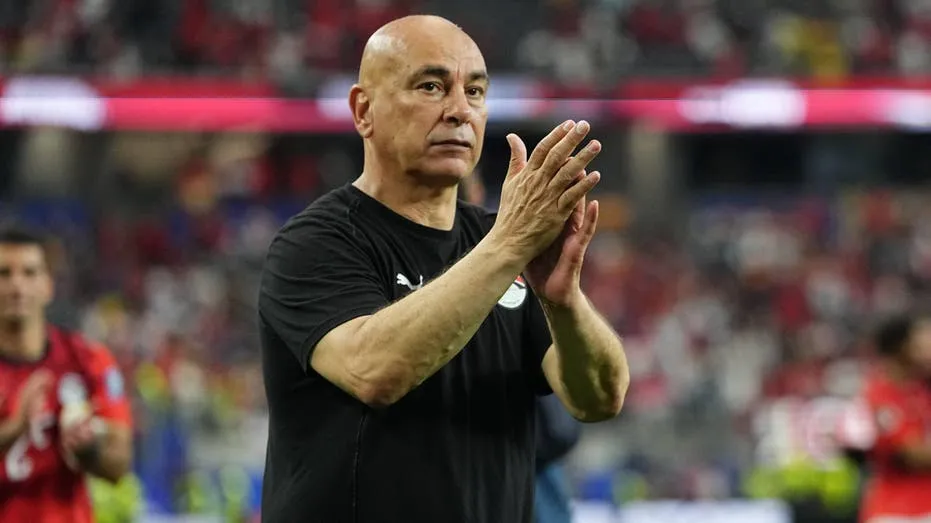
In a moment that sparked considerable online discussion, Egypt’s national team manager, Hossam Hassan, was seen waving a Palestinian flag on the field shortly after his team secured a World Cup victory over Australia. The incident, captured in a video that quickly circulated on social media, occurred following Egypt’s win, which was decided by penalty kicks. Chants of “Free, free Palestine!” could be heard in the background of the footage.
Post-Match Declarations and Dedication
In his post-match interviews, Hassan explicitly dedicated the win to the Egyptian and Palestinian people. He stated, “My heart and soul are with them,” and added, “I dedicate this victory to the Palestinians. May Allah grant them victory and have mercy on their martyrs.” Hassan described the people of both nations as “good and noble.”
Context of Political Symbols at the World Cup
The presence of the Palestinian flag at the tournament has drawn attention, particularly as Palestine is not a competing nation. This has led to questions about the display of political symbols during international sporting events. Reports from earlier in the tournament noted the appearance of Palestinian flags, raising queries about their allowance while other political symbols might face restrictions. This situation has been contrasted with instances where Israeli flags have reportedly been confiscated at matches, while Palestinian flags have been more visible in the stands.
FIFA, the international governing body for football, has not yet issued a public statement or responded to media inquiries regarding Hassan’s actions or the broader issue of political flags at the World Cup.
Upcoming Fixture
Egypt is scheduled to face a highly anticipated match against Lionel Messi’s Argentina in the round of 16. The game is set to take place on Tuesday in Atlanta.
Broader Implications of Political Displays in Sports
The integration of political symbols and statements into major sporting events like the World Cup is a recurring theme, often sparking debate about the role of sports in geopolitical discourse. While sports are frequently seen as a unifying force, transcending national and political boundaries, they can also become a platform for expressing political solidarity or dissent. The visibility of flags and other national symbols is a fundamental aspect of international competitions, fostering national pride among supporters. However, when non-competing nations’ symbols appear, it inevitably invites scrutiny and discussion about the boundaries between sport and politics.
Hossam Hassan’s gesture, while deeply meaningful to him and potentially to many supporters of the Palestinian cause, highlights the complex relationship between global sports and international politics. The emotional resonance of such displays can be powerful, connecting athletes and fans through shared sentiments that extend beyond the game itself. The context of the ongoing geopolitical situation undoubtedly influences how such actions are perceived and interpreted by a global audience.
The decision by FIFA to potentially regulate or permit certain symbols is a delicate balancing act. On one hand, maintaining a politically neutral stance is often seen as crucial for preserving the integrity and universal appeal of the sport. On the other hand, banning all forms of political expression could be viewed as stifling freedom of speech and ignoring the deeply held beliefs and affiliations of participants and fans. The differing treatment of various national flags, as suggested by some reports, could lead to perceptions of inconsistency and fuel further debate.
The Role of Coaches and Athletes
Coaches and athletes, by virtue of their public profiles, often find themselves in positions where their actions and statements can carry significant weight. Their personal beliefs and affiliations can translate into public gestures, intentionally or unintentionally drawing attention to specific causes or political issues. Hassan’s decision to dedicate the victory and display the flag reflects a personal conviction that he chose to express on a global stage. Such actions can inspire or provoke reactions, underscoring the powerful intersection of sport, identity, and politics.
As the World Cup progresses, the interplay between athletic performance and the broader socio-political landscape will likely continue to be a subject of interest and commentary, reflecting the multifaceted nature of global events.


