




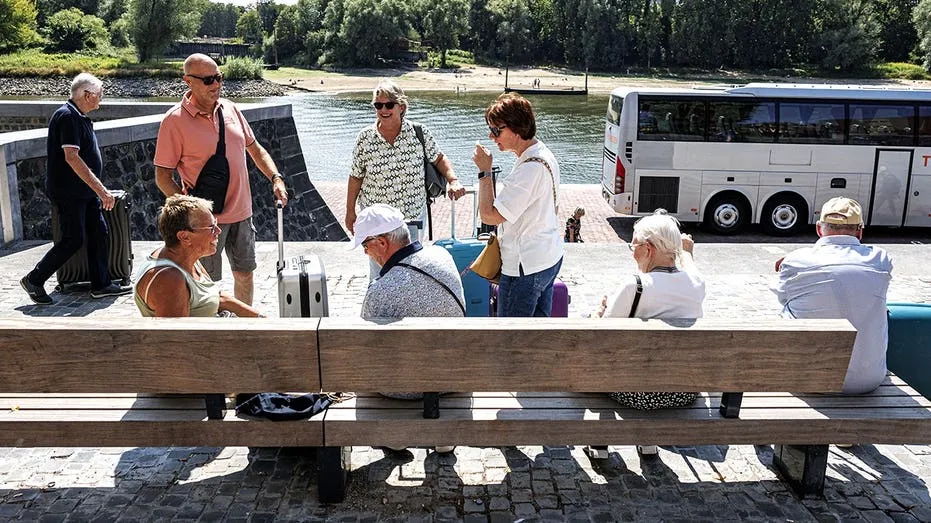
Record-low water levels on major European rivers, fueled by an intense and prolonged heatwave, are wreaking havoc on summer cruise itineraries. Vessels are being stranded, and passengers are facing significant disruptions, including lengthy bus transfers and missed excursions, as drought conditions grip central and western Europe.
Rivers Parched by Persistent Heatwave
The European Drought Observatory (EDO) has highlighted severe drought conditions across much of the continent. July’s first half saw temperatures soar well above average, ushering in a persistent heatwave that has left key waterways critically low. The EDO’s latest drought map indicates that the most extreme “alert” levels are concentrated in areas including France, Germany, Switzerland, Austria, Hungary, Romania, and the Balkan region.
This parched landscape is directly impacting two of Europe’s most vital and popular river cruise arteries: the Danube and the Rhine. The Danube, which snakes its way from Germany’s Black Forest to the Black Sea, touching ten countries, has seen its water levels plummet. In Hungary, the Paks Nuclear Power Plant reported on July 27 that the Danube’s water level at Paks had reached a historic low of minus 42 inches, shattering all previous records.
Similarly, the Rhine, originating in the Swiss Alps and flowing to the North Sea through countries like Switzerland, Germany, France, and the Netherlands, is showing the strain. Images from the river reveal an unsettling sight: sandbars emerging from the water and riverbanks drying out, as ships navigate a significantly diminished waterway.
Cruise Operators Grapple with Itinerary Changes
The low water levels have forced major river cruise operators, including Avalon Waterways and AmaWaterways, to issue warnings about potential itinerary changes. For many passengers, the allure of a European river cruise lies in the picturesque castles and charming towns that line these historic waterways. However, the current drought is jeopardizing that experience.
Some travelers have found themselves rerouted, bused to different vessels further downstream to continue their journey. This has led to considerable inconvenience, requiring passengers to pack and unpack multiple times, often with limited assistance, which is particularly challenging for elderly travelers.
Passenger Disappointment and Frustration
Social media platforms and travel forums are abuzz with accounts from disgruntled passengers. One individual shared concerns about their elderly mother and aunt embarking on a “grand tour” from Budapest to Amsterdam, a trip centered around viewing riverside castles. “The entire point of the cruise was to see the castles,” the user lamented on Reddit, expressing fears that the journey would involve numerous bus transfers due to the low water levels on both the Danube and Rhine.
Another traveler recounted a recent Rhine cruise that was significantly altered. “The ‘castle’ part of the Rhine was too shallow to traverse,” they reported. While acknowledging the cruise line’s efforts to manage the situation, the passenger described the experience as “disappointing, to say the least.” The core appeal of the cruise, viewing the historic castles, was largely unattainable.
The logistical challenges of these disruptions are substantial. One passenger detailed a journey that involved a five-hour bus transfer to a new ship after their original vessel could no longer navigate a shallow stretch of the Rhine. Although the bus journey was broken up, the excursion they had pre-paid for was missed. “We had to pack everything up — unpack and organize again on [a] new ship,” the traveler explained, noting that while they still enjoyed the company of friends, the process was “a slog.”
Broader Implications of the Drought
The impact of the drought extends beyond the immediate disruption to cruise passengers. These rivers are not just tourist routes; they are critical arteries for commerce and industry in Europe. Low water levels can affect shipping, energy production (as seen with the Paks Nuclear Power Plant’s reliance on Danube water for cooling), and agriculture.
As the summer progresses, the outlook remains uncertain. Meteorologists are not predicting significant rainfall in the affected regions in the immediate future, suggesting that the low water levels on the Danube and Rhine may persist. This continued drought poses a significant challenge for the remainder of the European river cruise season and raises broader questions about the vulnerability of vital European infrastructure to climate change.
Looking Ahead
River cruise operators are working diligently to mitigate the effects of the drought, but the unpredictable nature of weather patterns means that passengers should be prepared for potential changes to their itineraries. Flexibility and understanding are key for travelers planning trips on these affected waterways. The situation underscores the growing impact of climate change on travel and infrastructure across the globe.


