
Ex-CBS Reporter Alleges Fauci Scrutiny Led to On-Air Suspension

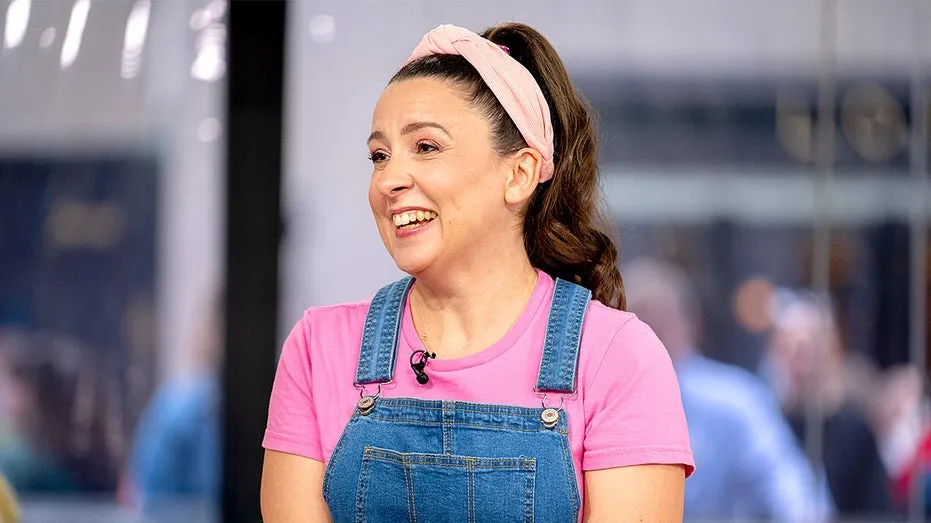
Brittney Hopper, a former journalist for CBS News, has come forward with claims that her reporting on Dr. Anthony Fauci during the COVID-19 pandemic led to her being temporarily removed from the air. Hopper, who worked for CBS News Los Angeles until 2022, shared her experiences in a recent interview, suggesting that questioning the established narrative surrounding Fauci’s role and the pandemic response drew professional repercussions.
Allegations of Professional Repercussions
Speaking on an Australian program, Hopper detailed how her attempts to critically examine Dr. Fauci’s actions and guidance during the pandemic resulted in disciplinary action. She recounted a period when, after “a couple of years of dealing with hearing this man and interviewing this man, and having to wear masks and having our kids out of school for years,” she began to question his directives. This questioning, she stated, led to her being “pulled off-air for a couple of days.”
Hopper elaborated on the perceived atmosphere at the time, suggesting that deviating from the prevailing “agenda and the narrative” was discouraged. She indicated that she issued an apology and subsequently returned to her reporting duties, describing her past role in mainstream media as being a “puppet.” Hopper expressed a hope that increased public awareness is emerging regarding what she perceives as a decline in journalistic integrity.
Context of Fauci’s Congressional Hearing
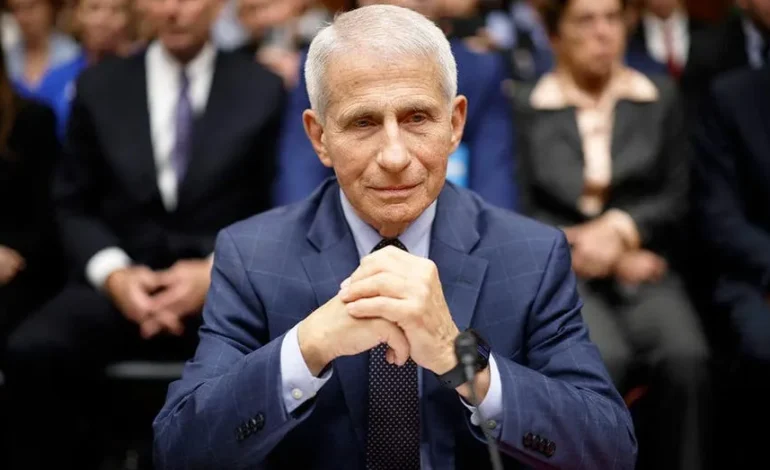
Hopper’s comments emerged in the context of Dr. Fauci’s recent congressional hearing, where he invoked his Fifth Amendment right against self-incrimination over 100 times. Hopper stated that she was not surprised by Fauci’s refusal to answer questions, but she hoped the situation would prompt a broader re-evaluation of his perceived lack of clarity during the pandemic’s peak.
“I hope that this is somewhat of a wake-up call for news organizations around the world,” Hopper remarked. She specifically referenced widely discussed public health measures, such as the six-feet distancing rule and the practice of wearing masks outdoors, questioning their scientific basis and the lack of definitive answers provided. While acknowledging the initial uncertainty of the pandemic’s first year, Hopper asserted that as more information became available, journalistic integrity should have guided reporting, rather than what she described as news agencies “jumped on the bandwagon with him and just feared so many Americans.”
Broader Scrutiny of Fauci’s Pandemic Stance
The interview also touched upon broader criticisms leveled against Dr. Fauci. Excerpts from his private diary, reportedly revealed through other reporting, have surfaced, containing statements that appear to contrast with his public declarations. For instance, while Fauci maintained in 2022 that he did not support COVID-19 lockdowns, diary entries from 2020 allegedly indicate that he advised city, state, and federal officials, including then-President Donald Trump, on implementing lockdown measures.
Hopper’s account adds a personal dimension to the ongoing discussions about media coverage during the pandemic and the role of prominent public health figures. Her experience, as she describes it, highlights the pressures journalists might face when challenging widely accepted information, particularly during times of significant public health concern and evolving scientific understanding. The situation underscores the complex interplay between media, public figures, and the dissemination of information during crises.