




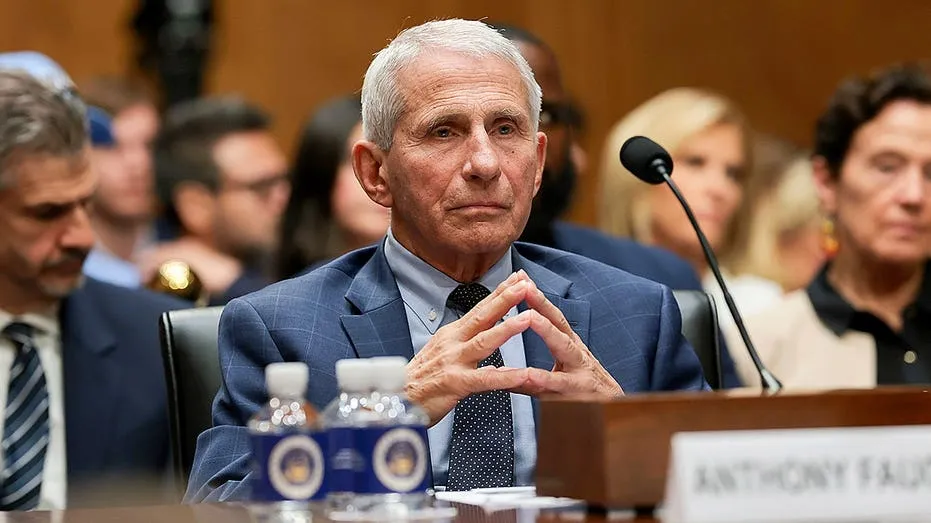
Dr. Anthony Fauci has refused a request to testify before a Senate subcommittee investigating the nation’s COVID-19 pandemic response, marking a new development in ongoing Republican inquiries into the former top health official’s actions. An attorney representing Dr. Fauci rejected the voluntary appearance sought by Senator Ron Johnson, chairman of the Senate Permanent Subcommittee on Investigations.
Fauci’s Legal Team Cites Harassment Concerns
The decision to decline the appearance stems from concerns that compelling Dr. Fauci to testify again would amount to political harassment. His legal counsel argued that another hearing, following a particularly contentious session on July 29, would “impermissibly harass or degrade Dr. Fauci for political purposes.” Senator Johnson’s subcommittee has been conducting its own parallel investigation into the federal government’s handling of the pandemic, scrutinizing aspects such as the safety and efficacy of COVID-19 vaccines.
Contempt Referral Follows Extensive Fifth Amendment Use
This refusal comes on the heels of a significant move by Republicans on the Senate Homeland Security and Governmental Affairs Committee. Last week, committee members voted along party lines to hold Dr. Fauci in contempt of Congress. This action was precipitated by his repeated invocation of the Fifth Amendment right against self-incrimination, which he used more than 100 times during the July hearing. Committee Chairman Rand Paul, R-Ky., has indicated his intention to forward this contempt referral to the U.S. Attorney’s Office in the District of Columbia, potentially bypassing a full Senate vote.
Senator Paul has framed the situation as a “good legal discussion” and stated that the legal points would be presented to the Department of Justice when the referral is sent. A key point of contention revolves around whether Dr. Fauci’s invocation of the Fifth Amendment is valid, particularly in light of a preemptive pardon issued by former President Joe Biden before he left office.
The Debate Over the Fifth Amendment and Pardons
Senator Paul has publicly questioned the extent to which the Fifth Amendment can shield Dr. Fauci, suggesting that the Biden pardon may not offer complete protection. Paul’s argument posits that if the pardon eliminates the risk of federal prosecution, it undermines the basis for refusing to answer questions under oath. Dr. Fauci and his legal representatives, however, dispute this interpretation.
For years, Senator Paul has been a vocal critic, investigating Dr. Fauci’s role in the pandemic response. He has specifically accused the former director of the National Institute of Allergy and Infectious Diseases of supporting “risky” research that may have contributed to the alleged lab leak of the COVID-19 virus in China. These accusations have led Senator Paul to repeatedly call for Dr. Fauci’s prosecution.
Subcommittee’s Parallel Investigations
Meanwhile, Senator Johnson’s subcommittee has been independently gathering records pertinent to Dr. Fauci and the broader governmental response to the pandemic. Previously, it was confirmed that the Department of Health and Human Services provided the subcommittee with Dr. Fauci’s cellphone records from the pandemic era. The Homeland Security Committee also received a substantial volume of documents – over 1,000 pages of what has been described as Dr. Fauci’s personal diary – prior to his July testimony.
Inquiries were made to Senator Johnson’s office regarding any plans to issue a subpoena for Dr. Fauci’s testimony following his refusal to appear voluntarily. Similar inquiries were directed to Senator Paul’s office. Dr. Fauci’s attorney, David Schertler, was also asked whether his client would comply if compelled to testify via subpoena.


