




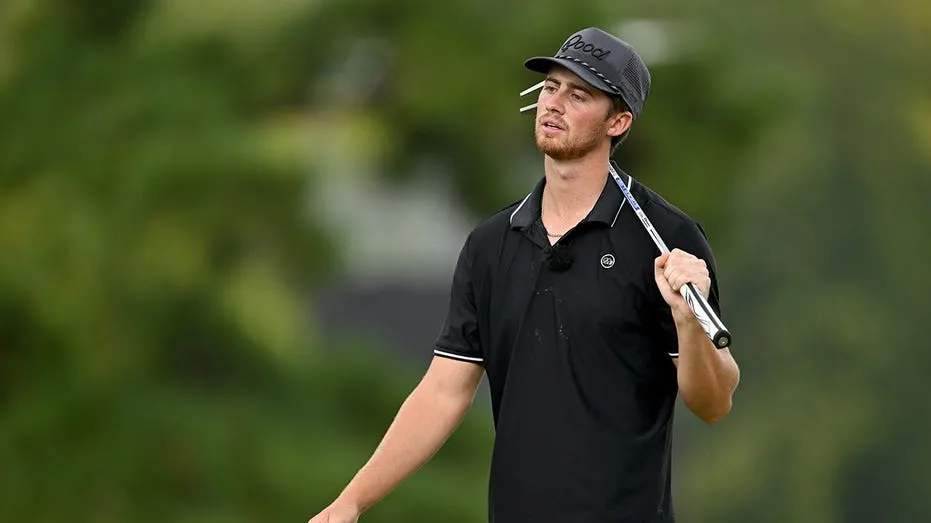
What was once a burgeoning powerhouse in the golf world, particularly among younger enthusiasts, Good Good Golf has found itself at the center of a significant controversy following a poorly conceived advertisement. The YouTube channel, known for its engaging personalities and partnerships with major golf brands, has seen its merchandise pulled from retailers and a PGA Tour event potentially jeopardized due to the fallout.
The Controversial Ad and Immediate Backlash
The trouble began with an ad created to promote a branded version of Callaway’s new driver. Intended as a parody of the movie “Obsession,” the ad depicted Garrett Clark, one of Good Good’s founders, shoving a woman, Alexis Miestowski, to the ground with the line, “do not touch my new driver.” The execution was widely criticized as tasteless and offensive, sparking immediate and widespread backlash from fans and the wider golf community.
The ad was quickly removed, and Good Good Golf issued an apology, stating the video “depicted actions that are not aligned with our values as a brand.” The statement continued, “We have since taken that content down. And sincerely apologize. Good Good has always stood for making the game of golf more inclusive to all, and we will continue to ensure that is our mission moving forward.”
Callaway’s Role and Delayed Programming
Initially, Callaway Golf expressed disappointment with the video. However, a subsequent late-night statement confirmed that the club manufacturer had, in fact, approved the ad’s release. This admission added another layer to the controversy.
The repercussions quickly escalated. The debut of “Big Break X Good Good,” a new show slated for the Golf Channel, was reportedly delayed after title sponsor Golf Galaxy requested its name be removed from the broadcast. This move signaled the seriousness with which the incident was being treated by industry partners.
Retailers Pull Merchandise, Event Uncertainty Looms
Further compounding the issue, reports emerged that major retailers, including Dick’s Sporting Goods, Golf Galaxy, and PGA Tour Superstore, had begun removing Good Good Golf merchandise from their shelves. This widespread action by key sales channels highlighted the significant commercial impact of the ad’s poor reception.
Adding to the uncertainty, the Good Good Championship, a PGA Tour event sponsored by the group and scheduled to be held at Omni Barton Creek Resort & Spa’s Fazio Canyons Course in Austin, Texas, is now reportedly facing potential cancellation. PGA Tour CEO Brian Rolapp addressed the situation, expressing disappointment with the initial handling of the backlash.
PGA Tour CEO’s Perspective
Rolapp described the situation as “fluid” but acknowledged the Tour’s concerns. “I think initially no,” Rolapp stated regarding the company’s response to the backlash. “I think what we saw was concerning, is clearly not aligned with PGA TOUR values. We take it very seriously. I think their initial response was disappointing. It was a bit defensive and late. But I think the responses are getting better.” He noted that conversations were ongoing and the Tour would continue to monitor developments.
Debate Over Proportionality of Response
While the consensus remains that the advertisement was indeed a misstep and should never have been released, a debate has emerged regarding the severity of the consequences. Critics argue that pulling merchandise and potentially canceling events goes too far, likening the reaction to an endorsement of domestic violence or an opposition to women in golf, especially given Good Good’s “Good Good Girls” YouTube channel.
Garrett Clark later posted a video addressing the ad’s concept, apologizing for his role, and explaining the marketing team’s pitch. He took accountability for the ad’s appearance, reiterating that it was a flawed idea from the outset and confirming that no physical harm occurred.
The argument is being made that while a delay for a show might be understandable, the prospect of permanent ostracization from the golf world for a single, albeit bad, advertisement is excessive. The value of channels like Good Good Golf in attracting new audiences to the sport, including young players, is also being highlighted. The concern is that an overzealous “cancel culture” reaction could stifle growth and alienate potential new fans.
Callaway’s Unequal Consequences?
Questions are also being raised about the differential treatment between Good Good Golf and Callaway. Given that Callaway approved the ad, some observers question why the larger company isn’t facing similar merchandise pull-outs or sponsorships reviews. The implication is that the response to Good Good may be performative, with retailers hesitant to alienate a major revenue generator like Callaway while targeting the smaller, more visible entity.
Ultimately, while Good Good Golf undeniably made a significant error in judgment with the advertisement, the ensuing backlash and potential consequences are prompting discussions about proportionality and the broader impact on golf’s evolving landscape.


