




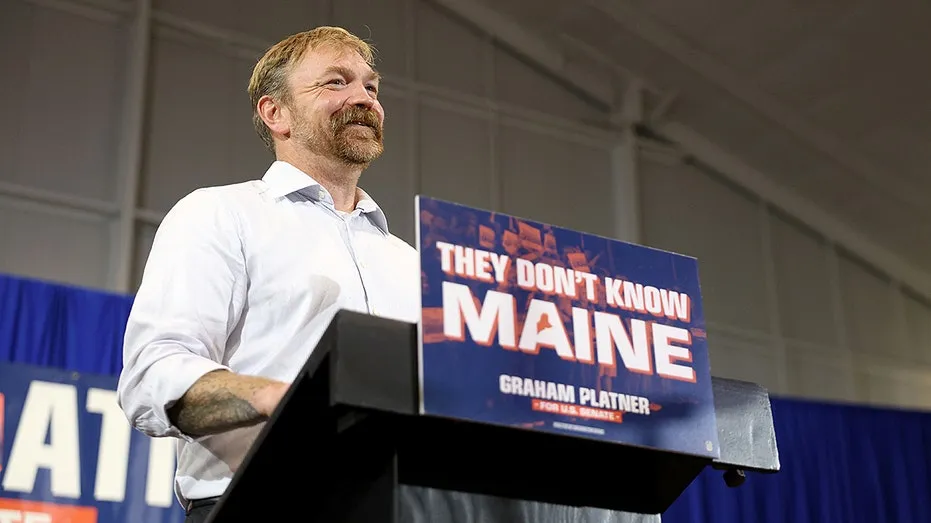
Before his abrupt departure from the Maine Senate race, Democratic hopeful Graham Platner enjoyed a wave of favorable media attention. Outlets painted a picture of a down-to-earth oyster farmer poised to capture crucial male votes and challenge incumbent Republican Susan Collins. However, following multiple scandals, including a denied rape allegation from a former girlfriend, this once-glowing coverage is now under intense scrutiny.
A Portrait of the Outsider
Early profiles, such as The Guardian’s August piece, highlighted Platner’s unconventional background. The article, titled “This Maine oysterman thinks Democrats are doing ‘jack’ about fascism. So he’s running for US Senate,” emphasized that Platner defied the “stereotypical progressive” image. His credentials were listed as a veteran, an oysterman, and a competitive shooter, with weekends reportedly spent at a local gunnery. The narrative positioned him as an outsider capable of resonating with voters disillusioned by establishment Democrats, who, according to Platner, had repeatedly failed to connect with working-class Americans, inadvertently fueling the rise of the MAGA movement.
The Guardian further elaborated on Platner’s perspective, noting his frustration with a Democratic Party he perceived as prioritizing fundraising over constituent support and appeasing rather than confronting MAGA ideology. This portrayal suggested a candidate ready to fight for a different kind of Democratic politics.
Rugged Appeal and Reality TV Vibes
The New Yorker offered a distinct, yet similarly positive, take. A profile praised Platner’s campaign launch video, describing it as a compelling, albeit potentially reality-TV-esque, introduction. The video showcased him in various rugged activities: diving, chopping wood, hauling oyster cages, and performing kettlebell swings, complete with close-ups of his tattoos and moments with his wife. The piece suggested Platner was attracting bipartisan interest, with some self-identified Trump supporters indicating a willingness to vote for him despite his progressive platform.
Lisa Wood Shapiro, writing for The New Yorker, shared a personal anecdote about knowing Platner for years, having picked up oyster orders from his boat and seen him shuck oysters at social events. She described a buzz among friends, anticipating his future success.
Spotlight on “Rugged Guys” and Anti-Establishment Appeal
The Washington Post, in a September report titled “Meet the Rugged Guys of the 2026 Midterms,” included Platner among a group of Democratic hopefuls characterized by their working-class, military-veteran backgrounds. These candidates, the Post noted, were seen as embodying an anti-establishment, populist appeal that could potentially work for Democrats, mirroring the strategy embraced by Republicans during the Trump era. The description focused on their comfort in casual attire like plaid flannel over formal suits.
Ross Barkan’s October profile for GQ, “Marine Turned Oysterman Graham Platner Is Ready to Fight Trump. Will MAGA Men Join Him?” further explored this theme. Barkan positioned Platner as a potential “perfect soldier” in the battle for the Democratic Party’s identity, highlighting his “virile, earthy working man” persona combined with committed leftist beliefs. The article suggested Platner’s “friendly growl” and “deeply alluring” qualities could help Democrats win back male voters alienated by the status quo. Barkan also noted Platner’s belief that former Trump voters could be brought back into the Democratic fold, using the metaphor of a salty-then-sweet oyster to describe the potential appeal.
Navigating Controversy with Media Allies
Even as controversies arose, including a Nazi tattoo and offensive Reddit posts, some media figures initially offered Platner the benefit of the doubt. Michelle Goldberg, a columnist for The New York Times, wrote multiple pieces that seemed to soften the impact of these issues. After meeting Platner in Maine, Goldberg described him as “nothing like the edgelord caricature” she had encountered online. She expressed surprise at the crowd sizes he drew, comparing them to those seen during Barack Obama’s campaigns. Goldberg also found Platner’s explanations for his tattoos largely convincing, despite reports suggesting otherwise.
Goldberg initially praised Platner’s stage presence, noting his magnetic ability to connect with audiences and his promise of a progressive politics that transcended partisan bickering. She observed that his visible anger resonated with a base that felt both terrified and enraged. In a separate piece in April, she recalled the palpable energy at his events, noting a voter who likened him to Obama in 2008 and describing Platner as a “natural on the stump.” Goldberg suggested that Maine Democrats, having seen Platner campaign tirelessly, were prepared to overlook negative stories.
Regret and Shifting Narratives
However, following the sexual assault allegation by his ex-girlfriend, Jenny Racicot—which Platner has consistently denied—Goldberg later stated she “deeply” regretted her initial impressions. This marked a significant shift, as the media landscape began to re-evaluate the earlier, more favorable coverage.
Time Magazine’s May cover story, declaring Platner the “Party Crasher,” further amplified his outsider image. The piece framed his narrative as a potential movie plot: a rough-hewn Marine veteran from a small Maine town emerging as a national star for Democrats seeking to disrupt the system. It suggested his rise was remarkable, even in an anti-establishment political climate, and that his past controversies might actually serve as a path to redemption for voters who, after years of electing polished technocrats, desired candidates with relatable flaws and redemption arcs.
The Time article quoted Platner acknowledging the “leap of faith” required from voters, admitting, “There’s also an element of this… Where I really have to say: ‘Just trust me, bro.'” This candid admission, published on the magazine’s cover, underscored the narrative of a candidate asking for belief despite his complex background, a narrative that has since been overshadowed by the serious allegations that ultimately led to his withdrawal from the Senate race.
Conclusion
The trajectory of Graham Platner’s Senate campaign serves as a stark reminder of how media narratives can shape public perception, particularly in the early stages of a political contest. What began as a story of a compelling outsider, an oyster farmer ready to challenge the political establishment, unraveled as serious allegations came to light. The initial glowing coverage, which focused on his rugged persona and anti-establishment appeal, now stands in sharp contrast to the controversies that ultimately forced his exit, prompting a critical re-examination of how the media portrayed his candidacy.


