




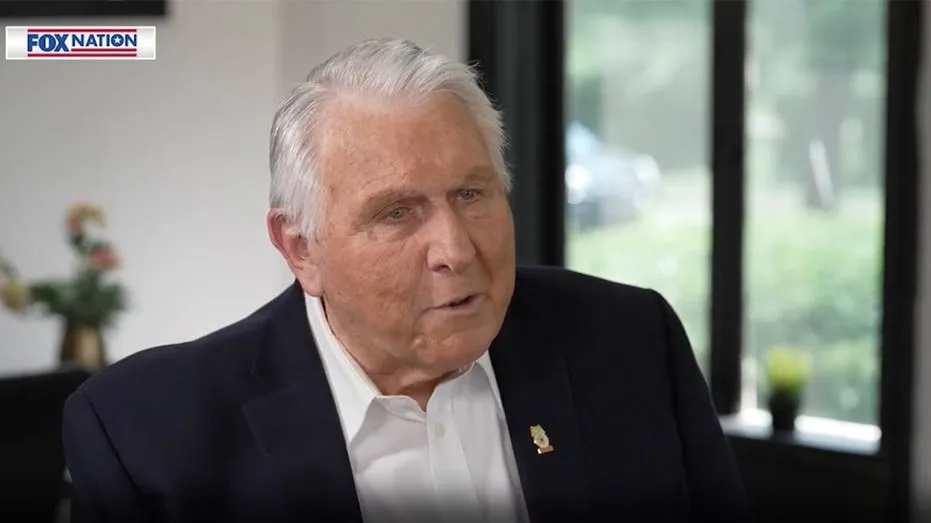
As the 51st anniversary of labor leader Jimmy Hoffa’s baffling disappearance looms, his family is urging FBI Director Kash Patel to keep the investigation active and, crucially, to reveal the identities of those responsible for his presumed murder. The family’s plea comes as they express strong opposition to the idea of the case being shelved, emphasizing a desire for truth and accountability over a closed file.
A Plea for Resolution, Not Retirement
Jimmy Hoffa’s son, James, articulated the family’s sentiment in a direct appeal, stating, “We, and likely many other Americans, would rather have the case solved, not shelved.” He conveyed his astonishment that the government might consider closing such a high-profile, nationally significant case. “This case is of national interest to all, and all the efforts of the FBI should continue to go to solving it,” James Hoffa emphasized. The core desire, he explained, is for the case to be resolved, leading to accountability for the crime and providing the family with much-needed closure.
In a letter addressed to FBI Director Kash Patel, James Hoffa and his sister, Barbara Crancer, conveyed that closing the investigation would be deeply “disturbing.” They implored Patel to declassify and make public all information the bureau possesses regarding their father’s vanishing. “It is important to us, and the country, that the truth about my father’s disappearance [be] told and those involved in his disappearance, even if they are deceased, be exposed,” the letter stated. The siblings formally urged the FBI to maintain the case as open and active, continuing its investigative efforts.
The Lingering Mystery of July 30, 1975
Jimmy Hoffa, a towering figure in the American labor movement, vanished on July 30, 1975. He was en route to a supposed meeting intended to aid his efforts to reclaim the presidency of the International Brotherhood of Teamsters. His last confirmed sighting was in the parking lot of the Machus Red Fox restaurant in Bloomfield Hills, Michigan, around 2:30 p.m. local time. Witnesses reported seeing him enter a vehicle that then drove him away, marking the last time he was seen publicly.
To this day, Hoffa’s remains have never been found, and no individual has been formally charged in connection with his disappearance. The enduring mystery has fueled numerous theories over the decades, many pointing towards involvement by organized crime figures with whom Hoffa had complex and often contentious relationships.
Theories and Allegations
One prominent theory, explored in the documentary series “Riddle, The Search for James R. Hoffa,” suggests Hoffa was met at the restaurant by Detroit mob leader Vito “Billy Jack” Giaclone and associate Anthony “Tony Pal” Palazzolo. According to this account, they transported him to a property owned by mobster Carlo Licata, where he was allegedly killed. The theory further posits that his remains were subsequently disposed of at a sanitation facility in Hamtramck, reportedly controlled by the mob.
Hoffa was reportedly led to believe he would be meeting with Anthony “Tony Jack” Giacalone, Vito’s brother and a powerful Detroit mob figure, along with Anthony “Tony Pro” Provenzano. Provenzano, a New Jersey Teamsters local president, was a known adversary of Hoffa within the union and held a significant position within the Genovese crime family in New York. Hoffa’s reliance on Provenzano’s support, representing 10,000 union members, was critical for his bid to regain the Teamsters’ leadership.
Adding another layer to the speculation, an informant reportedly told the FBI that he witnessed Jimmy Hoffa’s death and identified Vito “Billy Jack” Giacalone as the perpetrator. This information, if documented in FBI records known as “302s,” has not yet been made public.
The FBI’s Stance and the Family’s Frustration
James Hoffa reiterated the family’s frustration with the ongoing lack of resolution, stating, “We and likely many other Americans would rather have the case solved, not shelved. We seek closure, not millions of documents that continue the mystery.”
The FBI, in a statement, affirmed its commitment to “deliver transparency to the American public” and described the release of historic files related to Hoffa’s disappearance as a step in that direction. The bureau has previously released thousands of documents pertaining to the case, but many of these are heavily redacted, obscuring potentially crucial details. James Hoffa suggested that unredacted files could be transferred to the National Archives without necessitating the closure of the active investigation.
“We want the case solved, we don’t want tons of redacted paper sent to us,” James Hoffa stated, expressing a preference for concrete progress over partially revealed information.
The FBI’s Detroit field office is currently overseeing the case, and a spokesperson affirmed that the bureau continues to treat the investigation with seriousness. “The FBI has worked for five decades to investigate every lead and process evidence related to this investigation,” the spokesperson said. “FBI offices across the country have assisted over the years and we have received countless tips and information from the public, which has been of tremendous help to the FBI. We appreciate the public, and more importantly, the Hoffa family’s assistance and support over the years.”
A Call for Accountability
Despite the FBI’s assurances and the decades of investigative effort, James Hoffa concluded with a firm call to action: “It is time for the FBI to solve the case and to hold people accountable and name names, even if they are deceased, to solve this national mystery.” The family’s persistent advocacy underscores a deep-seated need for answers and justice in one of America’s most enduring cold cases.
The documentary series “Riddle, The Search for James R. Hoffa” is currently available for streaming.


