




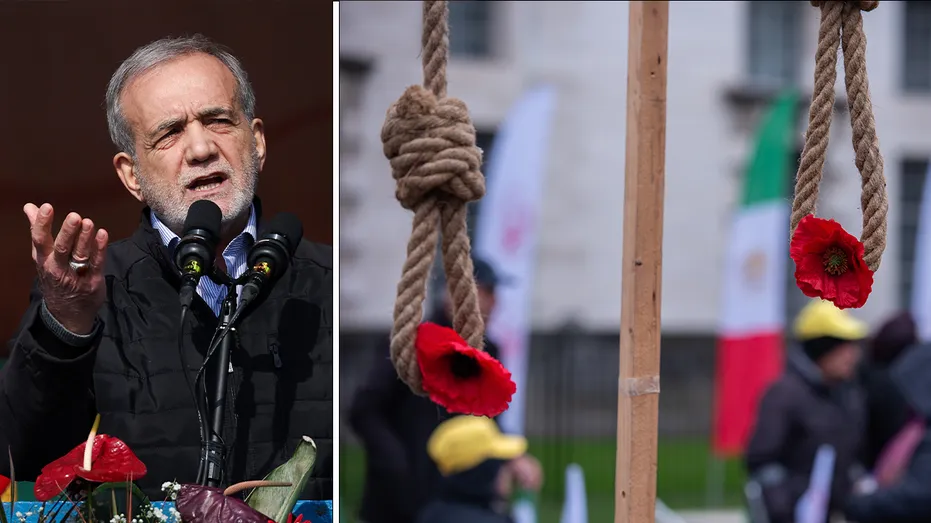
In a stark display of desperation, over a thousand inmates at Iran’s Ghezel Hesar Prison have embarked on a hunger strike now entering its third week, with some resorting to sewing their lips shut to protest the country’s escalating execution rate. The demonstration, taking place at the U.S.-sanctioned facility located in Karaj, near Tehran, underscores mounting international scrutiny of the Islamic Republic’s heavy reliance on capital punishment, particularly for drug-related offenses.
Protest Ignited by Executions and Solitary Confinement
The hunger strike, which commenced on July 13, was reportedly triggered by the transfer of six inmates to solitary confinement, a move often preceding an execution. Human rights organizations, including the Human Rights Activists News Agency (HRANA), have been closely monitoring the situation. Reports indicate that the striking prisoners, many of whom are on death row and convicted of drug offenses, are voicing their dissent with chants of “No to Execution.”
The extreme measure of sewing lips shut has gained particular attention. One account, citing a video, describes an inmate explaining his decision to seal his lips due to the lack of response from prison officials after six days of the strike. The video purportedly shows another prisoner using a needle and thread to perform the act on the speaker’s lips, a graphic illustration of their resolve.
Deteriorating Conditions and Calls for International Action
The National Council of Resistance of Iran (NCRI), an exiled opposition group, issued a statement on July 27 detailing the “deteriorating physical condition” of prisoners in Unit 2 of Ghezel Hesar. The NCRI reported that despite the prolonged protest and the prisoners’ urgent need for medical care, prison authorities had offered no response or assistance. “Although 15 days have passed since the start of this hunger strike, the henchmen of the regime’s judiciary have given no response to the striking prisoners,” the NCRI stated, emphasizing the lack of medical attention provided by prison guards.
The striking inmates have appealed to the public, human rights organizations, and international bodies to intervene and halt the ongoing executions. This protest is not an isolated incident; it follows a similar large-scale demonstration at the same prison in October 2025. During that six-day hunger strike, over 1,500 inmates participated. That protest concluded after officials visited the facility and pledged to temporarily suspend executions and review cases. However, activists report that these promises were ultimately unfulfilled.
Ghezel Hesar Prison: A History of Human Rights Concerns
Ghezel Hesar Prison has previously drawn significant international condemnation. In 2024, the U.S. State Department designated and sanctioned the facility for “gross human rights violations and cruel, inhuman and degrading treatment of prisoners.” At the time of the designation, then-Secretary of State Antony Blinken cited “multiple severe beatings of political prisoners engaged in a peaceful hunger strike to protest the increased wave of executions being carried out at the facility.”
Iran’s Execution Rate Amidst Global Concerns
The events at Ghezel Hesar unfold against a backdrop of alarmingly high execution rates in Iran. According to Amnesty International, the Islamic Republic executed at least 2,159 people in 2025 alone. This figure contributed significantly to Amnesty International’s recorded total of at least 2,707 executions across 17 countries that year, marking the highest total the organization has documented since 1981. It is important to note that this total excludes China, where official execution data is considered a state secret, though Amnesty believes thousands of executions are carried out annually.
The ongoing hunger strike at Ghezel Hesar Prison highlights the profound human rights challenges within Iran’s penal system and the desperate measures individuals may take when facing what they perceive as systemic injustice and a lack of recourse.


