




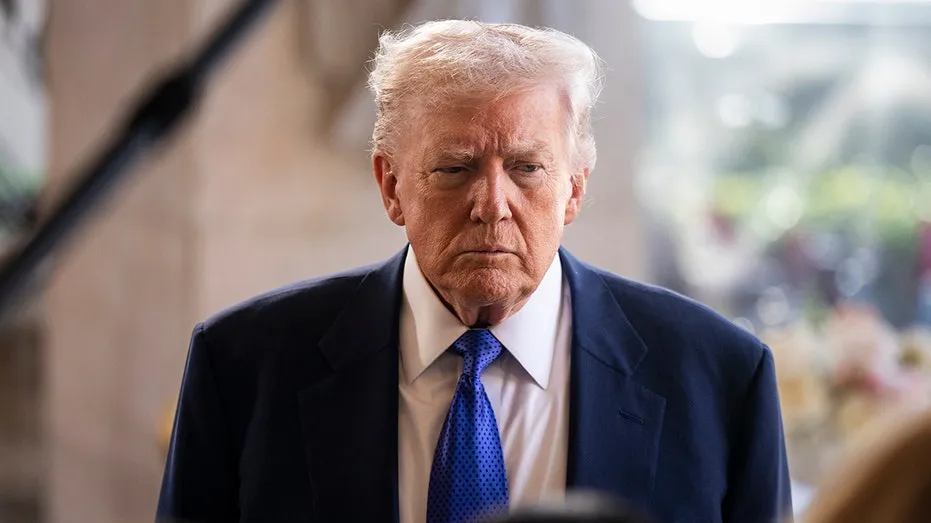
Amidst a delicate ceasefire, Iran has formally requested high-level discussions with the United States, according to an announcement made Monday. U.S. officials are preparing to travel to Doha, Qatar, for these crucial talks. President Donald Trump is reportedly keen for Tehran to agree to a deal, while simultaneously issuing a stern warning that any resurgence of aggression will be met with a forceful response.
Diplomatic Overtures Amidst Tensions
White House Press Secretary Karoline Leavitt stated that the U.S. is upholding its side of the ceasefire agreement. “Violence will be met with violence,” Leavitt declared, emphasizing the administration’s stance. She pointed to recent attacks on commercial vessels, which prompted a direct response from the U.S. military under the President’s direction, and indicated that such responses would continue if necessary. However, she expressed hope that further military action would be avoided, noting the President’s desire for the peace process to succeed. Leavitt advised that Iran would be best served by signing a favorable deal with the United States, as the President has demonstrated a clear willingness to employ military power.
Key Envoys to Lead Discussions in Doha
The impending meetings in Doha will involve special envoys Steve Witkoff and Jared Kushner. These discussions are part of an ongoing dialogue between the U.S. and Iran concerning a memorandum of understanding (MOU). Leavitt suggested that if the MOU proceeds as anticipated, American consumers could see a continued decrease in gas prices. Conversely, she warned that any aggressive actions by Iran would further isolate the nation on the international stage, potentially leading it to become “the pariah of the Middle East.” She added that such behavior would alienate Iran from its regional partners in the Gulf and the Arab world, reiterating that the United States possesses the world’s most powerful military and that the President reserves the right to utilize it.
Background of Recent Military Actions
This diplomatic development follows a period of heightened military activity. U.S. Central Command (CENTCOM) conducted airstrikes on June 26 targeting Iranian positions, including areas on Qeshm Island. This action was a direct response to a vessel being struck in the strategic Strait of Hormuz. In retaliation, Iran’s Islamic Revolutionary Guard Corps (IRGC) reportedly targeted U.S. military installations located in Kuwait and Bahrain.
Potential Economic Implications
The successful negotiation and implementation of the MOU could have significant positive effects on the global energy market. Analysts suggest that a de-escalation of tensions and a stable agreement could lead to increased oil production and a reduction in prices at the pump for consumers. This economic benefit is seen as a key incentive for both sides to reach a resolution. The U.S. administration has consistently linked the stability of the region and its economic implications to Iran’s conduct and its willingness to engage constructively in diplomatic processes.
The Stakes for Regional Stability
The ongoing dialogue and the underlying tensions highlight the precarious geopolitical situation in the Middle East. The Strait of Hormuz remains a critical chokepoint for global oil transport, making any disruption a matter of international concern. The U.S. has consistently advocated for freedom of navigation and the unimpeded flow of commerce through this vital waterway. Iran’s actions, particularly those impacting commercial shipping, have drawn sharp criticism and led to international sanctions. The current diplomatic push, therefore, is not only about bilateral relations but also about ensuring broader regional security and economic stability.
Conclusion: A Path Forward
The request for talks signals a potential opening for de-escalation, though the underlying issues remain complex. The U.S. position, as articulated by Press Secretary Leavitt, is clear: a commitment to peace and a stable agreement, coupled with an unwavering resolve to respond decisively to any acts of aggression. The coming days and weeks will be critical in determining whether this diplomatic channel can successfully navigate the deep-seated mistrust and lead to a lasting resolution, benefiting not only the involved nations but also global peace and economic well-being.


