




Jeremiah Smith & Alabama Recruiting: A Closer Look

College football recruiting, once a specialized interest for dedicated fans, has exploded into the mainstream. Gone are the days of poring over magazines and obscure message boards; today, social media bombards enthusiasts with a constant stream of recruiting news and analysis. This increased accessibility means more fans feel empowered to offer their opinions, but it also highlights that many still grapple with the intricate realities of how elite talent is pursued and secured.
Understanding Elite Recruiting Dynamics
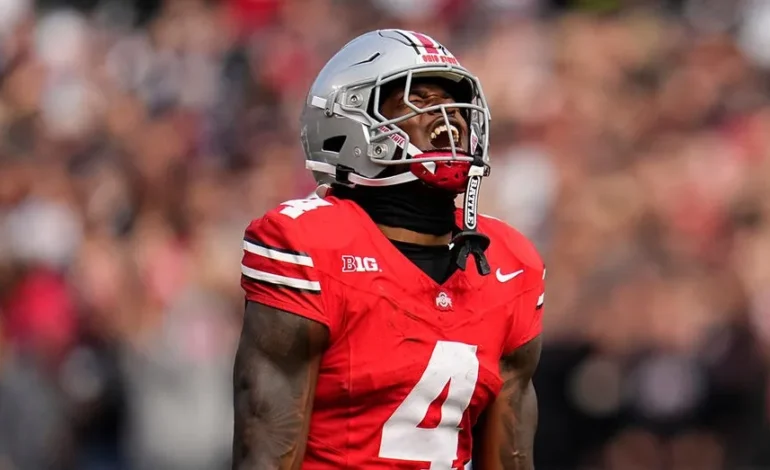
A recent statement by highly-touted Ohio State wide receiver Jeremiah Smith has sparked considerable debate. Smith, a former five-star prospect, shared at Big Ten Media Days that Alabama was his childhood dream school but claimed he wasn’t recruited by the Crimson Tide. This assertion has led many to question Alabama’s recruiting strategy, but a deeper examination suggests a misunderstanding of the process itself.
To believe that Alabama, a perennial powerhouse, would overlook a prospect of Smith’s caliber is to fundamentally misinterpret how elite college football recruiting operates. Smith wasn’t merely a highly-rated player; he was the consensus number one prospect in the 2024 class. His recruitment journey began exceptionally early, with Power 4 conference schools extending offers in February 2021, even before he started his freshman year of high school. This wasn’t a case of a lesser-known player being overlooked; Smith was a marquee talent from South Florida, a region known for producing top-tier football talent.
Alabama’s Engagement with Jeremiah Smith
Records indicate that Smith received an offer from Nick Saban’s Alabama program in February 2022, a mere month after an unofficial visit to the campus. This timeline directly contradicts the notion that Alabama was not actively recruiting him. The Crimson Tide’s 2024 recruiting class was ranked second nationally, demonstrating their continued success in securing top talent, including two four-star prospects from Florida. This suggests that Alabama did not abandon recruiting in Smith’s home state during that cycle.
Several theories have emerged to explain Smith’s statement. One posits that Saban, perhaps anticipating his departure after the 2023 season, may have scaled back recruiting efforts. However, this doesn’t align with Alabama’s strong 2024 class performance. Another possibility is that Smith himself is intentionally stirring the pot, a tactic he has reportedly employed with other fanbases before. Given the evidence, it seems more probable that Smith is not presenting the complete picture.
The Nuances of ‘Wanting’ a Player
It is highly probable that Alabama and Nick Saban did indeed pursue Jeremiah Smith. The question then becomes the intensity and nature of that pursuit. While every top program likely offered Smith, the level of effort can vary significantly. Recruiting a five-star prospect often involves extensive, persistent engagement, sometimes described as “begging” them to join the program.
It’s conceivable that while Alabama offered Smith, they did not pursue him with the same fervor as some of his other finalists. This doesn’t imply any wrongdoing by Ohio State or other programs; the landscape of modern recruiting makes illicit activities exceedingly difficult to conceal. It’s more likely that the Buckeyes, or other top contenders, simply demonstrated a greater desire or commitment to securing Smith’s commitment.
Furthermore, Alabama already had a commitment from another highly-rated five-star wide receiver, Ryan Williams, in the 2024 class. It’s plausible that the Crimson Tide were hesitant to invest maximum resources into securing a second elite wide receiver, especially given the potential financial implications and the established presence of Williams. This strategic decision might align with Saban’s historical approach to roster building, though it’s not impossible for strategies to evolve.
Perception vs. Reality in Recruiting
Ultimately, Alabama likely did recruit Jeremiah Smith, as did nearly every major program with the capacity to do so. The discrepancy lies in the *level* of recruitment, which may not have met Smith’s expectations or desires. While Smith is entitled to his preferences, his assertion that Alabama “flat out wasn’t pursuing him” appears factually inaccurate.
The world of college football recruiting is heavily influenced by the perspectives of 17-year-old athletes. Their perceptions often become their reality, regardless of the objective facts. This dynamic underscores the demanding nature of high-level recruiting, where managing the expectations and desires of elite prospects is as crucial as on-field performance. The Jeremiah Smith situation serves as a compelling, albeit complex, illustration of these ongoing challenges.
The intense competition for top talent means that programs must not only identify elite players but also cultivate relationships and demonstrate unwavering commitment. When a prospect like Smith feels a particular program didn’t recruit him to the degree he desired, even if they extended an offer and engaged in some level of pursuit, it can lead to statements that, while perhaps not entirely factual, reflect his personal experience and perception of the recruitment process.