




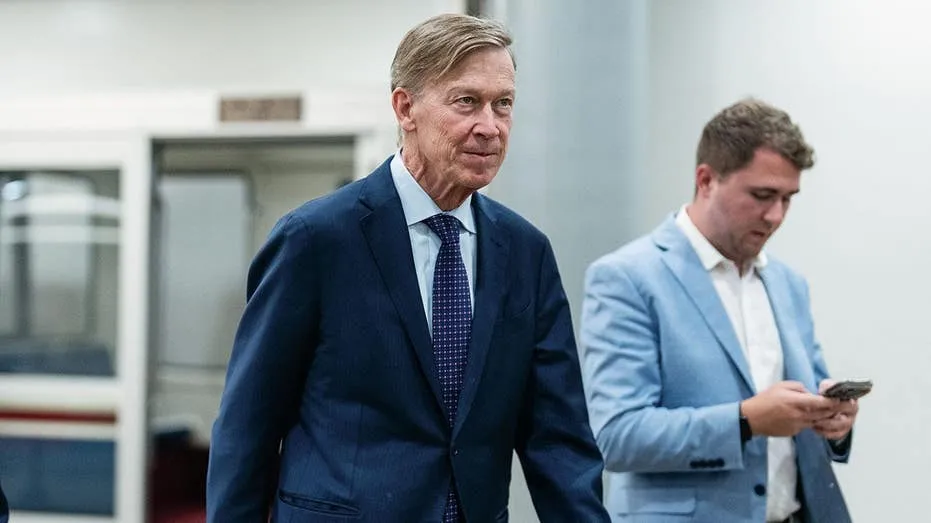
In a race that highlighted the ongoing tension within the Democratic Party, veteran Colorado Senator John Hickenlooper has successfully fended off a challenge from a progressive state lawmaker, securing his party’s nomination for a second term. The contest represented a notable, albeit temporary, pause in the accelerating shift toward more progressive ideals within the broader Democratic landscape.
Hickenlooper’s Victory Amidst Shifting Party Tides
Senator John Hickenlooper, a familiar face in Colorado politics for over two decades, navigated a spirited primary against State Senator Julie Gonzales. Gonzales had positioned herself as the progressive alternative, arguing for a more assertive stance against the policies of former President Donald Trump and criticizing Hickenlooper’s voting record, particularly his support for some of Trump’s nominees. Hickenlooper, who has announced that this Senate term will be his last, emphasized his experience and pragmatic approach.
Gonzales, in her campaign messaging, directly addressed Hickenlooper’s long tenure, stating, “John Hickenlooper has been in office for over 20 years. I know that we’re not fooled by his so-called ‘commonsense approach,’ cause there is no sense in voting for Donald Trump’s nominees.” Despite her energetic campaign, Gonzales’s defeat marked a setback for the progressive movement that has gained significant traction during the current midterm election cycle, often pitting newer, change-oriented candidates against established party figures.
A Look at the Candidates and Their Political Journeys
At 74, John Hickenlooper brings a wealth of experience to the Senate. His political career in Colorado includes two terms as the Mayor of Denver and two terms as the Governor of Colorado, followed by an unsuccessful presidential bid. He has long been a prominent figure in the state’s political arena. In contrast, 43-year-old Julie Gonzales represents the newer wave of Democratic politicians, advocating for bolder policy shifts and a more confrontational approach to political opposition.
The primary contest between Hickenlooper and Gonzales occurred shortly after a significant progressive victory in New York, where three candidates endorsed by New York City Mayor Zohran Mamdani secured their Democratic nominations. Among these was Darializa Avila Chevalier, a community organizer and self-described socialist, who unseated five-term incumbent Representative Adriano Espaillat in New York’s 13th Congressional District.
Intra-Party Battles Continue in Colorado
The Hickenlooper-Gonzales race was not the only instance of internal Democratic conflict in Colorado. Another progressive challenger, Melat Kiros, a socialist, is currently competing against long-serving Representative Diana DeGette in Colorado’s 1st Congressional District. Kiros has garnered support from notable figures, including Senator Bernie Sanders of Vermont.
Looking ahead to the general election, Senator Hickenlooper is set to face State Senator Mark Baisley. Baisley, who ran unopposed in the Republican primary, had initially entered the race for governor to succeed term-limited Governor Jared Polis before shifting his focus to the Senate contest.
The Broader Context: Progressive Momentum and Moderate Resistance
The Democratic Party is currently navigating a complex internal dynamic, balancing the energy and demands of its increasingly progressive base with the strategic considerations of centrist voters and the need to win general elections. While progressive candidates have achieved notable successes in various primaries, races like Hickenlooper’s demonstrate that established moderate figures can still command significant support, particularly when facing well-organized challengers.
This internal debate plays out against the backdrop of upcoming general elections, where the party aims to maintain and expand its control in Congress. The outcomes of these intra-party contests often signal broader trends and ideological fault lines within the party, influencing campaign strategies and policy platforms moving forward. The ability of Democrats to unify behind their nominees, regardless of their ideological leaning, will be crucial in the months ahead.
Looking Towards November
Senator Hickenlooper’s primary victory sets the stage for a general election battle against Republican Mark Baisley. The race will likely focus on the contrasting political philosophies and policy priorities of the two candidates, reflecting the larger national political discourse. As the election cycle progresses, Colorado’s Senate race will be closely watched as an indicator of the state’s political leanings and the effectiveness of different campaign strategies within the Democratic Party.
The outcome of this primary serves as a reminder that while the progressive wing of the Democratic Party continues to grow in influence, the path forward involves navigating diverse viewpoints and established political figures. The challenge for the party remains to harness the enthusiasm of its progressive base while appealing to a broader electorate, a balancing act that will define its electoral prospects in the coming elections.


