




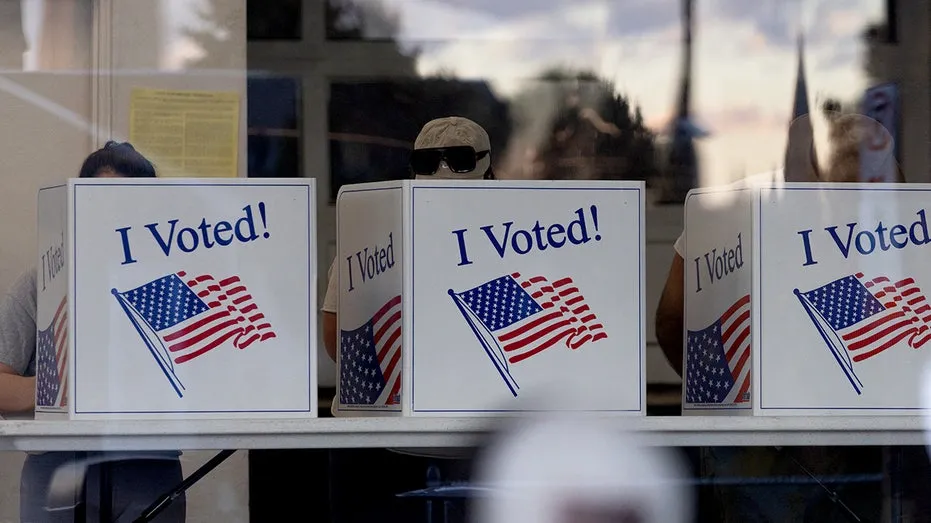
A federal judge has issued a nationwide injunction, blocking the U.S. Postal Service from enforcing an executive order by President Donald Trump that imposed new conditions on the handling of mail-in ballots. U.S. District Judge Emmet Sullivan issued the ruling on Wednesday, effectively halting the order’s implementation across the country.
The Executive Order’s Requirements
President Trump’s directive stipulated that the Postal Service would only transmit ballots for states if those states first provided a comprehensive list of their mail-in voters, among other stipulations. This order was part of a broader effort by the administration to address concerns about election integrity and potential voter fraud.
Judge Sullivan’s Reasoning
In his written opinion, Judge Sullivan found that the executive order likely violated a previous settlement agreement. This agreement, reached in an earlier 2020 lawsuit between the Postal Service and the NAACP, placed the courts in an oversight role concerning the postal service’s actions related to the “monitoring and timely delivery of Election Mail.” Sullivan stated that the Postal Service could not document practices for prioritizing election mail if its policies dictated it would refuse non-compliant mailings or refuse to mail ballots to voters in states that failed to certify voter lists.
“The Proposed Rule violates paragraph 2 of the Agreement because the Postal Service cannot post documents reflecting ‘practices and policies for prioritizing the monitoring and timely delivery of Election Mail’ if its policies provide that it will not accept ‘noncompliant mailing’ and therefore will not deliver mail-in or absentee ballots to some voters, and if it will not mail ballots to any voters in a state where the state ‘declines or fails to certify a list,’” Sullivan wrote.
Nationwide Impact of the Ruling
This federal court order extends the block on the Trump administration’s directive nationwide. Previously, nearly 25 states had successfully challenged the order in court, securing injunctions that prevented its enforcement within their respective states. Judge Sullivan’s ruling consolidates these efforts, applying the prohibition universally.
Context of Election-Related Legal Battles
The decision arrives shortly after another significant ruling where an Obama-appointed judge blocked a separate Trump administration effort aimed at preventing noncitizens from registering to vote or participating in federal elections. That lawsuit concerned Executive Order 14248, signed in March, which sought to establish a federal voter registration list and introduced stricter rules for mail-in voting eligibility as part of the administration’s anti-voter fraud initiatives.
Administration’s Stance on Election Integrity
A White House spokesperson previously stated the administration’s commitment to election integrity. “President Trump is committed to ensuring that Americans have full confidence in the administration of our elections. The President’s executive order lawfully protects our elections, and we are confident that we will ultimately prevail in its implementation,” the spokesperson had said.
The Importance of Mail-In Voting Procedures
Mail-in voting has become a significant aspect of the American electoral process, particularly in recent years. Ensuring the timely and secure delivery of ballots is crucial for facilitating voter access and maintaining public trust in election outcomes. The legal challenges surrounding these procedures highlight the complex intersection of election administration, federal policy, and judicial oversight.
Future Implications
Judge Sullivan’s nationwide injunction suggests that the administration’s approach to regulating mail-in ballot procedures through executive orders may face significant legal hurdles. The ruling underscores the judiciary’s role in arbitrating disputes over election processes and ensuring compliance with existing legal agreements and settlement terms. The case may lead to further legal challenges or policy adjustments concerning how mail-in ballots are handled and regulated in future elections.
Conclusion
The federal judge’s decision to block President Trump’s executive order on mail-in ballots nationwide represents a significant development in the ongoing legal and political discourse surrounding election procedures. By citing violations of a prior settlement agreement, the ruling emphasizes the importance of judicial oversight and adherence to established legal frameworks in matters concerning election mail delivery.


