




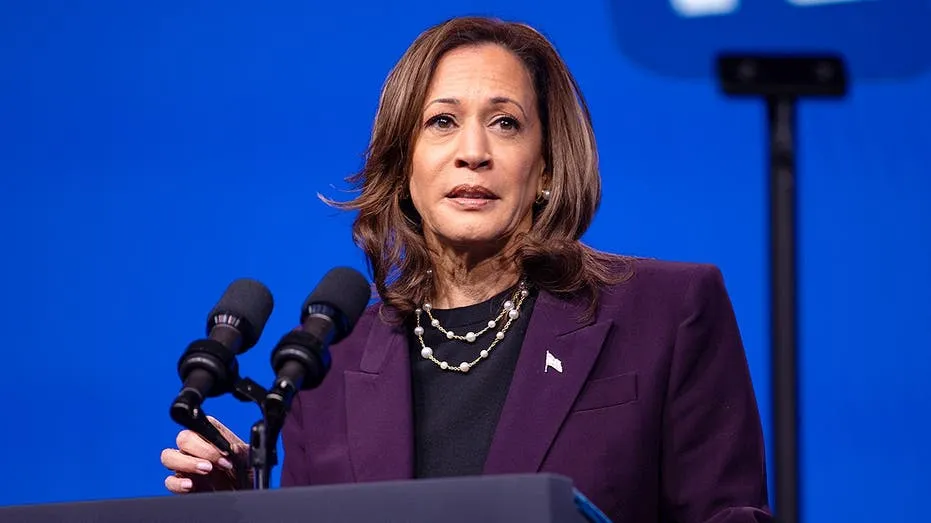
Former Vice President Kamala Harris has signaled a significant shift in her policy stances, publicly endorsing major structural changes to the U.S. political system, including expanding the Supreme Court and abolishing the Electoral College. These endorsements, made at the National Urban League Conference in Nashville, Tennessee, come as Harris is widely seen as a potential contender for the Democratic presidential nomination in 2028.
Shifting Policy Landscape
During her remarks, Harris stated, “We must allow for a real conversation about revisiting certain things.” She specifically called for a re-evaluation of the Electoral College, acknowledging that her position might be “controversial.” This marks a notable departure from her 2024 presidential campaign, where such proposals were not central to her platform. The former Vice President, who lost both the popular vote and the Electoral College to Donald Trump in the 2024 election, expressed a desire to explore alternatives to the current system.
Beyond the Electoral College, Harris also voiced support for expanding the Supreme Court. “We need to revisit the point of expanding the court to 13 justices like we have 13 district courts,” she proposed. While Harris has previously supported term limits for Supreme Court justices, the idea of increasing the number of justices is a new addition to her public policy agenda.
Broader Progressive Agenda
The former Vice President’s evolving platform extends to other areas as well. She suggested that the United States should reconsider statehood for Puerto Rico, broadening her previous advocacy which had focused primarily on statehood for Washington, D.C. These policy shifts align with a broader trend of progressive Democrats advocating for significant institutional reforms.
Presidential Ambitions and Current Focus
Despite these significant policy pronouncements, Harris maintained that she has not yet made a definitive decision regarding a 2028 presidential bid. “I have not made a decision,” she told the conference attendees. “I am fully, sincerely, focused on these midterms.” This statement comes amidst growing speculation from Democratic strategists and party insiders who view her as a leading candidate for the 2028 nomination.
Harris has previously kept the door open to another presidential run. In April, when asked by Reverend Al Sharpton at the National Action Network’s 35th Anniversary Convention about her future presidential aspirations, she responded, “I might. I might. I’m thinking about it… I’ll keep you posted.”
Courting the Progressive Wing
These recent policy endorsements and public statements appear to be part of a broader strategy to engage with and solidify support from the progressive wing of the Democratic Party. Reports indicate that Harris has been actively reaching out to influential progressive figures. This outreach includes a phone call to New York City Mayor Zohran Mamdani and a private meeting with Representative Alexandria Ocasio-Cortez, D-N.Y., during a summit focused on Black women’s empowerment in Chicago. These engagements suggest a deliberate effort to build coalitions and garner support from key voices within the party’s left flank as she potentially gears up for a future campaign.
Context of Political Reform Debates
The discussions around reforming the Supreme Court and the Electoral College are not new within progressive circles. Many argue that the current structures are undemocratic or no longer serve the nation’s best interests. Proponents of expanding the Supreme Court often cite the need to balance the court’s ideological composition, especially after periods of significant appointments. Similarly, arguments against the Electoral College frequently highlight instances where the popular vote winner did not win the presidency, leading to questions about the legitimacy and fairness of election outcomes. These debates reflect ongoing tensions about representation, fairness, and the foundational principles of American democracy.
Conclusion
Kamala Harris’s recent embrace of significant structural reforms positions her as a potentially transformative figure within the Democratic Party, should she decide to run for president in 2028. Her willingness to publicly advocate for changes to the Supreme Court and the Electoral College signals a potential new direction for the party and reflects the ongoing national conversation about the future of American governance.


