




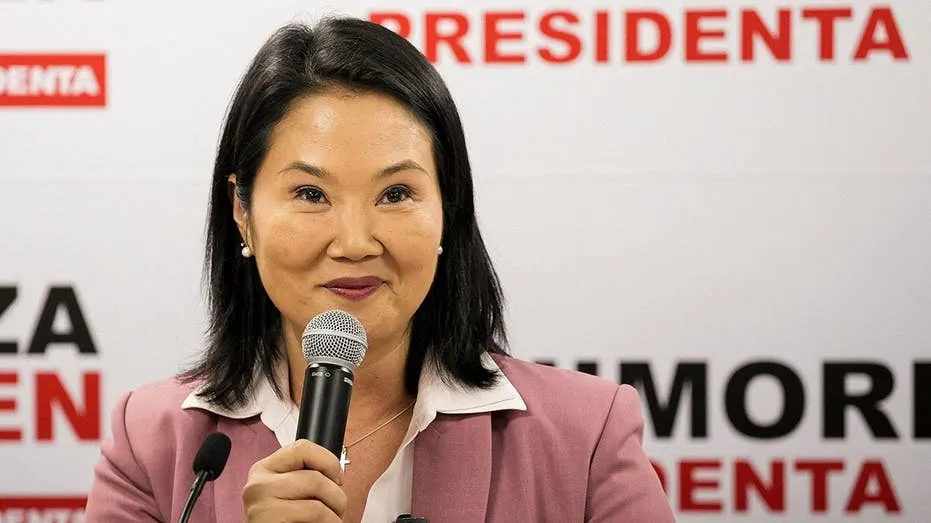
Keiko Fujimori, a prominent conservative figure and the daughter of a former president, has been officially declared the winner of Peru’s presidential runoff election. The 51-year-old politician secured victory on Friday, marking her ascent to the presidency later this month. This win represents her fourth attempt at the nation’s highest office, coming at a time of significant political flux, as she will be Peru’s ninth president in the span of just ten years.
Following the close contest, Fujimori expressed her gratitude to her supporters. In a statement shared on X, she conveyed, “I receive with profound gratitude the trust that millions of Peruvians have placed in me. A new stage begins. We assume it with responsibility, humility, and a deep sense of duty.” She further elaborated on the transition process, stating, “Each day of this transition process is an opportunity to listen, engage in dialogue, and arrive prepared at the start of the new government. Through these accounts, we will share the progress of this stage and the work we have been carrying out. I invite you to join us.”
Close Election Results Certified
Peru’s national election authority formally certified the results on Friday, confirming Fujimori’s narrow victory. Official tallies show Fujimori garnered 9,223,000 votes, equating to 50.14% of the total ballots cast. Her opponent, nationalist congressman Roberto Sánchez, received over 9,173,000 votes, representing 49.87% of the vote. This intense competition followed an earlier round in April where Fujimori successfully navigated a field of 33 other candidates to reach the runoff.
Tackling Crime and a Divisive Legacy
Fujimori’s path to the presidency was significantly shaped by voter concerns over escalating crime rates, particularly the pervasive issue of extortion by organized criminal syndicates. Her campaign platform included a strong promise to address this with an “iron fist” approach. The new president-elect inherits a complex political landscape, partly defined by the legacy of her father, Alberto Fujimori. The former president, who led Peru in the 1990s, is credited with dismantling the Shining Path extremist group but also faced criticism for an authoritarian shift in governance. He was later convicted of human rights abuses and corruption, leaving a deeply divided public opinion regarding his time in office.
International Recognition and Future Cooperation
The United States Department of State extended congratulations to Keiko Fujimori on Tuesday, acknowledging her status as Peru’s president-elect. A statement from the administration indicated a desire to “deepen collaboration” with the incoming Fujimori government. The focus of this future partnership is expected to be on advancing security cooperation and bolstering bilateral ties related to investment and trade within the region.
The transition period is crucial for Peru, a nation that has experienced considerable political turnover in recent years. Fujimori’s victory marks a significant moment, and her administration’s approach to domestic challenges, particularly crime, alongside its international relations, will be closely watched. The close nature of the election underscores the polarized sentiments among the electorate, highlighting the need for broad dialogue and consensus-building as the new government prepares to take the helm.


