




King Harald V of Norway Dies Peacefully at 89; Crown Prince Haakon Ascends Throne
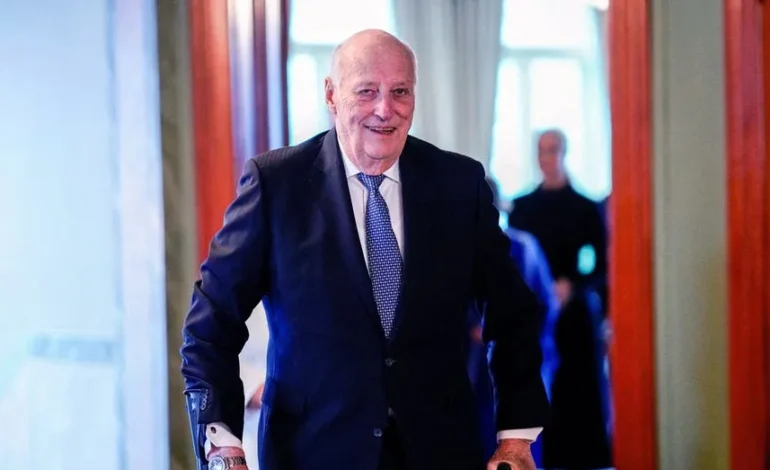

Norway’s beloved monarch, King Harald V, passed away peacefully on Friday, August 28, at the age of 89. The Royal House of Norway confirmed the news, stating that the King died at Oslo University Hospital Rikshospitalet at 6:35 AM. His passing marks the end of a significant era for the Scandinavian nation, which he led for over three decades.
A Long Reign Comes to a Close
Born on February 21, 1937, Harald V ascended to the throne in 1991 following the death of his father, King Olav V. Throughout his reign, King Harald was a steadfast and popular figure, embodying a sense of continuity and tradition while also embracing modernity. He was known for his down-to-earth demeanor and his deep commitment to his country and its people. His public appearances, often characterized by warmth and a ready smile, endeared him to many across Norway and beyond.
The King’s health had been a subject of public attention in recent years, with several hospitalizations and periods of leave. However, the Royal House consistently assured the public of his dedication to his duties whenever his health permitted. His final public engagement was relatively recent, demonstrating his enduring spirit and commitment to the Norwegian monarchy.
Crown Prince Haakon Takes the Helm
With King Harald’s death, his son, Crown Prince Haakon, becomes the new King of Norway. Crown Prince Haakon, 53, has long been groomed for the throne and is well-prepared to lead the nation. He has actively participated in royal duties alongside his father for many years, gaining extensive experience in state affairs, diplomacy, and representing the Kingdom both domestically and internationally.
Crown Prince Haakon is married to Crown Princess Mette-Marit, and the couple has two children, Princess Ingrid Alexandra and Prince Sverre Magnus. Princess Ingrid Alexandra, as the elder of the two, is now the heir apparent to the throne, continuing the line of succession.
The Role of the Norwegian Monarchy
The Norwegian monarchy, while constitutional, plays a crucial symbolic and unifying role in the country. The King serves as the head of state, a figurehead who represents Norway on the world stage and acts as a symbol of national identity. While political power rests with the elected government and Parliament (Stortinget), the monarch’s influence is felt through their ceremonial duties, their role in national celebrations and commemorations, and their ability to foster a sense of unity and national pride.
King Harald V navigated this role with considerable skill, balancing the traditions of the monarchy with the evolving democratic values of modern Norway. He was particularly noted for his advocacy for environmental causes and his support for sports, reflecting his personal passions and his understanding of contemporary issues important to the Norwegian populace.
Public Reaction and Mourning
News of the King’s passing has been met with widespread sadness across Norway. The Royal House’s announcement was brief and somber, reflecting the gravity of the moment. Flags are expected to fly at half-mast, and official mourning periods will be observed. The Norwegian government has not yet released details regarding the state funeral, but it is anticipated to be a significant national event, attended by dignitaries from around the world, honoring the life and service of King Harald V.
Tributes have begun to pour in from political leaders, international figures, and ordinary citizens, all expressing their respect and gratitude for King Harald’s long service. His reign saw Norway through periods of economic prosperity, social change, and international engagement, and he remained a constant, reassuring presence throughout these transformations.
Looking Ahead
The transition to King Haakon VII marks a new chapter for the Norwegian monarchy. Crown Prince Haakon has consistently demonstrated a keen understanding of his future responsibilities and a commitment to upholding the values and traditions of the Crown. His ascension is expected to be smooth, building upon the strong foundation laid by his father.
As Norway mourns the loss of its King, the nation also looks forward with confidence to the reign of its new monarch. King Haakon VII inherits a kingdom that is stable, prosperous, and deeply connected to its royal heritage, a testament in no small part to the legacy of his father, King Harald V.